
Vandaag of morgen in huis

Kwaliteit gegarandeerd

Welkomstaanbiedingen ontgrendelen: GRATIS bezorging | Tot 80% korting | Gratis 30 dagen JoyPlus-proefperiode
Download de app
Need a quick, warm meal? Instant noodles are often a lifesaver. But the selection is overwhelming, and not every package delivers on its promise. Who hasn't bought a pack based on a beautiful photo, only to be disappointed by a watery soup?
To prevent your pantry from filling up with noodles you'd rather not eat, it's helpful to know what to look for. We'll cover the most common pitfalls and give you practical guidelines to make the right choice.
Before you make a choice, it's good to recognise these two common deceptions:
To make a good choice, focus on three concrete specifications. These determine the texture, flavour, and ease of use.
Not all noodles are created equal. The base ingredient and production method determine the "bite" and how well they absorb the broth.
The contents of the sachets determine the complexity of the flavour. Look beyond just the name on the package.
How and when you want to eat the noodles determines the ideal packaging.
Based on clear product features, we have selected a few options that suit different preferences and situations.
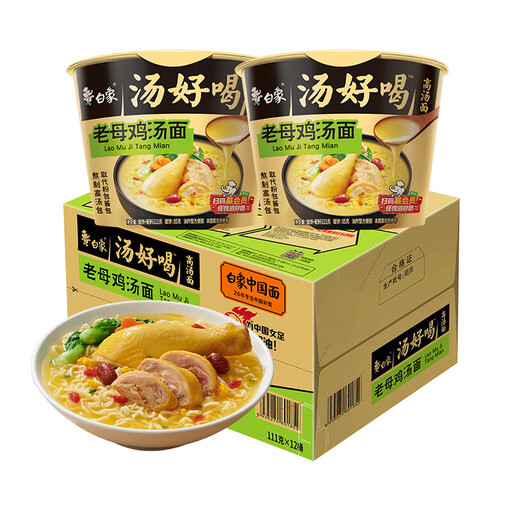
Why This Fits Their Persona: A reliable, affordable supply for quick meals between study sessions. The classic chicken flavour is familiar and easy to customise with an egg or some vegetables.
No vague promises. This is a noodle soup with a clear, classic chicken flavour. The value pack contains 12 individually wrapped portions, so no impractical bulk.
Excellent value for money. With one purchase, your pantry is immediately stocked for multiple meals.
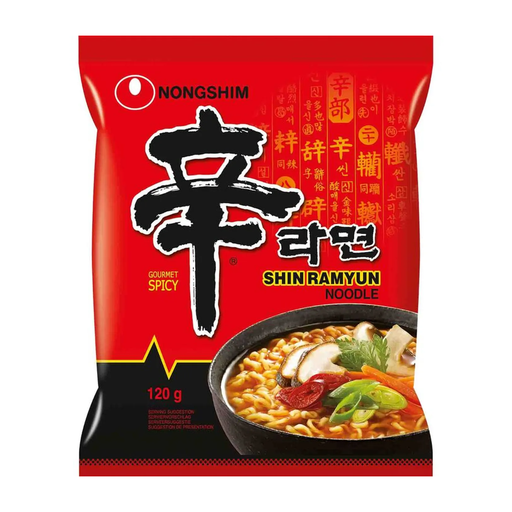
Why This Fits Their Persona: For those seeking an authentic and genuinely spicy Korean noodle experience. This is a global favourite among lovers of spicy food.
Shin Ramyun's reputation is clear: "spicy" here means truly spicy, with a deep, umami-rich flavour. You know exactly what you're getting.
Rich, complex broth and thick, springy noodles that don't turn mushy. A satisfying and flavourful meal.
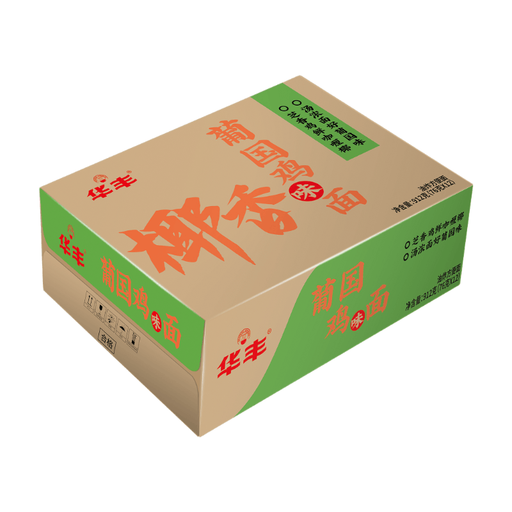
Why This Fits Their Persona: Maximum convenience for a quick, warm lunch at the office, without sacrificing an interesting taste. This cup noodle offers a more refined flavour than standard varieties.
The flavour is specifically described as "creamy broth... with coconut, turmeric," which gives a much clearer picture than a generic "chicken" flavour. The cup packaging is designed for immediate use.
Ready in 5 minutes with only hot water. The all-in-one cup contains noodles, powder, oil, and vegetables. The flavour is surprisingly creamy and aromatic.
We've curated a complete, up-to-date list of Asian noodles that meet clear flavour and quality standards.
The easiest way to upgrade your noodle soup is by adding fresh ingredients. A soft-boiled egg, some finely chopped spring onions, a handful of fresh spinach, or leftover chicken or tofu can make a world of difference. A dash of soy sauce or chili oil can also add extra depth to the flavour.
While there is a lot of variation, there are some general differences. Japanese ramen often focuses on a deep, complex broth (like miso, shoyu, or tonkotsu). Korean noodles (ramyun) are known for their spiciness and the firm, chewy texture of the noodles. Chinese noodles offer immense diversity, from rich, savoury beef broths to the spicy and sour flavours of Sichuan cuisine.
Not necessarily. The main difference is convenience. The noodles in cup noodles are often slightly thinner so they cook quickly with just hot water. The quality of the flavour depends entirely on the brand and the specific product line, not the type of packaging. You can find both simple and very flavourful varieties in both packaging formats.
