
当日/次日达

品质保障

开启新人专享福利: 全场免邮 | 低至 2 折 | 免费试用 30 天 JoyPlus 会员
下载 Joybuy
Instant noodles are more than just a quick meal for students. They represent a world of flavours, textures, and cultures, available directly from your pantry. But anyone who has tried to buy Asian noodles online quickly discovers that the choice is overwhelming. Packaging promises authentic tastes and perfect textures, but the reality is sometimes a soggy, tasteless disappointment.
As a Joybuy Product Recommendation Officer, I'm here to help you see past the marketing hype. We'll look at the common pitfalls and the specifications that truly matter, so you can choose the right instant noodles with confidence.
Before you fill your shopping cart, it's wise to know where things often go wrong. Many buyers fall into the same traps, leading to dissatisfaction and wasted money.
To avoid the pitfalls above, it's smart to look at a few concrete product features. These specifications tell you much more than the marketing on the front of the package.
Not all noodles are created equal. The production method and ingredients determine the texture and how well they absorb the broth.
The soul of instant noodles is in the flavour packet. This is where the biggest differences in quality are found.
How and where you plan to eat your noodles will determine the most convenient type of packaging.
Based on these criteria, we've selected several popular choices that suit different preferences and situations.

Why This Fits Their Persona: Perfect for those who want to experience the famous heat of Korean noodles, but with a creamy twist. The carbonara flavour balances the intense spiciness, making it a unique and addictive meal for the adventurous eater.
This is no 'spicy disappointment'. Samyang's Buldak series is world-renowned for its serious and consistent heat. The flavour is complex and not just one-note sharp.
The combination of the spicy chicken flavour with a creamy cheese and carbonara sauce creates a layered taste experience you won't easily find in other brands.
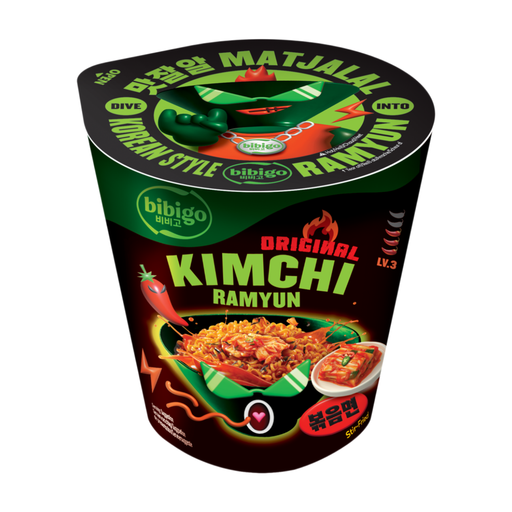
Why This Fits Their Persona: Ultimate convenience for those short on time. This cup noodle is perfect for a quick lunch at the office or a late-night meal after studying. No pots, no dishes, just add hot water.
This isn't a vague 'Asian' flavour. According to the manufacturer Bibigo, the product contains real kimchi, which provides a deep, sour, and spicy taste that is far more authentic than a simple powder sachet.
The convenience of a cup noodle combined with the quality focus of a well-known Korean brand. The topping of dried vegetables and seaweed adds extra texture and flavour.
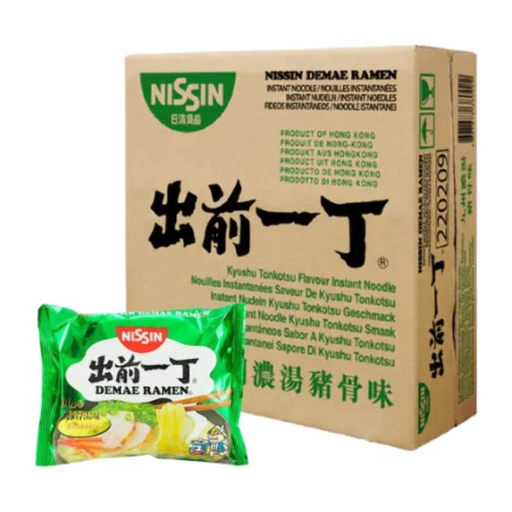
Why This Fits Their Persona: Ideal for families or anyone who likes to keep a well-stocked pantry. This bulk noodle pack offers excellent value for money and ensures you're never without a quick meal option.
You get what you pay for. The 100-gram portions are standard and filling, unlike deceptively small packages. Nissin is a renowned Japanese brand, which inspires confidence in its Tonkotsu flavour.
The mild, creamy, and savoury Tonkotsu flavour is approachable and a perfect base for adding your own toppings, such as a soft-boiled egg, scallions, or strips of pork.
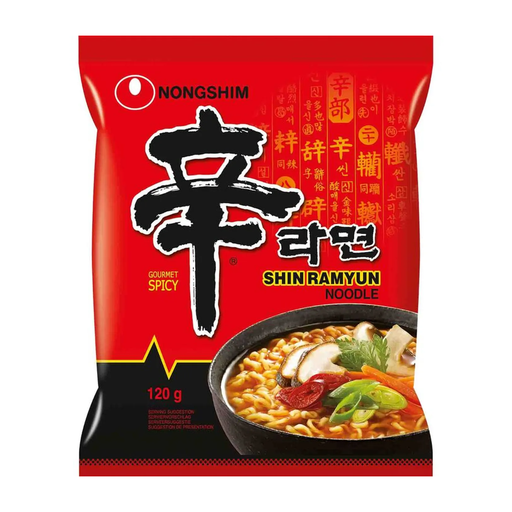
Why This Fits Their Persona: For anyone wanting to try the iconic taste of Korean noodles, Nongshim Shin Ramyun is the gold standard. It's one of the most popular choices worldwide and a perfect starting point for exploring spicy ramyun.
Shin Ramyun has a highly recognisable and consistent flavour profile. The spiciness is present but supported by a deep, savoury umami broth with notes of mushroom and spices.
The bouncy, thicker noodles hold up well in the spicy broth. It's a satisfying and flavourful meal that sets the benchmark for Korean instant noodles.
1. How can I make my instant noodles taste better? The easiest way to upgrade your noodles is by adding toppings. Think of a soft-boiled egg, scallions, strips of nori (seaweed), corn, or some leftover chicken or pork. A drizzle of sesame oil or a dollop of chili oil can also give the flavour an instant boost.
2. What's the difference between Japanese ramen and Korean ramyun? Although the terms are often used interchangeably, there are differences. Japanese instant ramen often focuses on the broth, with flavours like Tonkotsu (pork bone), Miso (soybean paste), or Shoyu (soy sauce). Korean ramyun is generally known for its spiciness and robust flavours, often with a base of chili, garlic, and ingredients like kimchi. The noodles in Korean ramyun are also often slightly thicker and chewier.
3. Are there non-fried instant noodle options? Yes, there certainly are. These noodles are air-dried instead of fried, which means they contain less fat. They often have a slightly different, lighter texture that some perceive as 'healthier' or more 'authentic'. Look for terms like "non-fried" or "air-dried" on the packaging or in the product description to find them.
