
Vandaag of morgen in huis

Kwaliteit gegarandeerd

Welkomstaanbiedingen ontgrendelen: GRATIS bezorging | Tot 80% korting | Gratis 30 dagen JoyPlus-proefperiode
Download de app
A pack of instant noodles might seem simple to choose: pick a familiar flavour, check the number of sachets, and add it to your basket. Yet Asian instant noodles vary greatly in portion size, preparation method, spiciness and allergens. What’s more, a low price per pack doesn’t always reflect the price per serving.
Keep an eye out for these three common pitfalls:
Don’t just compare the number of sachets — also look at the weight per serving. Many multipacks contain portions of 60 to 140 grams. A pack of five 80 g sachets is therefore not directly comparable to a pack of five 120 g sachets.
For students, single-person households, or a quick meal, a pack of five is often practical. If you eat noodles regularly or cook for several people, it’s better to look for an instant noodle multipack or bulk pack. Indomie Special Chicken, for example, is available as five 75 g sachets, but also as a box of 40 x 75 g sachets.
Check whether you leave the noodles in the cooking water or need to drain them. For Korean ramen, such as Shin Ramyun, the seasoning powder is used with around 550 ml of boiling water. According to the product information, preparation takes roughly 4.5 minutes.
For Indonesian Indomie noodles like Mi Goreng, you first boil the noodles, drain them, and then mix them with oil, sweet soy sauce and seasonings. If you prefer a thicker, softer noodle, you can opt for Japanese udon noodles. The SUKI variety at 200 g is suitable for soup, stir-fries and hotpot; rinsing before cooking can reduce a slight sour taste.
Instant noodles often contain wheat, palm oil, flavour enhancers and a seasoning mix. So check the following:
The nutritional values in product information can differ by market, recipe or packaging. Always use the label on the actual pack you receive for your purchase and preparation.
The recommendations below are based on verifiable data such as weight, packaging, origin, preparation method and listed ingredients. Descriptions of brand popularity or taste experience come from the product information of the respective brands or sellers and are not presented as independently established results.
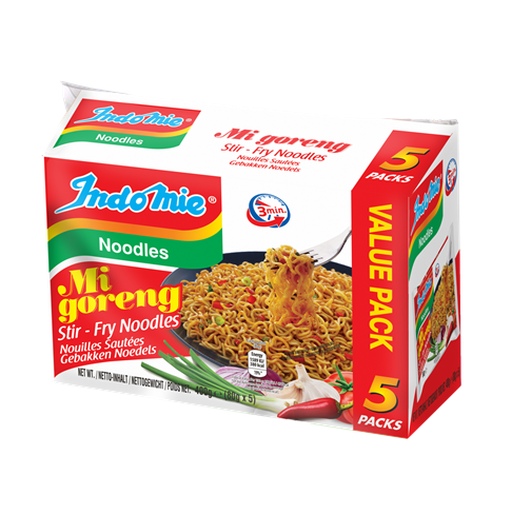
Why this fits the profile: The five 80 g portions are manageable for anyone wanting to try Indonesian Mi Goreng noodles without buying a large stock straight away.
The preparation method is clear: boil, drain and mix with the included sauce, oil, seasonings and chilli powder. So it’s obvious from the start that this is not a soup noodle.
Five 80 g portions; includes separate sauce and seasoning components; made in Indonesia according to the product information.
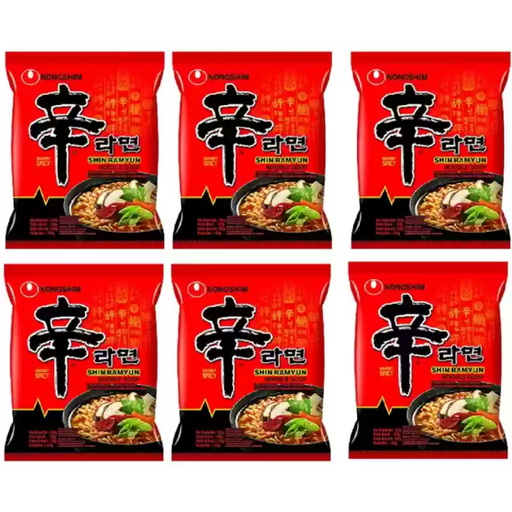
Why this fits the profile: The 120 g portions and broth-based preparation suit ramen lovers looking for a fuller bowl of Korean ramen.
The instructions mention 550 ml of water and a cooking time of around 4.5 minutes. Several allergens are also listed, including wheat, soya, fish and shellfish.
Six 120 g sachets; Korean origin according to the product information; soup style with chilli, garlic and vegetable components.
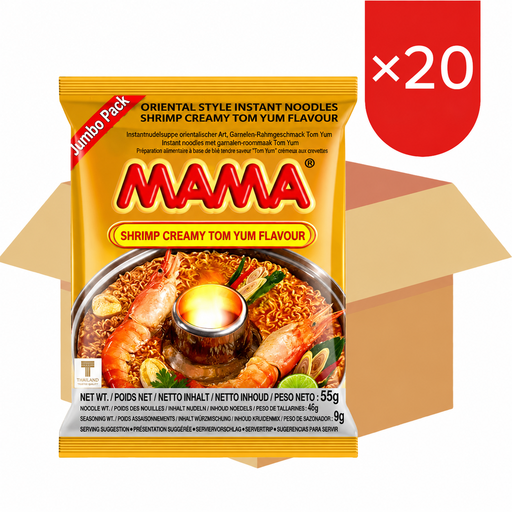
Why this fits the profile: The box of 20 x 90 g portions is practical for a large household, a store cupboard, a student house or regular use.
The packaging states 400 ml of water and a preparation time of three minutes. Do check the listed allergens before buying, including wheat, soya, milk and shellfish.
20 individual portions; Thai origin according to the product information; creamy prawn tom yum flavour profile.

Why this fits the profile: The combination of a large portion, carbonara style and chilli flavour is aimed at consumers who deliberately choose spicy ramen.
The product name and ingredients make the flavour direction clear: chilli, chicken flavour and milk components. So the choice is less surprising for anyone looking for spiciness and creaminess.
Ten 130 g portions; cheese and carbonara-style seasoning mix; contains wheat, soya and milk according to the label.
We’ve put together a full, up-to-date list of products that fully meet these strict selection criteria and comply with current European safety regulations.
Follow the instructions on the packet. For soup noodles, you usually add the seasoning and noodles to boiling water. For Mi Goreng, you often boil the noodles separately, drain them, and then mix them with the sauce and seasonings. Feel free to add egg, spring onion, tofu or vegetables, but first check whether the base already contains a lot of salt.
The best-before date is on the packaging. Store unopened instant noodles in a cool, dry place away from direct sunlight. Do not use a packet with a damaged inner sachet. Once opened, it’s best to use any separate seasoning or sauce sachets straight away, following the instructions on the label.
That depends on the portion size and what you add to them. Most varieties consist mainly of noodles, oil and seasonings. For more variety, you can add vegetables and a source of protein, such as egg, tofu or chicken. For allergies and dietary requirements, always check the full ingredients list and nutritional information table.
