
Vandaag of morgen in huis

Kwaliteit gegarandeerd

Welkomstaanbiedingen ontgrendelen: GRATIS bezorging | Tot 80% korting | Gratis 30 dagen JoyPlus-proefperiode
Download de app
Instant noodles seem like a simple purchase, but the sheer variety can be overwhelming. A package promises an authentic Asian meal, but after preparing it, you're left with a soggy texture and a generic, salty taste. Many people fall into the same traps, ending up with a pantry full of disappointments.
As a Joybuy Product Recommendation Officer, I see where things often go wrong. Before you toss another random packet or cup into your basket, consider these common pitfalls:
To make a good choice, it's helpful to look beyond the front of the package. Pay attention to a few key specifications that determine the quality and flavour experience.
The texture of the noodles is crucial to the eating experience. Most instant noodles fall into two categories:
Check the ingredients list to see if (palm) oil is high on the list for the noodles themselves. This is a clear indicator of fried noodles.
The depth of flavour is determined by the contents of the included sachets.
"Asian noodles" is an umbrella term. The country of origin gives the best indication of the expected flavour profile.
By paying attention to the country of origin, you can more specifically buy Asian noodles that match your taste preferences.
Here are a few choices that score well on the above criteria, tailored to different needs.
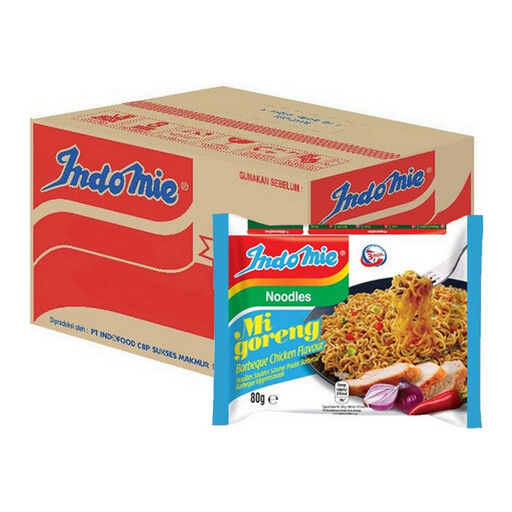
Why This Fits Their Persona: Ideal for students or young professionals who want a reliable, affordable, and quick meal option. The bulk pack is economical and ensures you always have something on hand for a busy day.
This product delivers exactly the iconic, sweet-and-savoury flavour you expect from Indomie mi goreng. No vague "authentic" claim, but a consistent and beloved taste. The complete set of seasonings (powder, oil, sweet soy sauce) ensures depth.
Authentic Indonesian import. The box of 40 packs offers excellent long-term value for money.
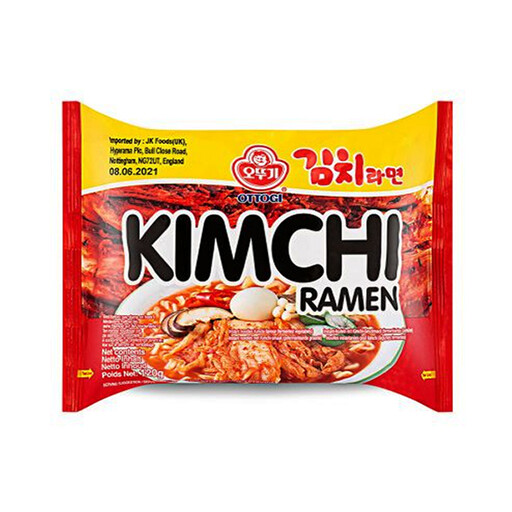
Why This Fits Their Persona: For those seeking a true Korean ramen experience. This noodle soup isn't afraid to be spicy and sour, offering the complex flavour characteristic of kimchi.
This isn't a vague "spicy noodle." The flavour is specific and recognisably kimchi. The ingredients list mentions kimchi powder and dried kimchi, which substantiates the authentic flavour claim and avoids the trap of generic tastes.
Produced in South Korea. The broth has a deep, savoury flavour with a distinct sour and spicy kick from the kimchi.
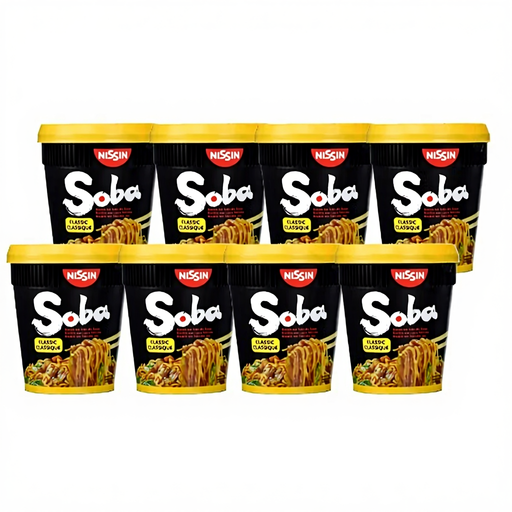
Why This Fits Their Persona: Perfect for a quick, hot lunch at the office or on the go. These cup noodles only require boiling water and a few minutes of patience. No pans, no washing up, maximum convenience.
The packaging is the meal. What you see is what you get: a convenient cup with noodles. The "Classic" flavour from Nissin is a reliable, savoury Japanese soy sauce base, without the pretence of an extravagant gourmet meal.
Extreme ease of use. The cup has a built-in draining system, which is unique for this type of stir-fry noodle and prevents messes.
We've curated a complete, up-to-date list of products that meet these selection criteria.
"Instant noodles" is the general term for all types of dried noodles that can be prepared quickly. Ramen is a specific type of Japanese noodle soup, characterised by wheat noodles in a rich broth. Instant ramen attempts to replicate this specific meal. Other instant noodles could be, for example, Indonesian mi goreng (stir-fried noodles) or Thai boat noodles (rice noodles).
A simple bowl of instant noodles can easily be elevated. Add ingredients you have on hand. A soft-boiled egg, some finely chopped spring onion, a handful of spinach or bean sprouts, or leftover chicken or pork always work well. A dash of soy sauce, sesame oil, or a spoonful of chilli oil can also significantly deepen the flavour of the broth.
Not necessarily. The main difference is convenience. Cup noodles are designed for maximum efficiency: you only need boiling water. Noodles in a packet offer more flexibility, as you can cook them in a pot and more easily add fresh ingredients. The quality of the noodles and seasonings themselves depends entirely on the brand and the specific product line, not on whether they come in a cup or a packet.
