
Vandaag of morgen in huis

Kwaliteit gegarandeerd

Welkomstaanbiedingen ontgrendelen: GRATIS bezorging | Tot 80% korting | Gratis 30 dagen JoyPlus-proefperiode
Download de app
A bowl of instant miso soup seems easy to choose: open a sachet, add hot water and you’re done. But products can vary considerably in flavour, portion size, ingredients and convenience. If you rely only on packaging claims such as “authentic” or “umami”, you could end up with a small portion, unexpectedly high salt content or allergens that don’t suit your diet.
This guide will help you compare your options, whether you’re looking for a Japanese instant soup to enjoy at home, at work, while studying or on the go.
A product may be described as authentic Japanese soup, but that doesn’t automatically tell you which miso, toppings or flavour base it contains. So check the ingredients. Rice miso, red miso, seaweed, tofu, spring onion, kombu and bonito each create a different flavour profile.
Pay attention to brand claims, too. If a manufacturer describes a traditional preparation method or authentic flavour, that’s the brand’s description, not an objective quality mark.
The weight shown on the front can be misleading if some of it comes from dried toppings. Check the number of individual portions and the recommended amount of water. A 156-gram pack may make several bowls, while a smaller pack may be intended for just a few servings.
Individual sachets are handy for the office or everyday use. A larger pack may be better value at home, but only if you’ll use the soup before it expires.
Miso is usually made from fermented soya beans, but the flavour base may contain fish. Ingredients such as bonito, sardine or fish powder are often found in wakame miso soup or miso soup with tofu. Always check the current packaging.
Soya, gluten and wheat are also important considerations. Hikari Miso Miso Soup Seaweed 156g lists soya, gluten and wheat. Its toppings include fried gluten and dried bonito powder. This product is therefore not automatically suitable for a vegetarian or gluten-free diet.
Start by comparing the miso base and the toppings. Miso soup with seaweed may contain wakame or seaweed extract; a tofu version includes dried tofu. Also check for:
The ingredients list on the packaging is the one to follow. Product information can change, so check it again if you have an allergy or follow a specific diet.
A good soup made with hot water should clearly state how much water to use. Some products need around 160 ml per portion; others have their own recommended amount. Too much water will dilute the flavour, while too little can make the soup taste strong and salty.
Check whether the portions are individually wrapped, too. This is handy for a desk, rucksack or cupboard, and helps reduce waste.
Miso soup is usually a good choice for a light lunch, snack or starter. To make it a more substantial meal, add noodles, mushrooms, sweetcorn, edamame or fresh vegetables. Taste it before adding extra salt, as miso products can already be high in salt.
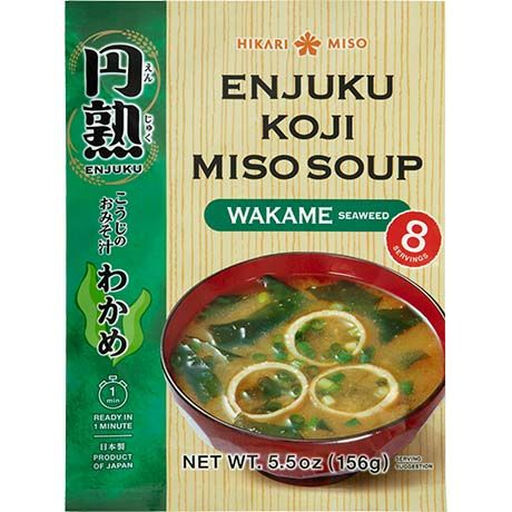
Why it suits this profile: The pack is designed for multiple servings and combines miso with seaweed, spring onion and other toppings. This makes it an approachable choice if you’re trying instant miso soup for the first time.
The product information clearly lists the ingredients and allergens. Note that it contains soya, gluten and wheat, as well as dried bonito powder.
Miso with seaweed and spring onion; store in a cool, dry place; makes a quick soup when prepared with hot water.
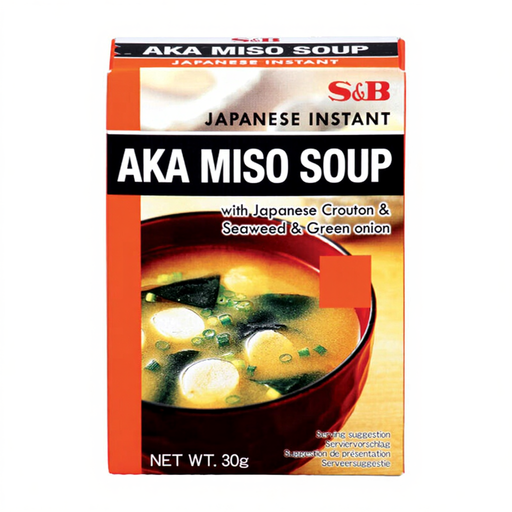
Why it suits this profile: If you’re after a more pronounced, robust miso flavour, this Japanese instant soup with its red miso base is worth considering. The portion pack makes it easy to prepare just the right amount.
The product description mentions red miso, seaweed, tofu and spring onion, so you’ll have a clearer idea of the flavour you’re choosing.
Aka miso for a distinctive flavour base; individual 30-gram portion; according to the product information, made without artificial colourings or preservatives.
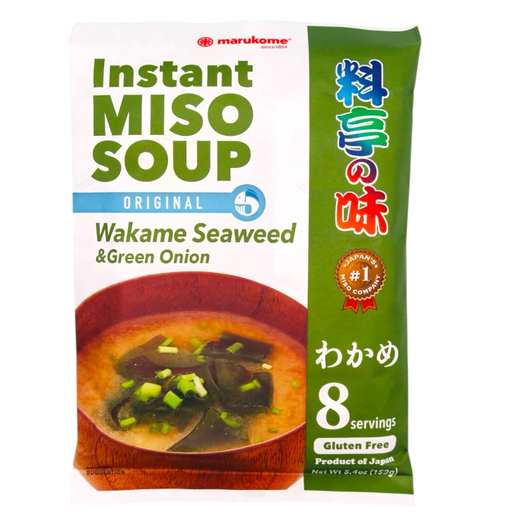
Why it suits this profile: With eight portions, this wakame miso soup is a practical choice for a household, office cupboard or regular use. According to the product information, the toppings are wakame and spring onion.
The number of portions is clearly stated. The ingredients also include bonito, sardine and soya, so check the label if you’re vegetarian or have an allergy.
Eight portions; wakame and spring onion; rice miso with bonito, sardine and kelp extract, according to the product description.
We’ve put together a complete, up-to-date list of products that meet these strict selection criteria and current European safety regulations.
Use the amount of water stated on the packaging. Usually, you put the miso paste and toppings in a bowl, add hot water and stir until everything has dissolved. If your bowl is delicate, avoid pouring boiling water straight into it, and wait until the soup is at a comfortable temperature before drinking.
Unopened instant miso soup will usually keep until the date on the packaging, provided you store it in a cool, dry place away from direct sunlight. Once opened, reseal the pack securely. Drink prepared soup straight away.
Not necessarily. Check whether bonito, sardine, dashi or another fish ingredient is listed. “Miso soup with tofu” may also contain fish, as tofu refers only to the topping. Choose a vegetarian variety only when the ingredients and product information clearly confirm that it is suitable.
