
Vandaag of morgen in huis

Kwaliteit gegarandeerd

Welkomstaanbiedingen ontgrendelen: GRATIS bezorging | Tot 80% korting | Gratis 30 dagen JoyPlus-proefperiode
Download de app
Thinking of buying instant milk tea and matcha latte for home, the office or on the go? The choice seems simple: open a sachet, add hot water, and you’re done. Yet milk tea powder, matcha latte powder and bubble tea powder differ greatly in portion size, ingredients, sweetness and ease of use.
Watch out for three common pitfalls:
An individual sachet is handy for a bag at work or in your suitcase. For many products, the recommended amount is around 150 to 180 ml of water per serving. That gives a relatively concentrated drink. If you use a larger mug, you may end up with a milder flavour.
For regular use, multi-serving packs are more practical. The Xiang Yue Milk Tea Wheat Flavor, for example, contains 30 sachets of 22g each. That’s easy to manage for daily use and sharing with housemates. A jar or bag of loose powder offers more flexibility, but you’ll need a measuring scoop and must seal it properly after opening.
Don’t just compare the front of the pack. Look at the order of ingredients and the nutritional information per 100g or per sachet.
In many instant tea products, the first ingredients are sugar, glucose syrup and creamer. That makes for a sweet, creamy drink, but it can also mean that tea or matcha makes up only a small part of the mix. The Cooling Hydration 3:15 PM Original Milk Tea, for instance, lists sugar, glucose syrup, creamer and black tea powder. This product contains milk and soya.
A vegan milk tea must not contain milk, whey, caseinate or any other dairy components. The JENI vegan milk tea powder is made without animal ingredients according to the product information, and it lists none of the 14 major EU allergens. Still, always check the label on the pack you receive, especially if you have allergies or intolerances.
A classic instant milk tea usually has black tea, creamer and sugar as its base. Taiwanese varieties tend to be sweet and creamy. Japanese milk tea may have a more pronounced tea aroma. A Japanese matcha latte is generally focused on green tea flavour, but the intensity depends on the proportion of matcha powder.
Also check whether the product should be prepared only with hot water or whether it works with cold milk too. For an iced matcha latte, a powder works well if you first dissolve it in a small amount of warm water. Then you can add cold milk and ice. Follow the preparation instructions on the pack; some products are intended only for hot water.
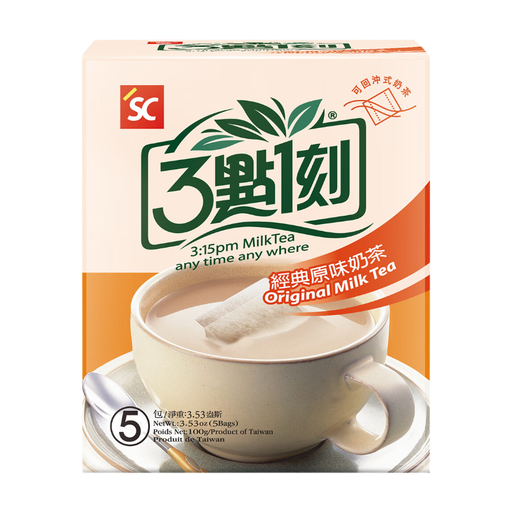
Why it fits this profile: Five sachets of 20g each let you try instant milk tea without committing to a large stock. One sachet is prepared with around 150 to 180 ml of hot water.
The portions are clearly defined, so you don’t have to guess with loose powder amounts. The ingredients and allergen information are listed: this product contains milk and soya.
Original milk tea flavour, five individual sachets and simple preparation with hot water.
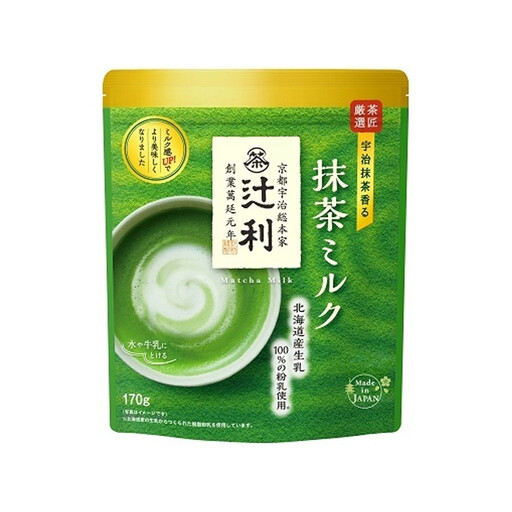
Why it fits this profile: This matcha milk is aimed at fans of a Japanese matcha latte. According to the product description, the mix contains Uji matcha and Hokkaido milk powder.
The product information names the type of matcha and the milk powder used, rather than just making a general flavour claim. Check the actual pack for allergens and nutritional values.
Suitable for hot preparation and iced matcha milk; the pack contains 170g for multiple cups.
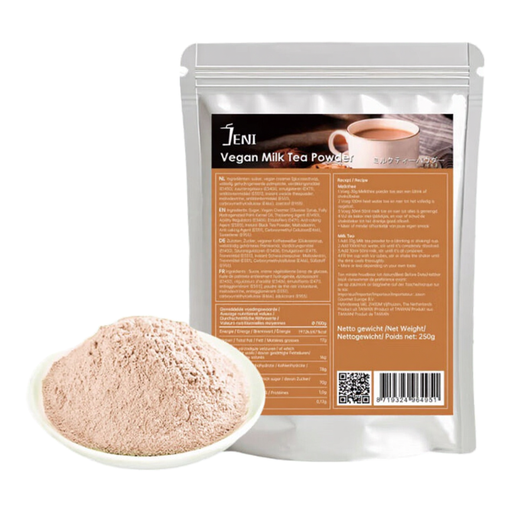
Why it fits this profile: This vegan milk tea is designed for home use, small cafés and preparation with water or plant-based milk. According to the product information, the pack yields roughly 7 to 8 cups.
The product description explicitly mentions a plant-based composition and uses such as bubble tea, smoothies and lattes. If you have allergies, still check the label.
Vegan powder, 250 g, usable with water or plant-based milk.
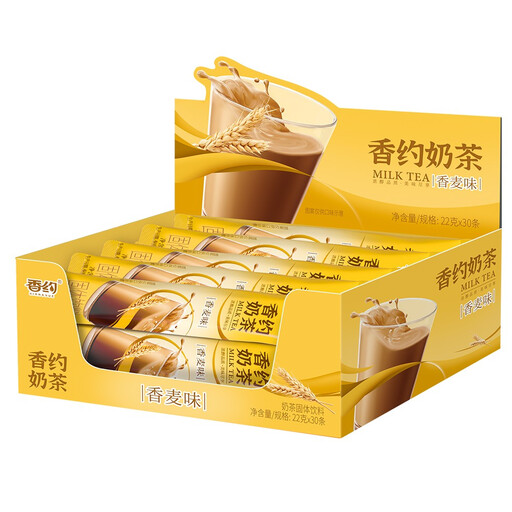
Why it fits this profile: The box contains 30 portions of 22g each, making it suitable for a shared stock in the office, a student house or small catering outlets.
The individual milk tea sachets reduce waste and make portion planning easy. Preparation requires 150 ml of hot water at a minimum of 85 °C.
30 individual portions, clear preparation instructions and a milky flavour with wheat aroma.
We’ve put together a full, up-to-date list of products that fully meet these strict selection criteria and comply with current European safety regulations.
Always use the amount of water stated on the label when using powder. Too little water makes the drink very sweet or thick; too much water weakens the flavour. First dissolve the powder in hot water and stir until there are no lumps. For a cold matcha drink, you can then add ice or cold milk, if the product instructions allow.
Store opened packs in a cool, dry place and seal them tightly. Moisture can cause the powder to clump. Use a clean, dry measuring scoop and check the best-before date on the pack. It’s best to prepare and consume an opened sachet straight away.
Instant milk tea usually contains tea extract or tea powder, sugar and creamer. Bubble tea powder is often intended as a base for a drink to which you add tapioca pearls, coconut jelly or other toppings. Some products, such as Xiang Piao Piao Classic Wheat Flavor Milk Tea, already include a separate topping sachet with coconut jelly.
That depends on the recommended serving size. A 250g pack, according to the product information from JENI, can yield roughly 7 to 8 cups. Packs with sachets show the number of portions directly, such as 5 sachets of 20g or 30 sachets of 22g.
Not automatically. Many matcha latte mixes contain milk powder, sodium caseinate or a creamer with milk components. Only choose a product with a suitable ingredients list and allergen declaration, such as a mix explicitly labelled as vegan. Check the pack again when you receive the product.
