
Vandaag of morgen in huis

Kwaliteit gegarandeerd

Welkomstaanbiedingen ontgrendelen: GRATIS bezorging | Tot 80% korting | Gratis 30 dagen JoyPlus-proefperiode
Download de app
A sachet of instant milk tea or matcha latte may seem simple to choose: add hot water and you’re ready to go. However, the mixes can vary considerably in flavour, ingredients, serving size and preparation method. A sweet Thai milk tea, for example, calls for something different from a Japanese matcha latte. Terms such as “vegan”, “authentic” and “premium” are not always enough to tell you exactly what is in the packaging.
As a Joybuy Product Recommendation Officer, I filter the most important product information so that you can compare marketing claims with verifiable details on the label.
A 250 g box or a 1 kg bag may look good value, but first check the recommended amount per serving. With some products, one sachet equals one serving. Other powders require several spoonfuls, additional creamer or syrup. Therefore, calculate:
Individually portioned packaging is often convenient for the office or when you’re out and about. A larger bag may be more appealing if you regularly make bubble tea or a matcha drink at home.
Many instant milk tea and matcha latte powders contain milk powder, whey, lactose or sodium caseinate. This includes products such as Xiang Piao Piao, AGF Milktea Latte and Nittoh Royal Milk Tea. Always check the allergen information, even when the packaging says “non-dairy creamer”. “Non-dairy” does not automatically mean that the product is completely free from milk ingredients.
If you want a vegan option, you should also check the full ingredients list. The JENI Vegan Matcha Latte and JENI vegan milk tea powder are described as free from the 14 major EU allergens, but check the packaging when purchasing for the latest information.
“Japanese milk tea”, “Thai milk tea” or “Taiwanese milk tea” often refers to a flavour profile, not necessarily the origin of all the ingredients. Ranong Instant Thai Tea Mix, for example, is stated to come from Thailand, while the black tea powder is not from Thailand according to the product information.
Therefore, check the:
For matcha latte powder, it is useful to check how much matcha or green tea has actually been added. According to the product information, Instant Matcha Latte 161 g contains 8% green tea powder. Ranong Instant Matcha Green Tea Latte lists 9.7% matcha green tea powder. Gold Kili Matcha Latte Powder contains matcha, but the ratio is not provided in the same format in the product information supplied.
A higher percentage does not only indicate flavour; it may also mean that the drink tastes less sweet or has a more pronounced grassy flavour. If you prefer a smooth latte, it is better to look at the milk powder, creamer and added sugar.
Where possible, compare the values per serving, rather than only per 100 g. According to the label, Goldkili Milk Tea contains 10.8 g of sugar per 18 g serving. 3:15 PM Original Milk Tea lists 65 g of sugar per 100 g of powder. The final amount per cup depends on the serving size and preparation method.
This gives you a more realistic idea of how the product fits into your daily routine. Also look out for sweeteners such as aspartame or sucralose if you prefer to avoid them.
Most instant tea latte mixes require water at approximately 85 °C or hotter. Xiang Piao Piao Classic Wheat Flavor uses 150 ml of hot water and consists of a milk tea powder sachet, sugar sachet and coconut jelly. This gives you more control over sweetness and toppings, but also requires a little more preparation.
For cold drinks, the powder usually needs to be dissolved in a small amount of hot water first. You can then add cold water, milk, ice or tapioca pearls. Once opened, always check the storage instructions and seal the bag or box securely.
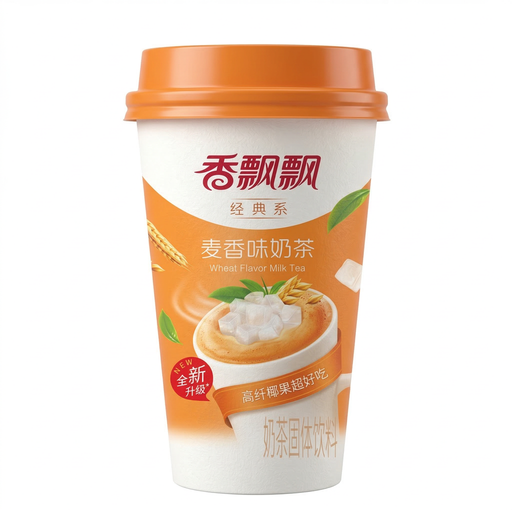
Why it suits this profile: The combination of milk tea powder, sugar sachet and coconut jelly makes this cup suitable for anyone trying instant milk tea for the first time and wanting to adjust the sweetness themselves.
The serving size and preparation method are clearly described: 150 ml of water above 85 °C. The ingredients and milk allergen are listed.
80 g per cup, separate additions and a stated shelf life of 12 months from production.
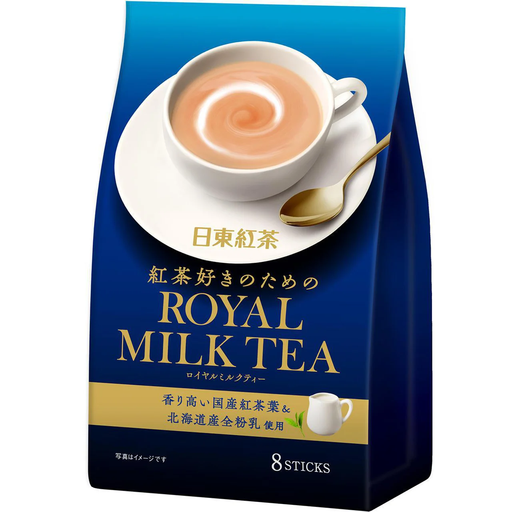
Why it suits this profile: This Japanese milk tea comes in individual sachets and, according to the product description, uses black tea and Hokkaido milk powder.
The servings are specified per sachet. The milk and soya allergens are explicitly listed.
Individual sachets, 59 kcal per sachet according to the product information, and preparation with hot water.
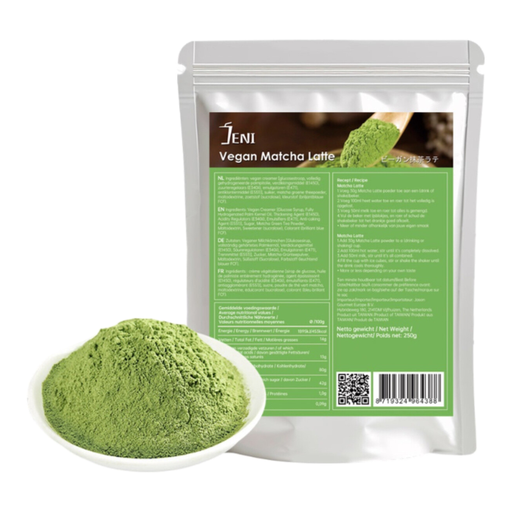
Why it suits this profile: This vegan matcha latte powder is designed for multiple servings and, according to the product information, can be mixed with hot water or plant-based milk.
The product information lists a vegan creamer and none of the 14 major EU allergens. Check the packaging when purchasing.
250 g contents, real matcha according to the product description, and suitable for hot water or plant-based milk.
We have put together a complete, up-to-date list of products that fully meet these strict selection criteria and the applicable European safety regulations.
Follow the instructions on the packaging. Many mixes require approximately 150 ml of hot water. Dissolve the powder fully first, then add ice, extra milk or toppings if desired. For a cold drink, it is usually more practical to start by using a small amount of hot water rather than adding cold water straight away.
Store the product in a cool, dry place away from direct sunlight. Seal opened packaging securely and use a sachet immediately after opening. The exact shelf life varies by brand, so check the date and instructions on the packaging.
No. Many matcha latte mixes contain milk powder, creamer with milk ingredients or sodium caseinate. Only choose a product that is explicitly labelled vegan, and check the ingredients and allergen information. Adding plant-based milk to a standard mix does not automatically make the product vegan.
