
Vandaag of morgen in huis

Kwaliteit gegarandeerd

Welkomstaanbiedingen ontgrendelen: GRATIS bezorging | Tot 80% korting | Gratis 30 dagen JoyPlus-proefperiode
Download de app
A sachet of instant milk tea seems simple enough: powder into a mug, add hot water and stir. Yet products vary widely in flavour, portion size, ingredients and preparation method. If you only look at an attractive packet or the term “authentic bubble tea”, you could end up with an overly sweet drink, an awkwardly packaged product, or one that doesn’t suit everyday use.
This buying guide helps you compare instant milk tea, Japanese milk tea, matcha latte and Taiwanese milk tea on practical points. That way, you can choose a product for home, the office or on the go without being swayed by unsubstantiated marketing claims.
Words like “royal”, “premium” or “authentic” don’t automatically describe the ratio of tea, milk solids and sugar. Always check the ingredients list. In some instant drinks, sugar is listed first, while others put more emphasis on black tea, matcha or milk powder.
For example, Nittoh Instant Royal Milk Tea lists sugar, lactose, milk powder and black tea extract in its product information. Gold Kili Milk Tea contains creamer, sugar and 7% soluble tea according to its product specification. So the taste may be creamy and sweet, but the products are not the same.
A matcha latte often also contains sugar, dextrin, milk powder or creamer. Look at the stated percentage of matcha. Nittoh Instant Matcha Au Lait contains Uji matcha according to the label, but the exact strength of flavour also depends on the other ingredients. Ranong Tea Instant Matcha Green Tea Latte states 9.7% matcha powder and 26.5% whole milk powder.
According to the brand’s own information, Ranong Tea uses Japanese matcha. That’s a product claim; you should also assess the ingredients list, origin and preparation instructions yourself.
A box of 30 sticks looks appealing for daily use, but it’s less convenient if you want to try a flavour first. Pay attention to the price per serving, the amount of water per sachet and the best-before information on the pack. A product with individual sticks also helps keep the powder dry and pre-portioned.
Check at least:
AGF Blendy Chai Tea au Lait lists black tea extract, ginger and spices among its ingredients. The product contains milk and soya and also mentions sweeteners. That makes it a different choice from a classic matcha milk or Taiwanese milk tea.
Most instant milk tea products require around 120 to 180 ml of water. Nittoh products specify 120 ml, while various Xiang Yue varieties use 150 ml. Xiang Piao Piao Classic Wheat Flavor asks for 150 ml of water at a minimum of 85 °C according to its product information.
For a cold drink, you usually dissolve the powder in a little hot water first. Then add cold water and ice. This way you can make an iced matcha latte or cold milk tea with the same product. Always check the instructions on the pack, especially for products with toppings or multiple sachets.
Choose individual milk tea sticks if you want to take a portion to the office or on the go. A larger pack is better suited to everyday use at home. For a more playful preparation, cups or sets with toppings are ideal. Xiang Piao Piao and Xiang Yue products include varieties with, for example, coconut jelly, red beans or brown sugar syrup. With toppings, bear in mind extra sugar, preparation time and potential choking hazards for young children.
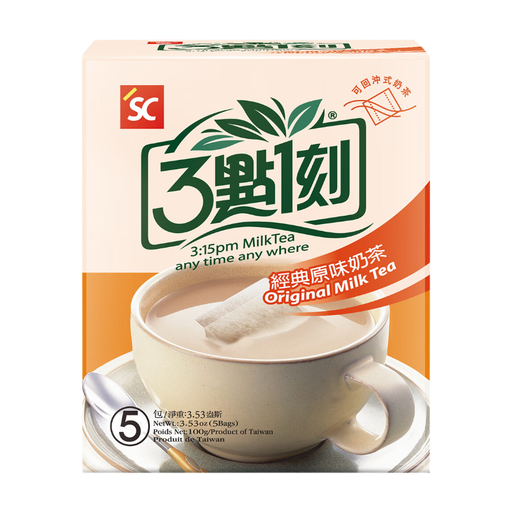
Why this fits the profile: The pack contains five 20 g sachets. That’s a manageable amount if you want to try instant milk tea first without buying a large stock.
The portions are pre-divided and the preparation instructions mention around 150 to 180 ml of hot water. Do check the listed allergens: milk and soya.
Five individual sachets, original milk tea flavour and simple preparation with hot water.
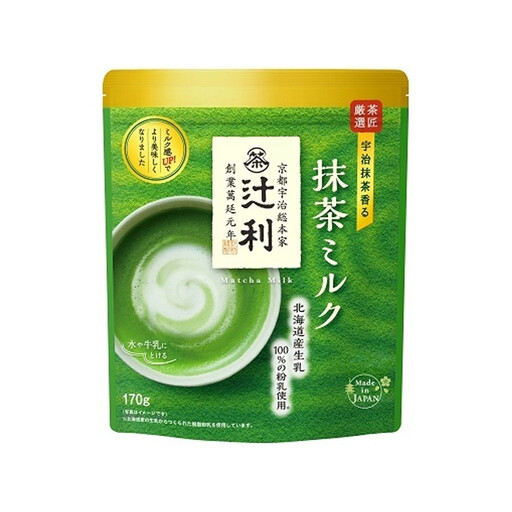
Why this fits the profile: The product description mentions selected Uji matcha and 100% Hokkaido milk powder. According to the listing, the powder can be dissolved in water or cold milk.
The stated tea base and milk components are clearly described. Compare the actual pack if you need sugar or allergen information.
Uji matcha according to the product information, Hokkaido milk powder and suitable for hot or cold preparation.
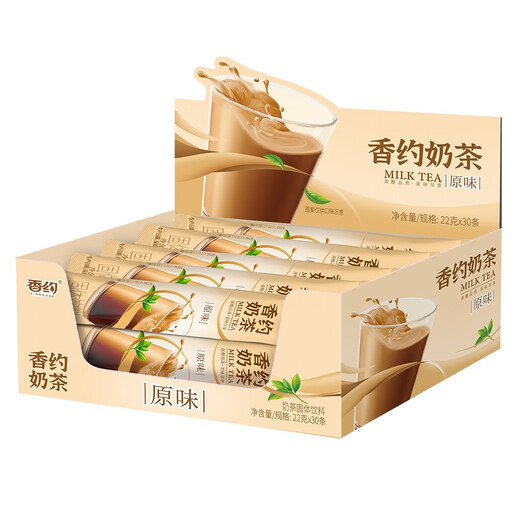
Why this fits the profile: With 30 individual 22 g portions, this Taiwanese milk tea is designed for regular use or sharing with housemates.
The fixed portions mean you don’t have to weigh anything each time. The listing states 150 ml of water at a minimum of 85 °C.
30 sachets, classic Taiwanese flavour and a quick preparation method with hot water.
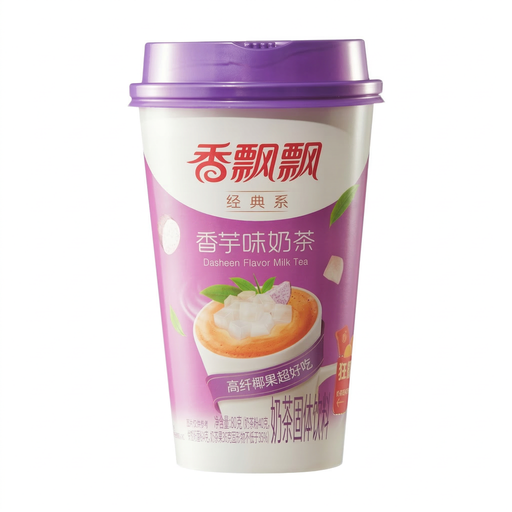
Why this fits the profile: This taro milk tea comes as a cup with milk tea powder, a sugar sachet and coconut jelly. That makes it easy to get started with bubble tea at home.
The toppings and sweetness are packed separately, so you can adjust them yourself according to the product information. The cup does require hot water and stirring.
Taro flavour, coconut jelly and adjustable sweetness in one single-serve pack.
We’ve put together a full, up-to-date list of products that fully meet these strict selection criteria and comply with current European safety regulations.
Use a dry, clean mug and add the recommended amount of powder. Pour in a small amount of hot water first, stir the powder to dissolve it, then add the rest. For a matcha latte or instant matcha latte, a milk frother can help mix the drink more evenly. With sticks that use 120 ml of water, a large mug is less suitable because the flavour will quickly become diluted.
If you want to make bubble tea at home, prepare the tea according to the pack and only add ice or toppings afterwards. Store opened powder in a cool, dry place, tightly sealed, away from direct sunlight and moisture. Check the best-before date on the pack; it can vary from batch to batch.
No. Instant milk tea is usually a powder mix with tea, milk solids and sweeteners. Bubble tea generally refers to a drink with toppings, such as tapioca pearls, jelly or beans. With a cup containing coconut jelly or a separate topping, you can make something similar at home.
Yes, with many products. Dissolve the powder in a small amount of hot water first, then add cold water and ice. Check the instructions, because not every mix is intended for cold preparation. The Kataoka Tsujiri Matcha Milk product information, for example, mentions dissolving in cold water or cold milk.
Look at the best-before information on the product and seal the pack carefully after opening. Individual sticks are practical because the powder is exposed to air and moisture less often. Use an opened sachet straight away and do not use a pack that is damaged.
