
Vandaag of morgen in huis

Kwaliteit gegarandeerd

Welkomstaanbiedingen ontgrendelen: GRATIS bezorging | Tot 80% korting | Gratis 30 dagen JoyPlus-proefperiode
Download de app
A sachet of instant milk tea seems simple enough: powder in a mug, hot water, and you’re done. Yet products vary widely in flavour, serving size, ingredients and preparation. If you only look at a catchy flavour name or a large pack, you could end up with something that’s too sweet, contains milk derivatives, or requires more effort than expected.
This guide helps you compare milk tea powder, instant bubble tea and other Asian teas clearly. That way, you can choose something for home, the office, on the go, or as part of a bubble tea kit.
“Thai tea”, “matcha latte” or “jasmine milk tea” sounds straightforward, but check the ingredients list. A mix might be mostly sugar and creamer, with black tea, oolong tea, matcha or jasmine tea making up a much smaller proportion. For example, the Ranong Instant Matcha Green Tea Latte lists 9.7% matcha powder alongside sugar and milk powder.
With fruity varieties, the difference between fruit and fruit flavouring is also important. According to the product information, Pickwick Mango Fruit Tea contains black tea, natural flavourings and 0.8% mango pieces. That’s quite different from a drink based on a high proportion of fruit juice.
A product with “non-dairy creamer” can still contain milk derivatives, such as sodium caseinate, whey or milk powder. So always check the allergen information and the full ingredients list.
The JENI vegan milk tea powder is described as being made without animal ingredients and does not list any of the 14 major EU allergens. Even so, it’s wise to check the packaging on delivery, especially if you have allergies or food intolerances.
With a single serving, you usually just add hot water. A bubble tea kit may also include tapioca pearls, syrup, toppings and a separate tea or flavour base. Tapioca pearls generally need to be prepared first. The JENI Brown Sugar Bubble Tea Kit explicitly states that the pearls must be thoroughly prepared before consumption.
Also, pay attention to the serving size. A box of 20 sachets is handy for daily use, while a DIY kit with three cups or three sets is better for sharing or a weekend treat.
First, look at:
The Instant Thai Tea Mix states around 90 kcal and 11 g of sugar per 20 g serving, according to the product information provided. The Classic Rose Fruit Milk Tea from 3:15PM contains five individually wrapped servings of 15 g; each sachet is listed at approximately 69 kcal and 9.5 g of sugar.
Most instant milk tea works with hot water, but the amount varies. Examples:
A larger amount of water gives a milder drink. If you prefer a stronger flavour, it’s better to follow the recommended amount and add ice if needed, rather than simply using extra powder.
Individual sachets are practical for a desk drawer, student room or bag. A larger bag is often more convenient if several people drink tea regularly, but once opened it needs to be sealed properly and stored in a dry place.
Store instant tea as directed on the packaging in a cool, dry place, away from direct sunlight and moisture. Always check the best-before date. For products with wet toppings, such as pudding, coconut jelly or red beans, it’s especially important to follow the instructions after opening and preparing.
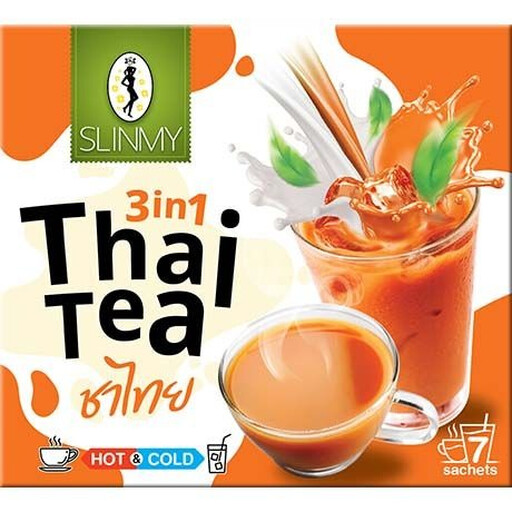
Why it fits this profile: A straightforward introduction to Thai tea without loose ingredients or special equipment. Ideal for a quick brew at home or in the office.
The product information lists ingredients, allergens and nutritional values. This means you can check sugar, milk derivatives and serving size in advance.
Instant mix with black tea components; suitable as a hot drink and comes in a practical bulk pack.
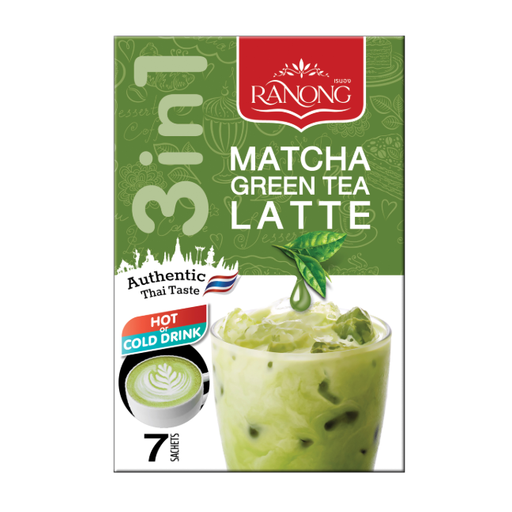
Why it fits this profile: For anyone looking for a matcha latte with a creamy texture without needing a whisk or loose milk powder.
The matcha content is listed as 9.7%, and the product lists milk as an allergen. So you know this isn’t pure matcha powder and isn’t dairy-free.
Contains 26.5% whole milk powder according to the product description; designed for preparation with hot water.
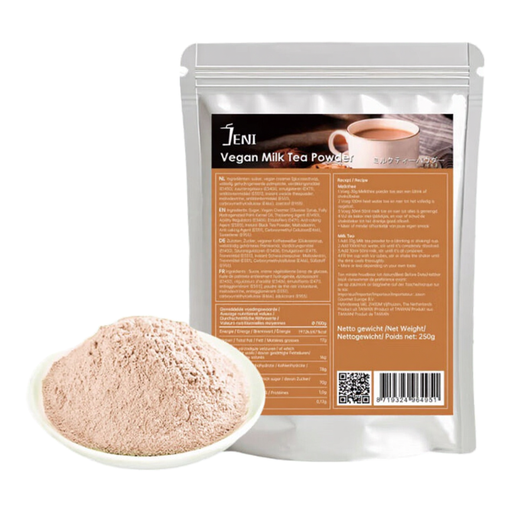
Why it fits this profile: For vegans and households looking for a plant-based base for milk tea, lattes, smoothies or desserts.
The product description mentions plant-based ingredients and does not list any of the 14 major EU allergens. If you have allergies, still check the label.
250 g pack; according to the product information, it makes around 7–8 cups and can be mixed with water or plant-based milk.
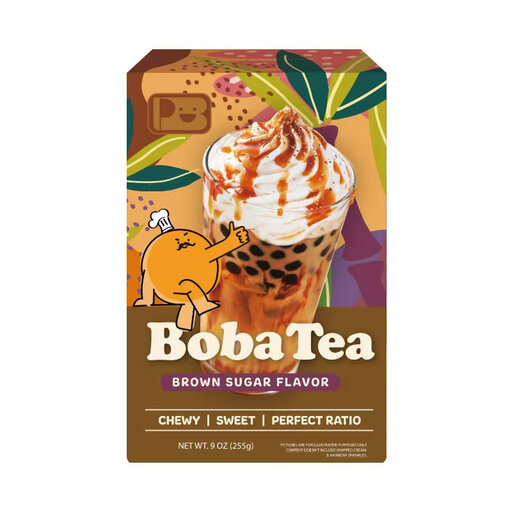
Why it fits this profile: Great for multiple drinking occasions, an afternoon with friends, or making bubble tea at home without buying all the components separately.
The kit states three sets and includes tapioca pearls, brown sugar syrup and a tea base. This makes it clear upfront that preparation involves several steps.
Three kits in one pack; contains separate tapioca pearls, syrup and tea extract base.
We’ve put together a full, up-to-date list of products that fully meet these strict selection criteria and comply with current European safety regulations.
Follow the serving instructions on the packet. Usually, you put one sachet in a mug and add around 150 to 180 ml of hot water. Stir until the powder is completely dissolved. With a DIY kit that includes toppings, prepare the pearls or other components separately first.
Yes, with products that are suitable for it, such as some Thai tea mixes. Prepare the drink with hot water first so the powder dissolves. Then let the tea cool down or pour it over ice. Always check the instructions on the packet.
Unopened, the product stays fresh until the date on the packet, as long as you store it in a dry, cool place. Seal an opened bag tightly. Individual sachets are practical because you only open one serving at a time. A prepared drink containing milk derivatives or toppings is best consumed immediately, according to the product instructions.
Not as standard. Many mixes contain milk powder, whey or sodium caseinate. Only choose a product that is clearly labelled as vegan, and check the current ingredients and allergen information. This also applies to instant bubble tea and matcha latte mixes.
