
Vandaag of morgen in huis

Kwaliteit gegarandeerd

Welkomstaanbiedingen ontgrendelen: GRATIS bezorging | Tot 80% korting | Gratis 30 dagen JoyPlus-proefperiode
Download de app
With instant milk tea, you can quickly make a sweet tea with milk powder, creamer and often extra flavourings at home. That sounds simple, but products vary widely in taste, preparation, sugar content, toppings and allergens. If you only go by an attractive packet or the term “bubble tea”, you could end up buying a product that doesn’t match your preferences.
This buying guide will help you objectively compare instant bubble tea, Asian milk tea and ready-to-drink options.
A 660-gram pack might look appealing for families or daily use, but first check how much drink you can make from it. A serving could be 150 to 200 ml, for example, while other varieties are portioned per sachet. So compare the price per serving, not just the price per box.
Many milk tea products use non-dairy creamer as the main ingredient. This can contain glucose syrup, vegetable oil and sodium caseinate from milk. So check the ingredient list on the label. If sugar or creamer appears first, that will probably determine much of the flavour and nutritional value.
Also pay attention to allergens. Several products in this range contain milk; some also contain soya. A product that lists none of the 14 major EU allergens according to the product information could still have a different composition. Always check the packaging you receive.
Milk tea with tapioca pearls, coconut jelly, red beans or brown sugar syrup adds more texture, but it isn’t always ready after one stir. With a kit, tapioca pearls may first need to be boiled. Some products come with separate sachets of sugar, topping and tea. This allows you to customise, but takes more time than a simple sachet of powder.
The tea base determines whether the drink tastes mainly creamy and sweet, or more tea-like. Check whether the ingredients list black tea, oolong, green tea, jasmine or matcha. A Taiwanese milk tea often uses black tea or a blend of black tea and oolong. With jasmine milk tea, the aroma may come from jasmine tea, instant tea, flavouring or a combination.
If you’re after a floral flavour, look at jasmine varieties. For a more intense, earthy taste, matcha milk tea and taro-style drinks are logical choices. A Thai tea mix typically has a distinctly sweet and spicy profile. According to the brands’ own product information, colourings and flavourings may be part of the mix; check the current ingredients list before you order.
Pay attention to the amount of water and the required temperature. Examples from the range:
A powder mix is handy at the office or when travelling. A kit with toppings is better suited to a cosy home preparation, but requires more steps.
Compare the nutritional values per 100 grams and per serving. In the product information for various powders, the energy ranges from around 430 to 526 kcal per 100 grams of dry product. The sugar content also varies between mixes. With some varieties, you can use a separate sugar sachet partially, allowing you to adjust the sweetness yourself.
That doesn’t automatically make a product suitable for every dietary choice. Use the nutritional information table as a practical comparison and follow the recommended preparation on the packaging.
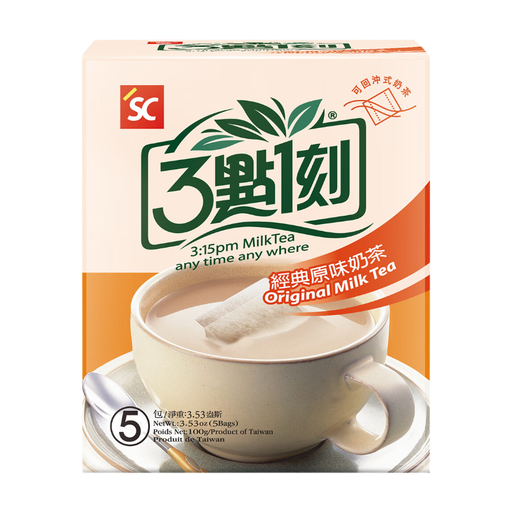
Why this suits the profile: Five individual sachets make it easy to try a classic flavour first without buying a large stock straight away.
The portions are pre-measured and the preparation instructions mention around 150–180 ml of hot water. So you don’t have to guess the amount.
Five sachets of 20 grams; black tea, creamer and milk ingredients in the mix; suitable for a quick hot drink.
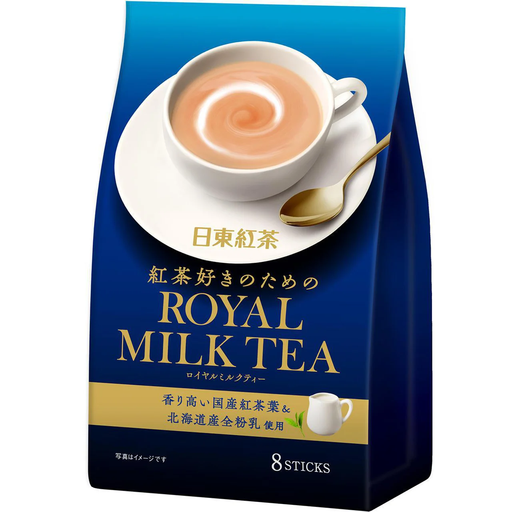
Why this suits the profile: If you pay attention to the tea base and milk components, you get a Japanese style with black tea, milk powder and individual portions.
The product information clearly lists the ingredients and allergens: the product contains milk and soya. That helps with a targeted choice.
Individual sachets; black tea and milk ingredients; practical stock for home, office or on the go.
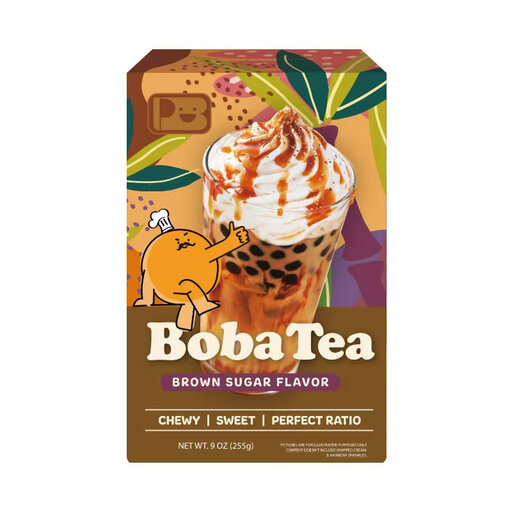
Why this suits the profile: This is aimed at fans of brown sugar bubble tea who want to make multiple servings at home for guests or a film night.
The set separately lists the tapioca pearls, tea base and brown sugar syrup. So you know in advance that preparation steps are needed.
Three kits; tapioca pearls and brown sugar syrup included; suitable for preparation with tea and ice.
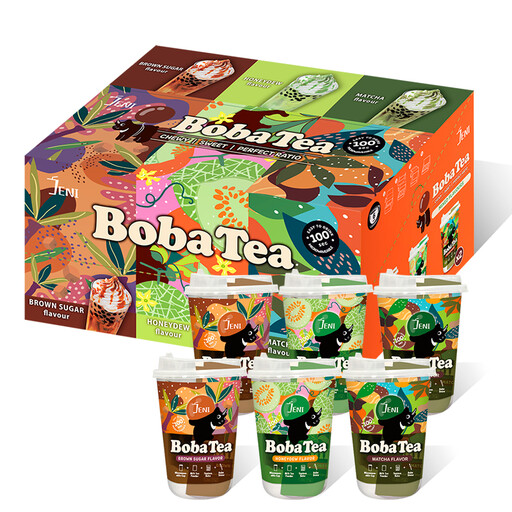
Why this suits the profile: The combination of matcha, honeydew and brown sugar gives you room to try out different preferences.
The box contains six cups with three named flavour options. So you don’t have to choose one large pack of a single flavour straight away.
Six cups; matcha, honeydew and brown sugar flavours; according to the product information, none of the 14 major EU allergens.
We’ve put together a full, up-to-date list of products that fully meet these strict selection criteria and current European safety regulations.
Follow the ratio on the packaging. For many powders, that’s one sachet with around 150 to 180 ml of hot water. Stir until the powder has dissolved. For a cold version, you can first use a smaller amount of hot water and then add ice, but only do this when the product instructions allow it.
Store unopened powder products in a cool, dry place away from direct sunlight. Seal an opened pack tightly and check the best-before date on the packaging. It’s best to use an opened sachet straight away. A ready-to-drink milk tea should be refrigerated after opening, according to the label, and consumed within the stated time.
That depends on the number of servings, the amount of topping and the purchase price. A large pack of milk tea powder can work out cheaper per cup, while a small kit offers more ingredients and convenience. Calculate the price by dividing the total price by the number of sachets, cups or complete kits. That way, you can fairly compare a simple Japanese milk tea with a milk tea that includes tapioca pearls.
