
Vandaag of morgen in huis

Kwaliteit gegarandeerd

Welkomstaanbiedingen ontgrendelen: GRATIS bezorging | Tot 80% korting | Gratis 30 dagen JoyPlus-proefperiode
Download de app
A sachet of instant milk tea might seem simple: add water, stir, and you're done. But products vary widely in flavour, portion size, toppings and ingredients. A sweet Taiwanese milk tea for on the go calls for a different choice than a large multipack for everyday use.
Pay particular attention to these three pitfalls:
Don’t just look at the total weight on the packaging. A 660 g box may contain 30 individual portions of 22 g each. That’s handy for the office, student houses or a store cupboard, but the recommended amount of water remains important.
Many individual portions require around 150 ml of water at a minimum of 85 °C. Other products use 150 to 180 ml or even 200 to 250 ml. If you prefer a less sweet taste, you can use a little more water, but the drink will then be less creamy.
The base of Asian milk tea can consist of black tea, oolong, green tea or matcha. A product with black tea and oolong generally has a recognisable tea aroma. Jasmine milk tea places more emphasis on a floral scent, while taro milk tea is focused on a sweet, creamy flavour.
Pay attention to the difference between real tea ingredients and flavourings. Some varieties, for example, list a percentage of instant black tea, oolong, jasmine tea or matcha on the label. With other products, the flavour comes mainly from aromas. That doesn’t automatically make a product good or bad, but it does help to set the right expectations.
Check when buying:
Nutritional values vary per product and are usually given per 100 g. So don’t just compare figures between packages; also look at the actual portion size.
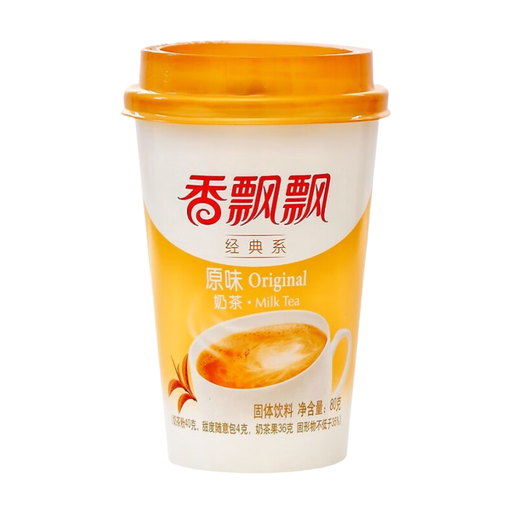
Why this fits the profile: The cup contains milk tea powder, a sugar sachet and coconut jelly. You just add hot water, so you can make bubble tea at home without any extra ingredients.
The toppings and sugar sachet are packed separately. This means you can decide the sweetness and amount of coconut jelly yourself.
80 g portion, classic flavour and a ready-to-use topping in the same cup.
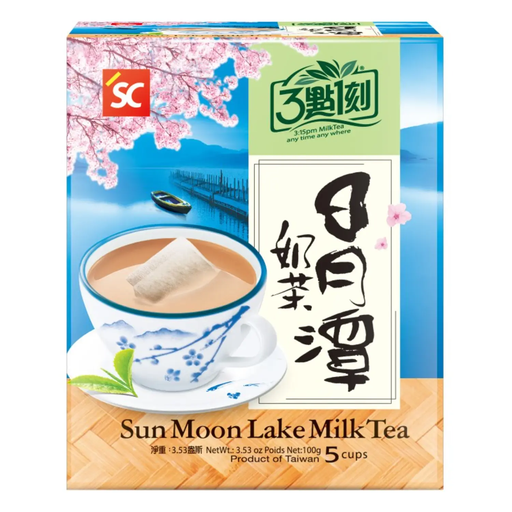
Why this fits the profile: The blend contains black tea and oolong tea. That suits anyone looking for a more pronounced tea profile alongside the sweetness.
The product description explicitly mentions the tea components: 15% black tea and 4% oolong tea. Always check the current label, though.
Combination of black tea and oolong; dry powder form that’s easy to store.
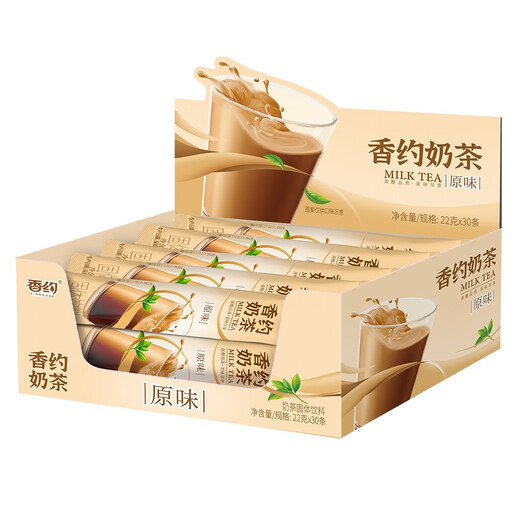
Why this fits the profile: With 30 individual sachets of 22 g each, this is practical for daily use, an office stash or sharing with housemates.
The portions are pre-measured. This means you don’t have to weigh out powder each time or store an opened large pack for long.
30 individual portions, preparation with 150 ml hot water and a 660 g pack.
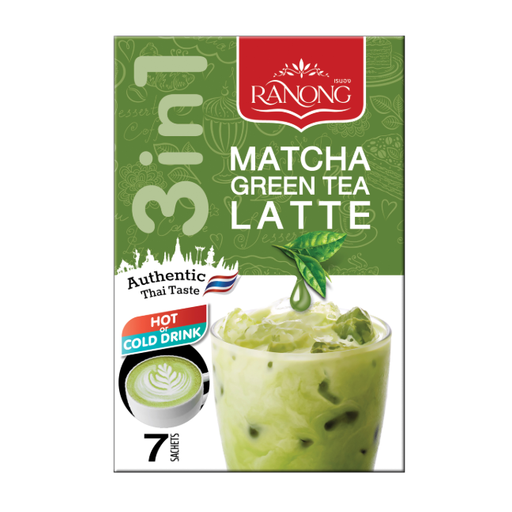
Why this fits the profile: This mix is designed for matcha latte and contains, according to the product information, 9.7% matcha green tea powder and 26.5% full cream milk powder.
The matcha content is stated in the product information. This allows you to compare a marketing name with the actual ingredients list.
Matcha latte flavour, milk powder and a dry mix you prepare with hot water.
We’ve put together a full, up-to-date list of products that fully meet these strict selection criteria and comply with current European safety regulations.
For a hot drink, you’ll usually follow the water and temperature advice on the packaging. A common method is:
For milk tea with tapioca, check whether the tapioca pearls are already in the cup. With JENI PLAYB Bubble Tea Cups, the tapioca pearls are part of the packaging. They are available in flavours including matcha and honeydew. With young children, be aware of the choking hazard posed by pearls and other toppings.
You can with products whose packaging allows cold preparation. First dissolve the powder in a smaller amount of hot water, then add ice. This prevents lumps. Not every ready-to-drink milk tea is intended for cold preparation, so check the label.
The best-before date is on the packaging. Store unopened products in a dry place away from direct sunlight. After opening, it’s important to seal tightly, as moisture can make the powder clump. Prepared milk tea is best drunk straight away.
Not always. Instant milk tea usually refers to the powder or the ready-to-drink beverage. Bubble tea is a broader drink category where toppings such as tapioca, coconut jelly, pudding or red beans are added. A plain sachet of milk tea powder can therefore be drunk without a topping, whereas a bubble tea cup may contain several sachets.
