
Vandaag of morgen in huis

Kwaliteit gegarandeerd

Welkomstaanbiedingen ontgrendelen: GRATIS bezorging | Tot 80% korting | Gratis 30 dagen JoyPlus-proefperiode
Download de app
An instant matcha latte sounds simple enough: powder in a cup, hot water on top, and stir. Yet products vary widely in ingredients, portion size, sweetness, and preparation. If you only look at a green packet or words like “premium”, you could end up with a sweet milk tea where the matcha flavour is barely recognisable.
When choosing instant matcha latte powder, watch out for three common pitfalls:
Ingredients are listed in descending order by quantity. If sugar or creamer appears before matcha green tea powder, the finished drink will likely have a sweet and creamy profile where the tea is less prominent.
A matcha powder for latte may contain green tea alongside matcha. That isn’t necessarily a problem, but it gives a different flavour profile from a mix where matcha is clearly listed as a separate ingredient. With products containing milk powder, you also need to consider the milk allergen.
Also check the difference between:
Individual portion packs are handy for the office, school, or on the go. You always use the same amount and don’t need to carry a measuring spoon. With a larger pack, you can adjust the strength, water quantity, and addition of milk yourself.
Preparation instructions vary. Many products use around 150 ml of hot water, but some ask for 150 to 180 ml. Too much water can dilute the flavour. For a cold matcha latte, first dissolve the powder in a small amount of hot water, then add cold milk or ice.
Follow the pack when it specifies a particular water temperature. Some milk tea products recommend water of at least 85 °C.
A vegan matcha latte contains no milk derivatives. Don’t just look for the word “vegan”; also check the ingredients list and allergen information. A plant-based creamer may be based on glucose syrup and vegetable oil, whereas a standard creamer can contain sodium caseinate from milk.
Also compare the sugar content per serving. Instant drinks often contain sugar or sweetener. A product with 42 to 68 grams of sugar per 100 grams of powder can taste noticeably sweet per prepared serving. This is especially relevant if you prepare a matcha drink or instant milk tea daily.
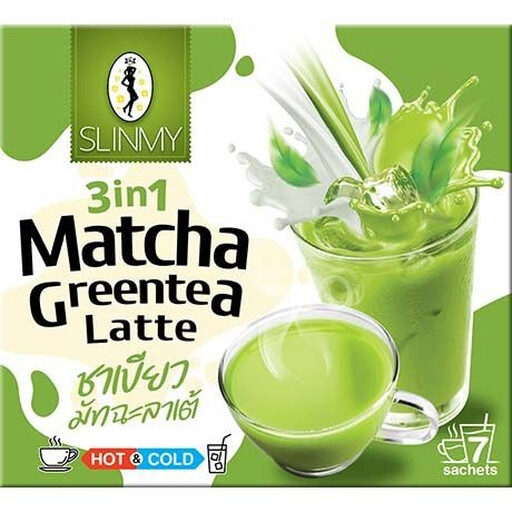
Why this fits the profile: The 161 g pack is manageable for anyone wanting to try an instant matcha latte without buying a bulk bag straight away. The product information states 8% green tea and 8.7% whole milk powder.
The ingredients and nutritional values are listed, so you can check the amount of green tea, milk powder, and sugar rather than relying solely on the product name.
Made with a blend of green tea, milk powder, and sugar; allergen information lists milk.
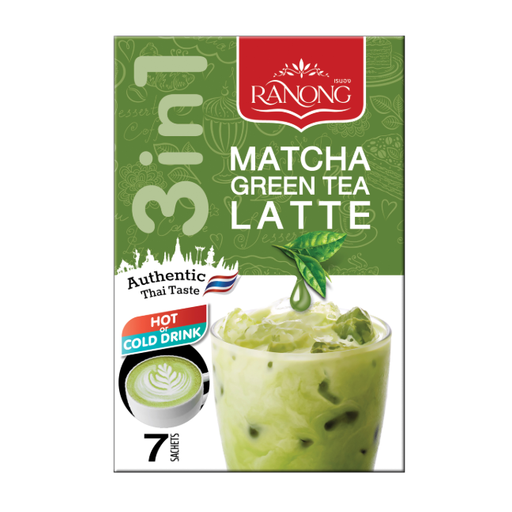
Why this fits the profile: According to the product description, this mix contains 9.7% matcha green tea and 26.5% whole milk powder. That makes the composition clearly identifiable for shoppers who pay closer attention to ingredient percentages.
The stated percentages help prevent you from buying a product where matcha is only mentioned as a general flavour reference.
9.7% matcha green tea; 26.5% whole milk powder; can be prepared with hot water.
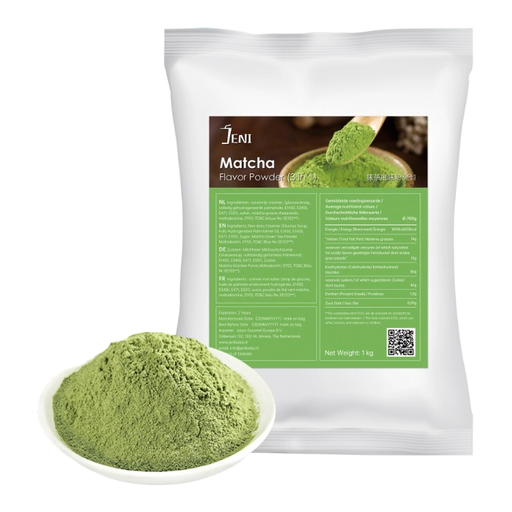
Why this fits the profile: The 1 kg bag is aimed at frequent use, for example at home, in the office, or when making several milk tea drinks. According to the preparation instructions, you use 3 tablespoons of powder with 150 ml of hot water or jasmine tea.
The instructions separately mention creamer and fructose syrup. This means you can adjust the creaminess and sweetness rather than being stuck with one pre-set ratio.
1 kg content; suitable for milk tea; according to the product information, free from the 14 main EU allergens.
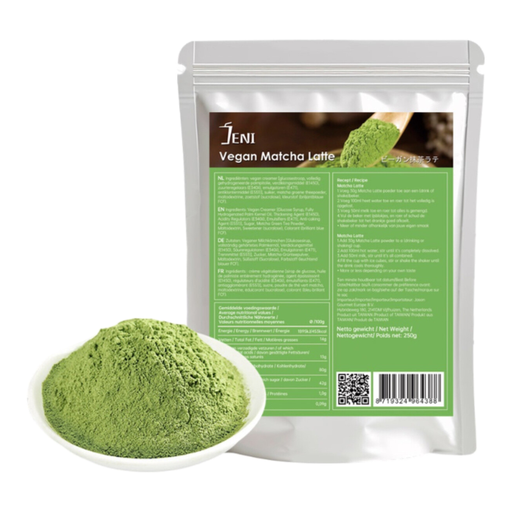
Why this fits the profile: The product description mentions a vegan creamer and preparation with hot water or plant-based milk. That suits consumers who want to avoid milk derivatives.
The product information explicitly mentions vegan creamer and none of the 14 main EU allergens. Always check the current packaging before purchase though.
250 g pack; vegan creamer; can be prepared with water or plant-based milk.
We’ve put together a full, up-to-date list of products that fully meet these strict selection criteria and comply with current European safety regulations.
Use a simple basic ratio:
For a milk tea variation, you can use jasmine tea or black tea instead of just water. Check whether the powder already contains sugar and creamer. Extra syrup is usually not needed then.
Start with a small amount of hot water and stir the powder into it until you have a smooth paste. Then gradually add the rest of the water or milk. For a cold drink, this method works better than mixing the powder directly with cold milk.
The best-before date is on the packaging. Store the powder in a cool, dry place away from direct sunlight. Seal an opened bag tightly and avoid contact with moisture. Individual portion packs are practical because each sachet is sealed separately.
No. Some varieties contain milk powder, whey, or sodium caseinate. Only choose a vegan matcha latte when the ingredients and allergen information support that. Recheck the packaging if the recipe or supplier changes.
