
Vandaag of morgen in huis

Kwaliteit gegarandeerd

Welkomstaanbiedingen ontgrendelen: GRATIS bezorging | Tot 80% korting | Gratis 30 dagen JoyPlus-proefperiode
Download de app
A cupboard stocked with instant drink mixes and milk powder is a handy way to enjoy quick coffee, tea, breakfast or recipes. Yet many packets look very similar. A large box might be mostly sugar, while a product with small individual sachets can work out surprisingly expensive per serving. Terms like “authentic flavour”, “rich in calcium” or “creamy” are also not always clearly explained.
So before you buy, watch out for three common pitfalls:
With an instant soluble drink mix, the ingredients largely determine what you are buying. A three-in-one milk tea, for example, may consist mainly of creamer and sugar, with only a small amount of tea. According to the product information, Goldkili Milk Tea contains 80% creamer powder, sugar and 7% soluble tea. The nutritional value is 60 g of sugar per 100 g.
The difference is also significant with instant tea. The Instant Thai Tea Mix (210 g) lists sugar, creamer powder, black tea extract or powder, milk powder, flavourings and colourings. According to the product information, a 20 g serving contains around 11 g of sugar and 90 kcal.
So always read:
For products with health or nutrition claims, remember: do not automatically assume a claim means proven benefits. Check the packaging and the permitted information under European regulations.
A product may look cheap per packet but work out more expensive per cup. So compare:
For the Starbucks Matcha Latte, you get four sticks of 24 g each. The product information states that one stick is prepared with boiling water. With Soyspring Soybean Drink Powder, a pack contains 150 g, divided into six sachets. Each sachet recommends 150 to 200 ml of hot water.
Also pay attention to the temperature. Some powders dissolve better in water of at least 80 °C, while others should first be mixed with a little lukewarm water to prevent lumps. Always follow the instructions on the actual packaging.
For milk powder, the fat content is a practical factor when choosing:
With large packs, check whether you can use the product within the recommended period after opening. Store instant coffee, tea and drink mixes in a cool, dry place and keep them tightly sealed. For some milk powders, the product information states that refrigerated storage is needed after opening. Always follow the best-before date and instructions on the packaging.
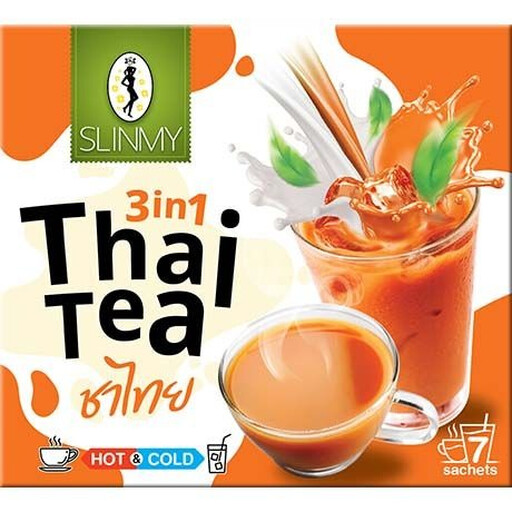
Why this fits the profile: An easy entry point for anyone who wants to make Thai tea at home without measuring out loose tea, milk and extra ingredients.
The product information states a net weight of 210 g and nutritional values per serving, so you can assess the sugar and serving size in advance.
Instant preparation; contains black tea according to the product description; suitable for a quick hot drink.
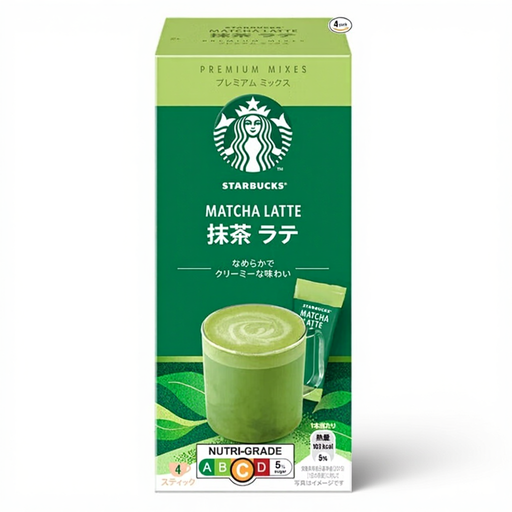
Why this fits the profile: Ideal for anyone who wants to try matcha latte in pre-portioned servings and values a clear origin: Japan.
The box contains four individual sticks of 24 g each, so you do not have to measure out a large amount of powder yourself.
Four servings; matcha powder and milk ingredients listed in the ingredients list; prepared with boiling water.
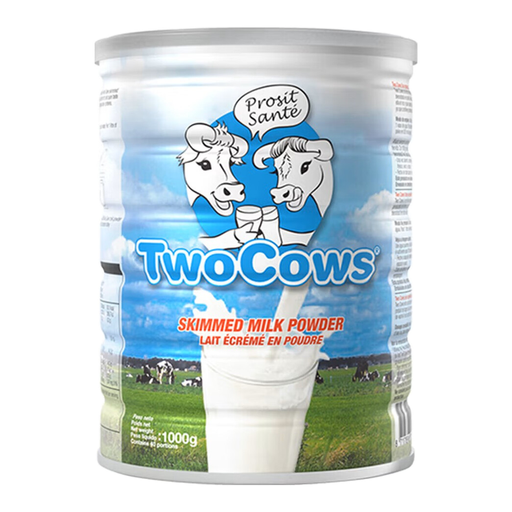
Why this fits the profile: A 1 kg bag suits households that use milk powder regularly in drinks, desserts, cooking or baking.
The product information states 100% skimmed cow's milk and gives a dosing guideline of 10–12 g per 100 ml of water.
1 kg content; 0.7 g fat per 100 g according to the product information; suitable for hot and cold preparation.
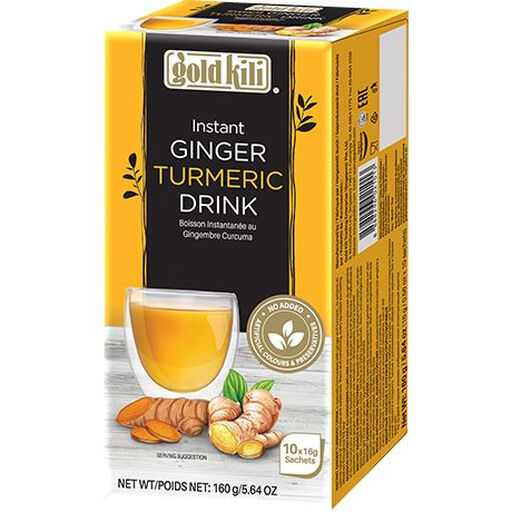
Why this fits the profile: A practical choice for anyone who wants to try a sweet ginger and turmeric drink from international cuisine, alongside instant coffee and tea.
The ingredients list 10% ginger extract and 10% turmeric extract. The product information also states 94 g of sugar per 100 g.
160 g content; none of the 14 major EU allergens according to the product information; quick to prepare.
We have put together a full, up-to-date list of products that fully meet these strict selection criteria and comply with current European safety regulations.
That depends on the serving size, packaging and preparation method. Compare the price per 100 g and per prepared serving. A bulk pack of milk powder can work out good value with regular use, while sachets mainly offer convenience. Also look at the sugar, creamer and any extra ingredients.
The unopened shelf life is stated on the packaging. After opening, the powder must be stored dry, sealed and according to the instructions given. Some products require refrigerated storage after opening. Always use the information on the specific label and check whether the powder has changed in smell, colour or texture.
You can with products whose description indicates this. Whole milk powder is often used for a creamier taste in coffee, milk tea, sauces and desserts. Skimmed milk powder can be used in drinks and baking recipes. Dissolve the powder first according to the recommended ratio for an even result.
