
Vandaag of morgen in huis

Kwaliteit gegarandeerd

Welkomstaanbiedingen ontgrendelen: GRATIS bezorging | Tot 80% korting | Gratis 30 dagen JoyPlus-proefperiode
Download de app
An instant drink mix might seem straightforward: powder in a mug, add hot water, and you’re done. Yet products vary widely in composition, portion size, preparation and shelf life. If you only look at the front of the packet, you could end up with a drink that’s too sweet, doesn’t dissolve properly, or isn’t really suited to everyday use.
Joybuy Product Recommendation Officer is here to help you assess the key differences. Not based on big marketing claims, but on ingredients, nutritional values, allergens, pack size and preparation instructions.
A 838-gram pack might look appealing, but check how much of that actually makes up the portions. With several Family Whole products, you’re looking at 700 grams of drink or breakfast powder plus 138 grams of pure glucose. That’s easy to work out when you count the portions: often 20 sachets of 35 grams, plus two sachets of glucose.
With a product that doesn’t have individual sachets, you’ll need to measure it yourself. That can work out cheaper for heavy use, but it requires more care when sealing and storing.
A milk tea or matcha latte can contain a fair amount of sugar, creamer or vegetable fat, and only a limited proportion of tea or matcha. Gold Kili Milk Tea, for example, lists 7% soluble tea and a creamer as the main ingredient. The nutritional information per portion is therefore more important than the product name alone.
With milk powder, you also need to distinguish between full-cream milk powder and skimmed milk powder. Two Cows Skimmed Milk Powder states 0.7 grams of fat and 33 grams of protein per 100 grams. The full-cream version contains 28% fat according to the product information.
Terms like collagen, calcium, fibre or “breakfast” don’t automatically make a product suitable for every diet. Check the full ingredients list and nutritional information table. For example, Slinmy Instant Coffee Mix with Collagen states it contains collagen from fish and the product contains milk. That’s relevant if you have allergies or avoid certain ingredients.
Read the ingredients in the order they appear on the label. The first ingredients usually make up a large part of the product. With instant tea, instant coffee and milk tea, look out for sugar, creamer and the actual proportion of coffee or tea.
Also check for allergens such as:
EU rules on food information require allergens to be clearly stated. Always check the packaging too, because product information online can change.
Don’t just compare per 100 grams. A portion could be, for example, 16, 18, 20, 24 or 35 grams. Goldkili Instant Ginger Turmeric Drink contains approximately 64 kcal and 15 grams of sugar per 16-gram sachet, according to the product information provided. Gold Kili Milk Tea contains approximately 80.6 kcal and 10.8 grams of sugar per 18-gram portion.
With a drink mix that includes glucose sachets, you can adjust the sweetness yourself, but pure glucose is mostly carbohydrates. So use the portion size and your overall diet as a guide.
A good instant drink mix should suit how you intend to use it. For the office or on the go, individual sachets are handy. For daily use at home, a 900-gram tub of milk powder can be more efficient.
Look out for:
With the Family Whole breakfast powders, approximately 175 ml of boiling water per sachet is recommended. The lotus root products can, according to the instructions, be mixed first with about 20 ml of warm water and then topped up with boiling water. Follow the instructions on the packaging to avoid lumps.
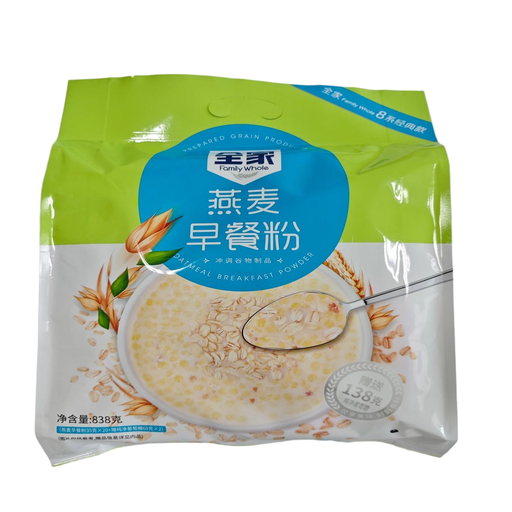
Why this fits the profile: The 20 individual sachets make it easy to prepare a breakfast powder or grain powder without needing a measuring cup.
The ratio is clearly stated: one 35-gram sachet with approximately 175 ml of boiling water. The glucose is separate and doesn’t have to be added automatically.
20 portion sachets, 20% oats according to the product information, and a total weight of 838 grams including glucose.
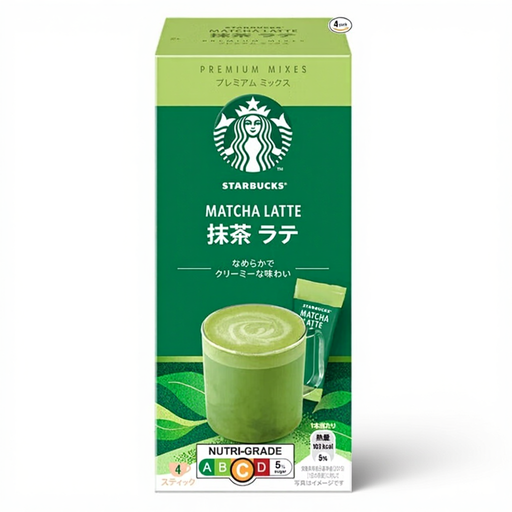
Why this fits the profile: The four sticks are ideal when you want to make a matcha latte every now and then without weighing out individual ingredients.
The portions are pre-divided. The ingredients list includes sugar, milk powders and dextrin alongside matcha powder, so you can weigh up the composition.
96 grams divided across four sticks; according to the product information, each portion is prepared with boiling water.
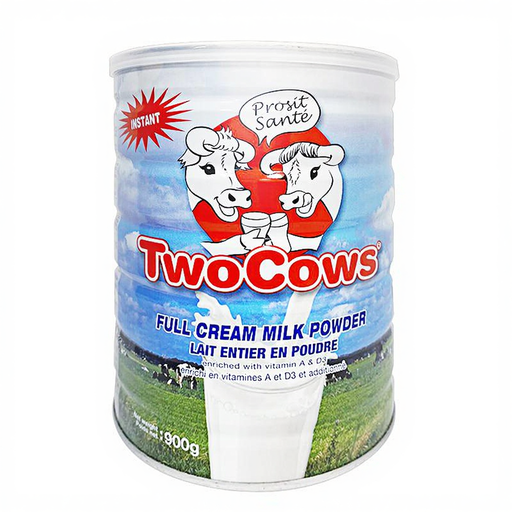
Why this fits the profile: The 900-gram pack suits households that regularly use milk powder for drinks, baking, sauces or desserts.
The preparation ratio is specific: 130 grams of powder with 900 ml of water to make approximately 1 litre of milk. This product is not infant formula.
28.2 grams of fat and 25.7 grams of protein per 100 grams according to the product information; suitable for hot and cold use.
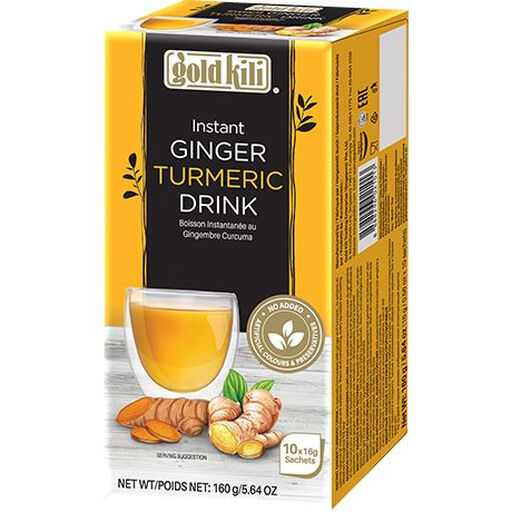
Why this fits the profile: This ginger and turmeric drink offers a quick way to prepare a warm beverage with a distinctive flavour.
The composition is straightforward: sugar, 10% ginger extract and 10% turmeric extract. None of the 14 main EU allergens are listed.
160 grams packed for easy use; the product information states approximately 64 kcal per 16-gram sachet.
We’ve put together a full, up-to-date list of products that fully meet these strict selection criteria and comply with current European safety regulations.
Use the amount of water stated on the packaging. With some breakfast powders, it works well to add a little warm water first and stir the powder until smooth. Then add the rest of the boiling water. With instant coffee and simple instant tea, mixing directly is usually enough.
That varies by product. Store the powder in a cool, dry place, seal the packaging properly and follow the best-before information on the label. Sachets generally stay better protected from moisture than an opened large pack. Don’t use a product if the packaging is damaged or the powder feels damp and smells unusual.
That depends on the portion size, the water or milk used, and the composition. A large pack of milk powder can be practical for regular use. A milk tea or matcha latte in individual sticks saves preparation time, but often contains creamer and sugar. So compare the price per portion and the nutritional value, not just the price on the packaging.
