
Vandaag of morgen in huis

Kwaliteit gegarandeerd

Welkomstaanbiedingen ontgrendelen: GRATIS bezorging | Tot 80% korting | Gratis 30 dagen JoyPlus-proefperiode
Download de app
Want to make a quick coffee without a machine, measuring spoon or loose packaging? With instant coffee sticks, you get a pre-measured portion of instant coffee in every sachet. It’s a practical solution for home, the office, travelling or on the go.
However, coffee sachets vary widely in composition, flavour and preparation method. A creamy cappuccino stick, for example, often contains sugar and milk powder, whereas espresso sticks are usually made from pure instant coffee. So don’t just rely on the flavour description on the front of the pack.
Words like cappuccino, latte or mocha mainly describe the flavour profile. With some 3-in-1 coffee products, a large part of the mix consists of sugar, creamer or maltodextrin. Nescafé 3-in-1 Smooth & Rich, for instance, lists 7.6% instant coffee and 53% sugar in the ingredients list.
If you’re after a pronounced coffee taste, it’s better to choose a product with pure instant coffee or a higher stated coffee percentage.
A latte macchiato instant coffee or cappuccino stick may contain milk powder, milk proteins, lactose, vegetable fats and stabilisers. This gives a softer texture, but it doesn’t automatically make the product suitable for anyone with a milk allergy or lactose intolerance.
Always check the allergen declaration. The recipe can vary from product to product, even when the preparation method is similar.
The recommended amount of water varies:
More water makes the drink milder; less water gives a more concentrated flavour. Always follow the instructions on the pack before adjusting the ratio.
For black coffee without added sugar or creamer, sticks with 100% coffee powder are a logical choice. SLAB TOWN American Freeze-Dried Instant Coffee lists coffee powder as the only ingredient. Nescafé Gold Instant Coffee lists instant coffee and, according to the product information, contains none of the 14 major EU allergens.
With 3-in-1 coffee, coffee, creamer and sugar are already combined. That’s handy for a quick preparation, but you can’t adjust the sweetness or the amount of milk separately. Trung Nguyen G7 3-in-1 contains coffee, creamer and sugar in 16 g portions and lists milk protein as an allergen.
Not every pack states an exact amount of caffeine. If it only says the product is a source of caffeine, use that information as a guide and follow the warnings on the label.
For a caffeine-free option, Nescafé Gold Cappuccino Unsweetened Decafe is a possibility. The product information lists caffeine-free instant coffee and preparation with 150 ml of hot water. The product does contain milk ingredients; check the pack for the latest allergen information.
A box of 25 espresso sticks might look good value at first glance, but each portion contains just 1.8 g. A box of 20 latte or 3-in-1 sachets can contain 16 to 22 g per portion. So compare:
For daily use at the office, a larger box may be more practical. For trying a new flavour, a smaller pack is easier to manage.
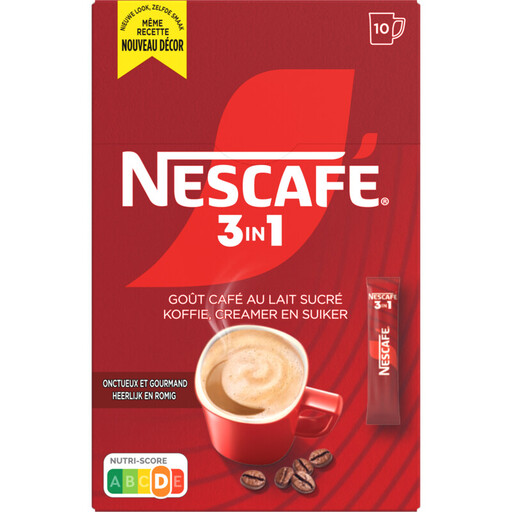
Why this fits the profile: The sticks combine coffee, creamer and sugar. Add around 150 ml of hot water per sachet for a consistent, simple preparation at home or on the go.
The product information states the preparation amount and ingredients, including 7.6% instant coffee and milk ingredients. This lets you assess the composition in advance.
10 portions; coffee, creamer and sugar in one sachet; no coffee machine needed.
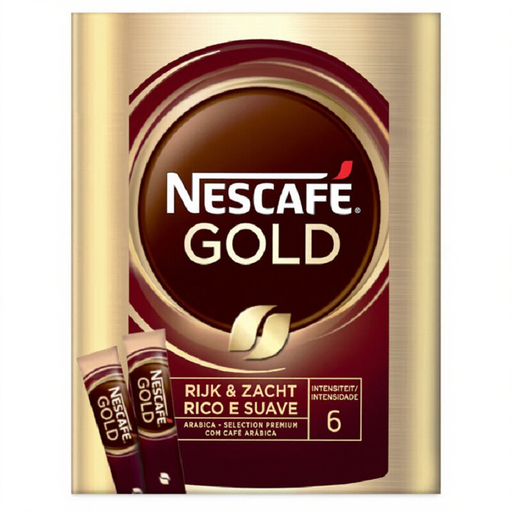
Why this fits the profile: The portions are designed for black instant coffee. According to the product description, finely ground Arabica coffee beans have been added to the instant coffee.
The ingredients list states instant coffee with no sugar or creamer. This means you know you’re adding your own milk or sugar.
25 portions; no added creamer in the listed ingredients; according to the product information, none of the 14 major EU allergens.
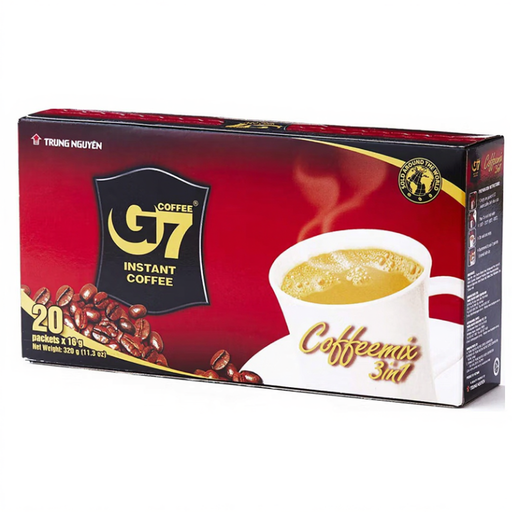
Why this fits the profile: This Vietnamese coffee comes in 20 sachets of 16 g each. That makes it suitable for stocking up at home, in the office or for coffee on the go.
The product details explicitly mention coffee, creamer and sugar, plus milk protein as an allergen. The buyer can therefore check the 3-in-1 composition in advance.
20 portions; Vietnamese 3-in-1 coffee mix; preparation with just hot water.
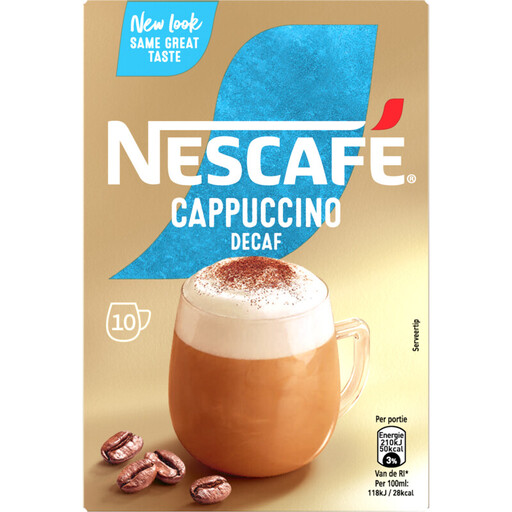
Why this fits the profile: The product description mentions caffeine-free instant coffee, milk powder and preparation with 150 ml of water. This makes it a good choice for a coffee moment without regular caffeine.
The variant clearly states caffeine-free coffee in the product information. Always check the current label and allergen declaration before purchasing.
10 sticks; cappuccino style; can be prepared without a coffee machine.
We’ve put together a full, up-to-date list of products that fully meet these strict selection criteria and comply with current European safety regulations.
Open a stick, pour the powder into a cup and add the recommended amount of hot water. Stir until the powder has dissolved. For espresso sticks, this is often around 60 ml; for latte, cappuccino and 3-in-1 coffee, it’s usually 120 to 150 ml. For some variants, don’t use boiling water – follow the instructions on the pack.
The best-before date is printed on the pack. Store unopened sticks in a dry, cool place away from direct sunlight. An individual sachet protects the powder from moisture, but don’t use a stick if the packaging is damaged. Once opened, it’s best to prepare the powder straight away.
That depends on the price per portion, the number of grams of coffee and the variant you choose. Compare the total price with the number of sticks and also look at the recommended amount per cup. 3-in-1 coffee is practical because sugar and creamer are already added; pure instant coffee can work out cheaper if you dose your own water, milk and sugar.
