
Vandaag of morgen in huis

Kwaliteit gegarandeerd

Welkomstaanbiedingen ontgrendelen: GRATIS bezorging | Tot 80% korting | Gratis 30 dagen JoyPlus-proefperiode
Download de app
Whether you're at home, in the office, or on the move, making coffee without a coffee machine is easy with instant coffee sticks – you usually just need a mug and hot water. Yet many products look similar, while the differences in taste, ingredients, serving size and preparation can be surprisingly significant.
Watch out for three common pitfalls:
Ingredients are listed in descending order by quantity. If sugar appears near the top, you’re looking at a sweet coffee mix rather than pure instant coffee. With coffee sachets that contain only instant coffee, the ingredients list is much shorter.
A few examples:
Also check for allergens. A product description may give general information, but the packaging is the final authority. If milk powder, lactose, milk proteins or sodium caseinate are listed, you need to be aware of milk as an allergen. Some product pages don’t mention any of the 14 major EU allergens, even though the ingredients list includes milk components. Always check the current label before use.
If you want coffee with milk and sugar without adding separate ingredients, 3-in-1 coffee can be a convenient choice. The downside is that one sachet can contain a relatively high amount of sugar. For example, NESCAFÉ 3in1 Smooth & Rich states 6 grams of sugar per serving according to the nutritional information provided. Kopiko Brown Coffee contains sugar, creamer and brown sugar in its composition.
Prefer to control the sweetness yourself? Then choose:
Also check the packaging for sweeteners. AGF Blendy stick varieties may contain aspartame and acesulfame-K, among others. That’s not a problem for every user, but it’s information you’ll want to check in advance.
The right ratio affects the flavour more than many people expect.
Ideally, use hot water that isn’t fully boiling, unless the packaging says otherwise. Stir well and add slightly less water at first. You can always top it up afterwards. This is especially handy with coffee sticks for on the go, when you don’t always have a measuring cup to hand.
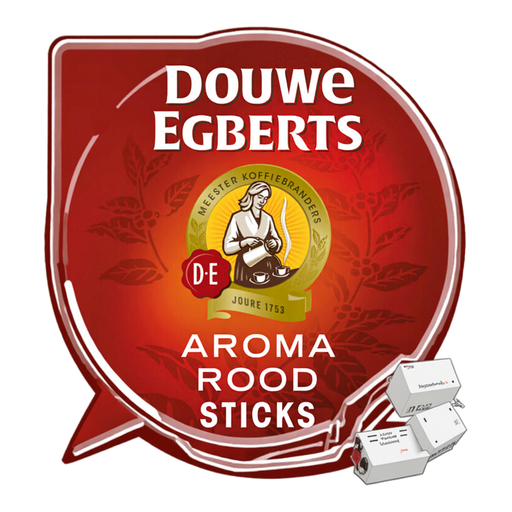
Why this fits the profile: A box contains 25 individually wrapped sticks of instant coffee. That’s practical for daily use at home, in the office or on the go.
The ingredients list states instant coffee, with no sugar or creamer mentioned in the product information. So you decide whether to add milk or sugar yourself.
25 servings per box; preparation with hot water; no coffee machine needed.
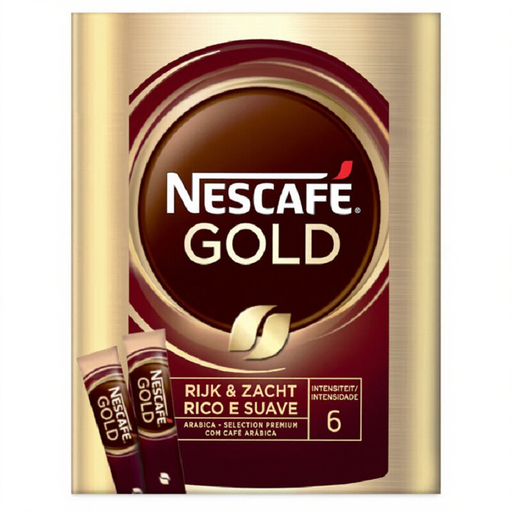
Why this fits the profile: These sticks contain instant coffee and are offered in 1.8 gram servings. Handy if you value a short ingredients list and individual dosing.
No milk powder, sugar or creamer are listed in the ingredients. The flavour therefore isn’t automatically sweet or milky.
25 individual sticks; only instant coffee according to the product information; suitable for adding your own milk or sugar.
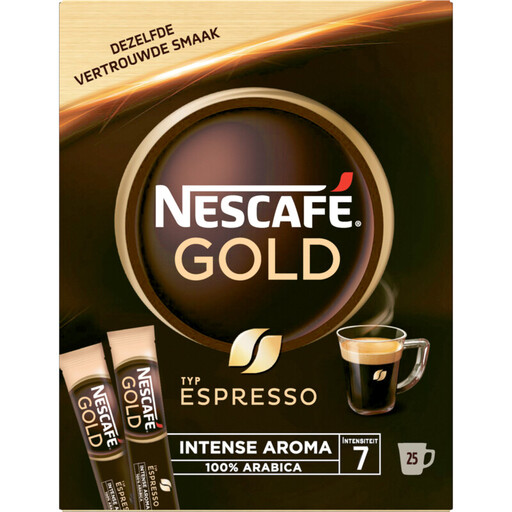
Why this fits the profile: The sticks are designed for a small cup of espresso-style coffee. According to the instructions, you add 60 ml of hot water per stick.
The recommended amount of water prevents you from diluting a small serving with too much water.
25 sticks; 1.8 grams per serving; suitable for espresso without a machine.
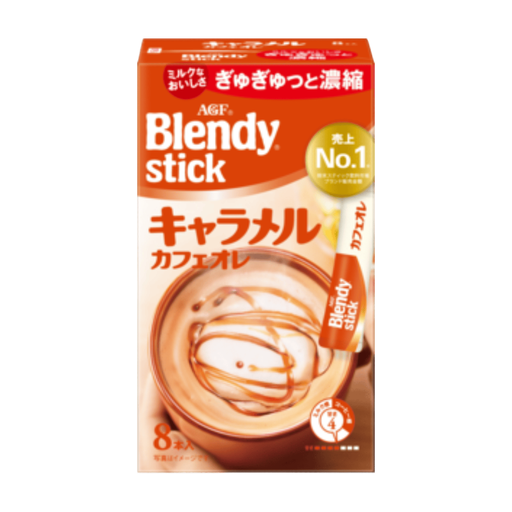
Why this fits the profile: The mix contains cream powder, caramel powder, sugar and instant coffee. That makes it a good fit for anyone wanting to try a creamy caramel variant.
The flavour direction and composition are clearly described. You’re consciously choosing caramel café au lait rather than a random coffee mix.
8 individually wrapped sticks; caramel and café au lait flavour; easy preparation with hot water.
We’ve put together a full, up-to-date list of products that fully meet these strict selection criteria and comply with current European safety regulations.
Tear open one stick and pour the contents into a mug. Add the amount of hot water stated on the packaging and stir until the powder has dissolved. Use around 60 ml for an espresso stick and roughly 150 ml for many latte or 3-in-1 varieties. Only add milk, sugar or a plant-based alternative if you want to.
The best-before date is printed on the packaging. Store sticks in a cool, dry place away from direct sunlight. Leave unopened sachets in their original box if possible. Don’t use a stick if the packaging is damaged or if the powder appears damp and clumped together.
That depends on the number of cups, the price per pack and the preparation method you prefer. Work out the price per stick by dividing the purchase price by the number of servings. Also factor in the electricity, maintenance and cleaning of a coffee machine. For occasional use, instant coffee sticks can be practical; for daily use, a larger pack is often better value per cup.
