
Vandaag of morgen in huis

Kwaliteit gegarandeerd

Welkomstaanbiedingen ontgrendelen: GRATIS bezorging | Tot 80% korting | Gratis 30 dagen JoyPlus-proefperiode
Download de app
Making a cup of coffee without a coffee machine is easy, but not every instant coffee suits every situation. Are you looking for a mild coffee to enjoy at home, individual portions for when you’re out and about, or a strong espresso for the office? The difference isn’t just down to the brand or packaging. Ingredients, serving size and preparation method all matter too.
As Joybuy Product Recommendation Officer, I focus on information on the label that you can verify. This helps you avoid paying simply for attractive packaging or a vague promise of great flavour.
3-in-1 coffee is a ready-made mix of coffee, sugar and creamer. It’s convenient, but it isn’t the same as black instant coffee. For example, the ingredients list for NESCAFÉ 3-in-1 Smooth & Rich lists sugar as the main ingredient, at 53%. According to the product information, a prepared 150 ml serving contains 6 grams of sugar.
If you’d rather add your own milk or plant-based alternative, choose pure instant coffee, such as Nescafé Gold, or a coffee concentrate without sugar.
Arabica instant coffee can be a useful factor when choosing what to buy, but the flavour also depends on the roast, preparation and serving size. Product descriptions sometimes mention a smooth, rich or aromatic flavour. These are descriptive marketing terms, not a guarantee.
Look for specific details: does it say 100% Arabica, or just “with added Arabica”? Nescafé Gold is described as being made with selected Arabica beans. According to the product description, Luckin Genki Ball 2.0 contains freeze-dried Arabica coffee.
Instant coffee sticks and sachets are handy for work, travel and camping. A jar is usually a better choice for everyday use at home. Pay attention to the amount of water, too. An espresso stick is intended for around 60 ml of water, while many standard sticks are designed for about 150 ml. Add too much water and your coffee will be milder than intended.
For black coffee with no added sugar, choose a product whose ingredients list contains only instant coffee. Nescafé Gold 200 g and Nescafé Gold 50 g are described on their product pages as instant coffee that is free from the 14 main EU allergens.
For 3-in-1 varieties, check:
“Sugar-free” doesn’t automatically mean a product is unsweetened and completely pure. Always check the current packaging. When a product makes claims about its ingredients, the label is the definitive source.
A 1.8 or 2 gram serving is suitable for a small cup or espresso-style coffee. According to the product information, Nescafe Espressostick Instant Coffee recommends 60 ml of hot, not boiling, water. A standard cup is often made with around 150 ml.
Luckin Genki Ball 2.0 contains 18 sticks of 2 grams each. The product description recommends adding one sachet to around 150 ml of hot or cold water. According to the instructions, you can also add milk or a plant-based alternative to make a latte.
A jar is handy if you drink coffee every day at home, but make sure you seal it properly after use. Moisture and heat can affect the texture and aroma. Sticks are individually wrapped, making them easy to keep in a bag, drawer or office cupboard.
Store instant coffee in a cool, dry place, away from direct sunlight and heat sources, as indicated in the product information. Check the best-before date on the packaging. Coffee concentrates have different requirements: some varieties need to be refrigerated after opening or used straight away.
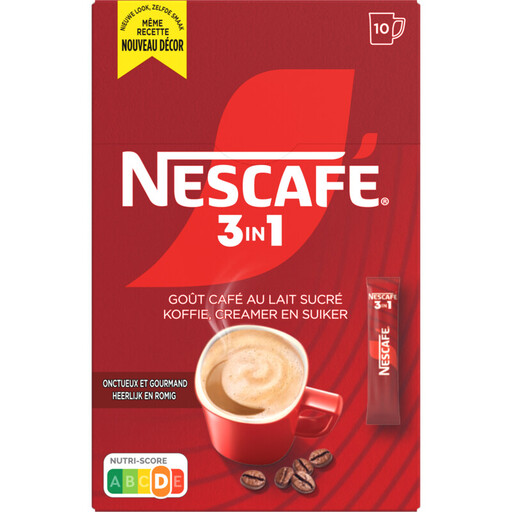
Why it suits this profile: A ready-made mix of coffee, creamer and sugar is an easy option if you want to get started without adding anything else. One sachet is intended for around 150 ml of hot water.
The ingredients and nutritional information are clearly listed. You know from the outset that the mix contains sugar and creamer.
10 individual sachets, quick to prepare and a consistent flavour in every cup.

Why it suits this profile: This jar is designed for regular use at home. According to the product description, the coffee is made with selected, lightly roasted Arabica beans.
The listed ingredients show that it’s pure instant coffee, with no sugar, creamer or flavourings.
A 200 gram supply, 0 grams of sugar per stated serving and easy to enjoy with milk.
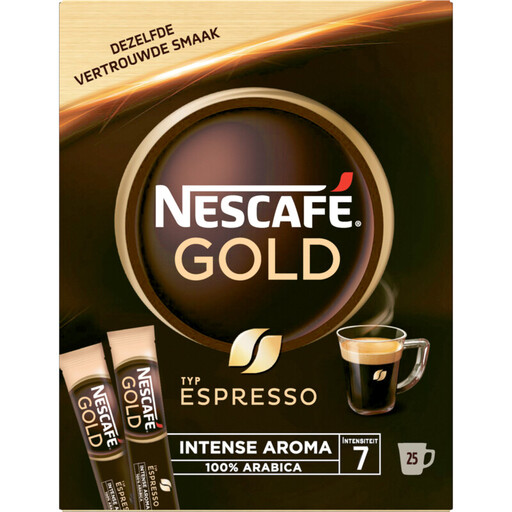
Why it suits this profile: The individually wrapped sticks are ideal for the office, travel or a quick coffee break without a coffee machine.
The recommended 60 ml serving helps you avoid accidentally diluting an espresso portion with too much water.
25 servings, 100% selected Arabica according to the product information, with no major EU allergens listed.
We’ve put together a complete, up-to-date list of products that meet these strict selection criteria and the applicable European safety requirements.
Add the recommended amount of coffee to a cup and pour in hot water. If possible, use water that isn’t boiling, especially for espresso sticks. Stir until the powder has fully dissolved. Check the packaging, as the recommended amount varies from around 60 ml for espresso to 150 ml for a standard cup.
Unopened instant coffee keeps until the date shown on the packaging. Once opened, it’s important to store it somewhere dry and keep it well sealed. Keep jars and sachets away from direct sunlight, moisture and heat. Opened coffee concentrate may come with additional storage instructions.
It depends on the brand, serving size and how you use it. Instant coffee doesn’t require a machine, filters or capsules. A jar can be convenient for everyday use, while sticks are particularly handy. Compare the price per cup, not just the price per pack.
