
Vandaag of morgen in huis

Kwaliteit gegarandeerd

Welkomstaanbiedingen ontgrendelen: GRATIS bezorging | Tot 80% korting | Gratis 30 dagen JoyPlus-proefperiode
Download de app
A jar of instant coffee might seem simple to choose, but the differences between instant coffee, espresso instant coffee, coffee concentrate and coffee sticks are significant. One variety is designed for a full mug of black coffee, another for a small espresso or a cold coffee drink. Sugar, milk powder and portion size also determine how much you ultimately pay and what ends up in your cup.
So pay particular attention to three common pitfalls:
Instant coffee in a jar is suitable when you drink several cups a day at home. You can adjust the strength with one or two teaspoons. A 200-gram jar is generally more practical for regular use than small sachets.
Coffee sticks contain a fixed portion. That's handy at the office, when travelling or if you don't want to carry a measuring spoon. Do check whether one stick is intended for 60 ml, 150 ml or 200 ml of water. That difference determines the final strength.
Espresso instant coffee is usually prepared with around 60 ml of hot water. Nescafé Espressostick, for example, states 1.8 grams of coffee per sachet and 60 ml of hot, not boiling, water. If you use more water, you'll end up with a regular black coffee rather than a compact espresso-style drink.
Coffee concentrate is liquid and can be mixed with water or milk. The Nescafé Espresso Concentrate Caramel 500 ml states 16 portions according to the product information. This variety contains sugar and has a caramel flavour. If you're specifically looking for sugar-free coffee, you need to check the label rather than relying on the flavour name alone.
For black coffee without additions, choose a product where the ingredients list only states instant coffee or coffee powder. Nescafé Gold 200 g contains instant coffee according to the product information and states 0 grams of sugar per prepared 2-gram portion.
With 3-in-1 coffee, pay extra attention to sugar, creamer and milk constituents. Kopiko Brown Coffee contains, according to the product information, sugar, non-dairy creamer and milk constituents. This gives a sweeter, creamier drink, but makes this variety different from sugar-free coffee.
With flavoured coffee, such as coconut, lemon or strawberry, look at the percentage of concentrate or powder. The Office Fish varieties, for example, state 5% coconut concentrate, 5% lemon concentrate or 5% strawberry concentrate, depending on the flavour.
Arabica coffee is often chosen for its milder taste and aroma, but the bean name alone doesn't accurately predict how your cup will taste. Roasting, roast level, drying method and dosage also play a part.
According to the product information, several varieties are made with 100% Arabica coffee, including Nescafé Gold, Nescafé Espresso and the Luckin Genki Ball. Douwe Egberts Aroma Rood uses, according to the product information, a blend of roasted Arabica and Robusta beans.
Also pay attention to the production method. Freeze-dried instant coffee is often sold as aromatic and quick-dissolving coffee. That's a product description, not a guarantee of a flavour everyone will enjoy. If you're unsure, it's better to try a small pack or individual portions.
An incorrect water amount is a common reason for a weak or overly strong cup. Use the preparation instructions as a starting point:
Store opened coffee in a dry, cool place away from direct sunlight. Seal a jar tightly, because moisture can cause clumping and flavour loss. Liquid concentrate may have different storage instructions after opening, so follow the label. For products with caffeine, such as some black coffee concentrates, also check the warnings on the packaging. According to the product information from Yongpu, the variety is not recommended for children or pregnant or breastfeeding women.
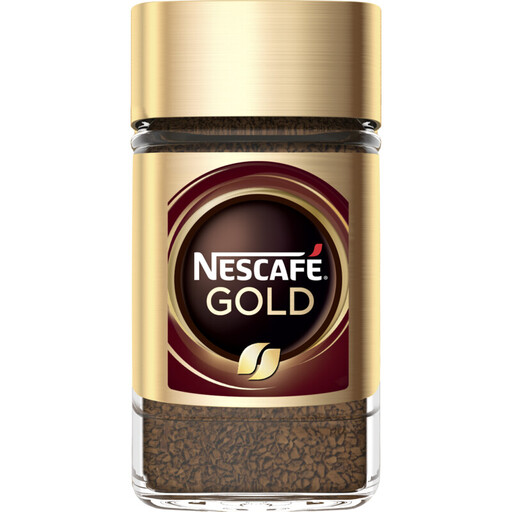
Why this fits the profile: A small jar is ideal for trying a flavour first without committing to a large stock. According to the product information, the coffee consists of instant coffee and the prepared portion contains no sugar.
The ingredients list is straightforward, so you won't accidentally buy a 3-in-1 variety with sugar and creamer.
50 grams, instant preparation and, according to the product information, none of the 14 main EU allergens.

Why this fits the profile: The larger jar suits households or workplaces where several cups of black coffee are made daily. According to the product information, this variety contains carefully selected, lightly roasted Arabica coffee beans.
You're buying a pure instant coffee rather than a flavoured or sweetened mix with a different composition.
200 grams, according to the product information 0 grams of sugar per portion and suitable for adjustable dosing.
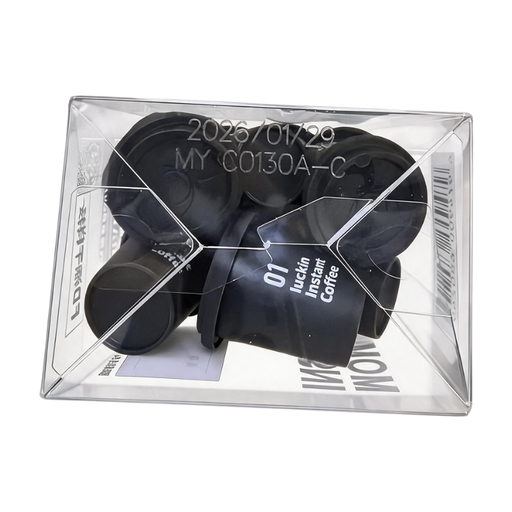
Why this fits the profile: The five individually wrapped 2-gram sticks are handy for commuting, the office or travelling. According to the product information, you can mix them with around 150 ml of warm or cold water.
The fixed dosage prevents you from using too much or too little powder on the go; plus, an opened jar won't travel well in your bag.
Five portions, Arabica according to the product information and 0 grams of added sugar and fat according to the stated product composition.
We've put together a full, up-to-date list of products that fully meet these strict selection criteria and comply with current European safety regulations.
Start with the amount stated on the packaging. For a standard mug, use 150 to 200 ml of water, but add the water gradually. For espresso instant coffee, around 60 ml is usually intended. You can then adjust the amount of powder or water to your taste.
Store dry instant coffee sealed, in a dry place and away from direct sunlight. The best-before date is on the packaging. The flavour may gradually decline after opening, especially if moisture gets into the jar. Individual sticks remain practical as long as the sachets are undamaged.
That depends on the portion, packaging and preparation method. A large jar can be good value for daily use, while sticks sometimes cost more per cup but create less waste. Compare the price per portion, not just the price of the pack.
