
Vandaag of morgen in huis

Kwaliteit gegarandeerd

Welkomstaanbiedingen ontgrendelen: GRATIS bezorging | Tot 80% korting | Gratis 30 dagen JoyPlus-proefperiode
Download de app
A cup of coffee without a coffee machine sounds simple: open a sachet, add hot water and stir. Yet different types of instant coffee vary considerably in flavour, ingredients, serving size and convenience. A sweet 3-in-1 coffee calls for a different choice from pure instant coffee for home or the office.
The packaging can also give a misleading impression. A large jar may seem like good value, but coffee sticks are more convenient when you want to measure out one cup at a time. And a creamy instant cappuccino often contains considerably more sugar and fat than black instant coffee. Use these checks to avoid a disappointing purchase.
Words such as cappuccino, latte macchiato, mocha and café au lait mainly describe the flavour or style of preparation. Always check the ingredients list. 3-in-1 coffee often combines sugar, creamer and instant coffee in one sachet. For example, according to the product information, NESCAFÉ 3-in-1 Smooth & Rich contains 53% sugar and 7.6% instant coffee.
So, if you're mainly looking for a distinct coffee flavour, you may be better off choosing a product containing only instant coffee, such as Nescafé Gold Instant Coffee. If you prefer a mild, sweet, milky drink, a coffee sachet with creamer may be more convenient.
A table showing values per 100 grams may look high, even though one serving often contains just 10 to 20 grams of powder. So check:
A 3-in-1 coffee sachet is therefore not the same as a cup of pure instant coffee with a splash of milk. The ingredients and serving size determine what you're actually drinking.
Many coffee sticks contain milk powder, whey protein or sodium caseinate. Other products use plant-based creamer but may still contain milk ingredients. So check the allergen information. Milk is listed for several products in this range; AGF Blendy Cafe au Lait Bitter Sweet also lists soya.
Also look out for differences in the information on the packaging. Product details may vary by market or packaging version. Always check the current label, best-before date and preparation instructions before use.
Pure instant coffee consists mainly of soluble coffee. Nescafé Gold Instant Coffee 200 g lists instant coffee as an ingredient and, according to the product information provided, gives only small amounts of energy, fat, carbohydrates and sugar per 2-gram serving. This type of coffee is ideal if you want to add your own milk, sugar or syrup.
With 3-in-1 coffee, the coffee, creamer and sugar are already combined. It's convenient when you're travelling, at the office or on holiday without a coffee machine. Just add the recommended amount of hot water. The flavour is usually milder and sweeter, but you have less control over what goes into each cup.
Coffee sticks and coffee sachets have some clear practical benefits:
A jar of 100 to 300 grams is usually more convenient if you drink coffee at home every day. Check the seal and store instant coffee somewhere cool and dry, away from direct sunlight. Seal opened packaging carefully to help prevent moisture getting in and the coffee clumping.
Follow the instructions on the product. For example, Nescafé Espressostick uses 1.8 grams of coffee with around 60 ml of hot water. NESCAFÉ 3-in-1 Smooth & Rich recommends 150 ml of water per sachet, while Nescafé Mocca is prepared with 120 ml of water.
More water makes the drink milder; less water gives it a more intense flavour, but it may also taste sweeter or stronger. If the label advises it, use hot water that hasn't been kept boiling for a long time.
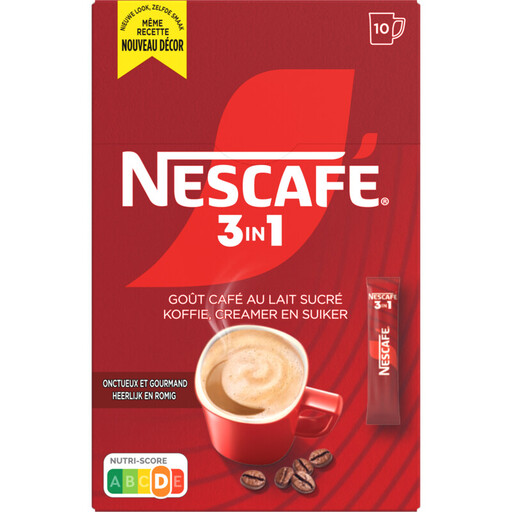
Why it suits this profile: An easy choice if you want to make a mild, sweet coffee without a coffee machine. Each sachet is intended for around 150 ml of hot water.
The individual sachets save you having to measure out coffee, milk powder and sugar yourself. Do check the stated 53% sugar content and the milk ingredient.
10 individual sachets, coffee with creamer and sugar, preparation guidance of 150 ml of water per serving.

Why it suits this profile: A good choice for home drinkers who want to stock up on pure instant coffee and decide for themselves how strong, milky or sweet to make it.
The ingredients list shows instant coffee, with no sugar or creamer added. That leaves you in control of how you prepare it.
200 g pack, 100% instant coffee according to the product information, none of the 14 main EU allergens listed.
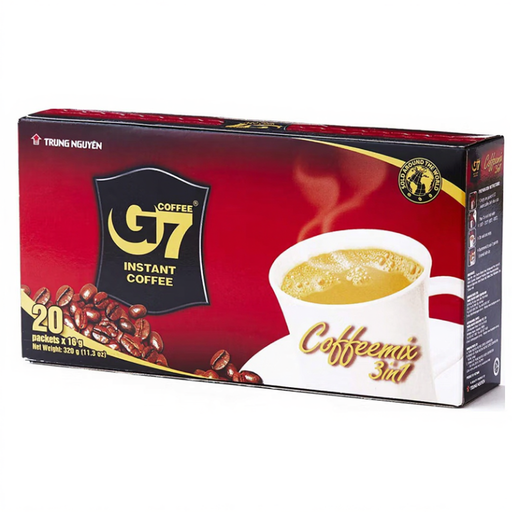
Why it suits this profile: A handy option if you regularly enjoy Vietnamese coffee at the office, at home or on the go, and like to keep several servings in stock.
The 16-gram servings are pre-measured. The product information does list sugar, creamer and milk protein, so check this if you follow a specific diet or have an allergy.
20 sachets, Vietnamese-style 3-in-1 coffee, can be prepared with hot water alone.
We've put together a full, up-to-date list of products that meet these strict selection criteria and current European safety requirements.
Put the recommended amount of powder into a cup and add the amount of hot water stated on the packaging. Stir well until the powder has dissolved. With 3-in-1 coffee, the sugar and creamer are already in the sachet. With pure instant coffee, you can add your own milk or sugar.
Check the best-before date on the jar or sachet. Store instant coffee somewhere cool and dry, away from direct sunlight. Seal an opened jar or bag carefully. Don't use a product if the packaging is damaged or if moisture has clearly got in and the coffee has clumped.
It depends on the serving size, the number of sachets and the amount in the jar. Sachets offer measured servings and convenience, but a jar may work out cheaper if you drink coffee every day. So compare the price per cup or per 100 grams, not just the price of the pack.
