
Vandaag of morgen in huis

Kwaliteit gegarandeerd

Welkomstaanbiedingen ontgrendelen: GRATIS bezorging | Tot 80% korting | Gratis 30 dagen JoyPlus-proefperiode
Download de app
Making a cup of coffee without a coffee machine can be simple. Yet different types of instant coffee vary greatly in taste, composition, portion size and preparation method. If you only look at the packaging, you might end up paying for sugar, creamer or flavourings when what you really wanted was pure coffee.
As a Joybuy Product Recommendation Officer, I filter the most important product information in a practical way. This helps you see more quickly which instant coffee suits your home use, office, travel or specific taste profile.
Words like cappuccino, latte or 3-in-1 often refer to a mix of coffee, sugar and creamer. That can be convenient, but the product then contains less coffee than a jar or sachet of 100% coffee powder. Always check the ingredients list.
With Trung Nguyen G7 3-in-1, for example, the mix consists of sugar, creamer, instant coffee and maltodextrin. The product information states approximately 13% instant coffee. This makes it a sweet, ready-to-drink coffee mix rather than pure black coffee.
An unsweetened variety can still contain milk powder, glucose syrup, coconut oil or other ingredients. According to the product information, Nescafé Gold Cappuccino Unsweetened Decaf contains skimmed milk powder, glucose syrup and lactose, among other things. So read the full ingredients list, especially if you have allergies or dietary requirements.
Coffee in sachets is easy to take with you and prevents waste. However, individual sachets are often more expensive per gram than a larger pack. So compare the total weight and the number of cups, not just the price of the box.
Also pay attention to the recommended amount of water. A sachet might be intended for 150 ml, 180 ml or 200 ml. If you use much more water, the flavour will be weaker.
Choose a product labelled “instant coffee” or “soluble coffee” if you’re mainly looking for coffee without sugar and milk components. A product with 100% coffee powder has a straightforward composition. With a mix, check the order of ingredients: ingredients listed first are generally present in larger amounts.
For those who prefer a milder taste, Arabica instant coffee could be of interest. Nescafé Gold Instant Coffee lists finely ground Arabica coffee beans alongside instant coffee. However, the product information doesn’t give an exact ratio; treat this as a product specification rather than a guarantee of a particular flavour experience.
If you want less or no caffeine, you need to look specifically for caffeine-free coffee or “decaf”. Nescafé Gold Cappuccino Unsweetened Decaf is described as a caffeine-free instant coffee drink. The product contains milk components and lactose, and one sachet is intended for 150 ml of hot water.
With regular coffee, the caffeine content isn’t always clearly stated per portion. So don’t rely solely on the brand name or strength indication. People who are sensitive to caffeine are better off choosing a variety that explicitly states it is caffeine-free.
Most instant coffee is suitable for coffee without a coffee machine: add the recommended amount of powder to hot water and stir well. According to the product information, some varieties can also be prepared with cold water or milk.
Store opened coffee in a dry, cool place away from direct sunlight. Seal the packaging tightly and don’t use a sachet with damaged packaging. The exact “best before” date is on the packaging. With freeze-dried coffee, a good seal can help prevent clumping caused by moisture, but always follow the manufacturer’s storage instructions.
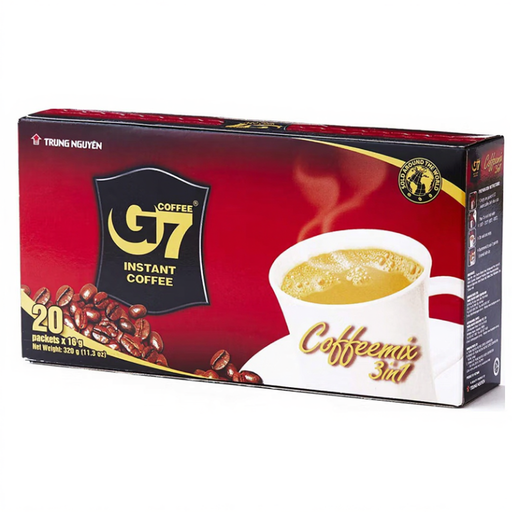
Why this fits the profile: This Vietnamese coffee mix contains 20 sachets of 16 grams. You just need to add hot water, whether at home, in the office or on the go.
The portions and ingredients are clearly stated. Just bear in mind that sugar and creamer are part of the mix.
20 individually wrapped portions; Vietnamese 3-in-1 composition; suitable for coffee without a coffee machine.
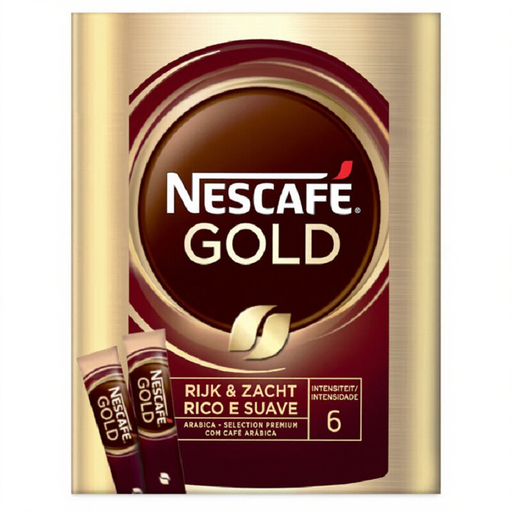
Why this fits the profile: If you’re looking for a simple black instant coffee without sugar or creamer, this gives you 25 individual portions of 1.8 grams.
The ingredients list only states instant coffee. So you’re not paying for added sugar or milk powder.
25 portions; instant coffee with added ground Arabica according to the product description; none of the 14 main EU allergens listed.
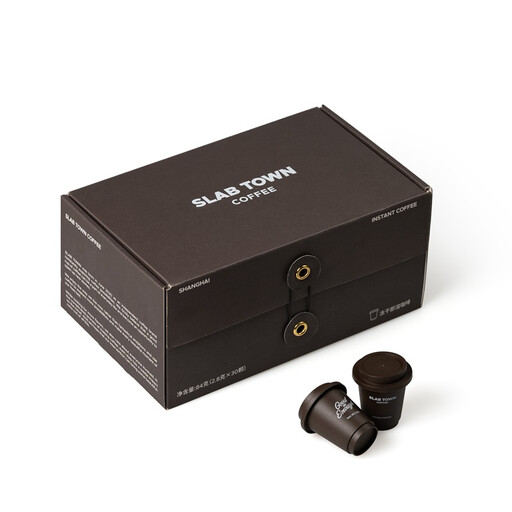
Why this fits the profile: According to the product information, this freeze-dried coffee consists of 100% coffee powder and is divided into 30 sticks of 2.8 grams.
There are no sugar, creamer or flavourings in the stated ingredients list. The packaging recommends 200 ml of water or milk per stick.
30 individual portions; 84 grams total; suitable for home, office and coffee on the go.
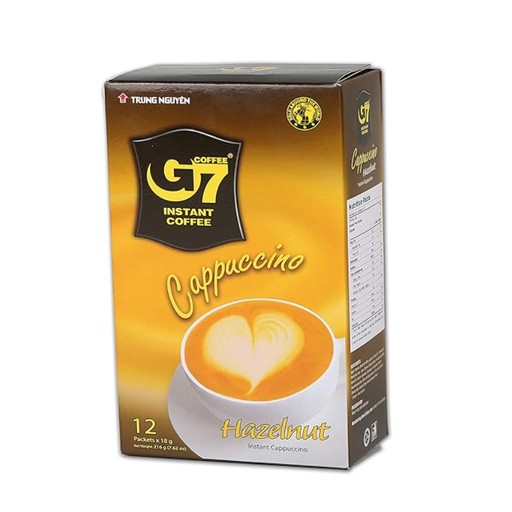
Why this fits the profile: The hazelnut cappuccino mix is individually wrapped in 12 portions of 18 grams. That suits anyone who wants a flavoured hot drink without needing any equipment.
The portion size and flavour direction are clear upfront. Do check the packaging for the current ingredients and preparation instructions.
12 sachets of 18 grams; hazelnut flavouring; no coffee machine needed.
We’ve put together a full, up-to-date list of products that fully meet these strict selection criteria and comply with current European safety regulations.
Put the recommended amount of powder in a mug and add hot water. Stir until the powder has dissolved. With sachets, use the amount of water stated on the packaging; 150 to 200 ml is common for many portions. Milk can be added if the product instructions allow it.
Unopened instant coffee generally stays good until the date on the packaging. After opening, moisture, heat and sunlight are the main things to watch out for. Seal a jar or bag tightly and store sachets in a dry place. Throw away any packaging that is damaged or if the product smells odd or has clumped due to moisture.
That depends on the variety. Pure instant coffee can be economical per cup, whereas cappuccino and 3-in-1 sachets contain more ingredients and packaging material. Compare the price per portion and check how much water one sachet yields. That will give you a more realistic picture of the cost per use.
