
Vandaag of morgen in huis

Kwaliteit gegarandeerd

Welkomstaanbiedingen ontgrendelen: GRATIS bezorging | Tot 80% korting | Gratis 30 dagen JoyPlus-proefperiode
Download de app
A cup of coffee without a coffee machine sounds simple: pop a sachet or some powder in a mug, add hot water and stir. Yet products vary widely in taste, composition, portion size and ease of use. If you only look at the brand or packaging, you could end up with a coffee that is too sweet, lacks real coffee flavour, or is impractical for everyday use.
The main pitfalls to watch out for are:
Instant coffee, also known as soluble coffee, is usually made from dried coffee extract. Some varieties use freeze-dried extract. This can help preserve the aroma and solubility during storage, but the final taste also depends on the beans, the roast and the amount of coffee in the mix.
For a classic black coffee, choose a product with instant coffee as the only ingredient. Nescafé Gold, g'woon Instant Red Coffee and Douwe Egberts Aroma Rood all fall into this category. You can add your own milk or sugar and have more control over the strength.
With 3-in-1 coffee, the coffee, creamer and sugar are already combined. Nescafé 3-in-1 Smooth & Rich, for example, lists sugar as the main ingredient and contains 7.6% instant coffee. This makes preparation quick, but the taste is generally sweeter and milder than black instant coffee.
Coffee sticks and instant coffee sachets are handy in the office, when travelling or in a student room. Check:
For many products, 150 ml of hot water is the guideline. A larger mug can therefore make the coffee weaker. With a portioned product, start with the recommended amount and then adjust the water if needed.
Cappuccino instant coffee, latte macchiato and hazelnut coffee often contain milk derivatives, sugar, vegetable fats or flavourings. Douwe Egberts Latte Macchiato, for instance, lists 36% skimmed milk powder and 9% instant coffee. The G7 Cappuccino Mocha provides around 80 kcal and 7.8 grams of sugar per stated portion.
If you are looking for a product with fewer additives, consider varieties that contain only instant coffee. For a plant-based choice, don't rely on the name alone: check the ingredients list and allergen information. A product may, for example, contain milk derivatives or coconut.
Decaffeinated coffee is not listed among the product details described here. So always check the label explicitly when you are looking for decaf coffee. “Mild” or “smooth” does not automatically mean the coffee is low in or free from caffeine.

Why this fits the profile: A 200-gram jar is practical for daily use at home and in the office. The coffee can be measured per cup, without the need for individual sticks.
The product information states 100% instant coffee with no added sugar or milk powder. So you know exactly what the base of your cup is.
Arabica coffee according to the product description, 200-gram content and suitable for vegans according to the stated information.

Why this fits the profile: Ideal for anyone who wants a mild black coffee without a coffee machine and prefers to have a larger pack in the cupboard.
The ingredients list states only instant coffee. So there are no hidden sweeteners, creamer or milk powder in the basic listing.
200-gram content, lightly roasted Arabica beans according to the product description and a protective atmosphere for the packaging.

Why this fits the profile: The jar is designed for regular use. With one or two teaspoons, you can adjust the strength per mug.
The composition is clearly described as 100% freeze-dried instant coffee, with a blend of Arabica and Robusta beans.
200-gram content, up to 120 portions according to the product information and no milk, lactose, gluten, nuts or soya according to the stated allergen information.
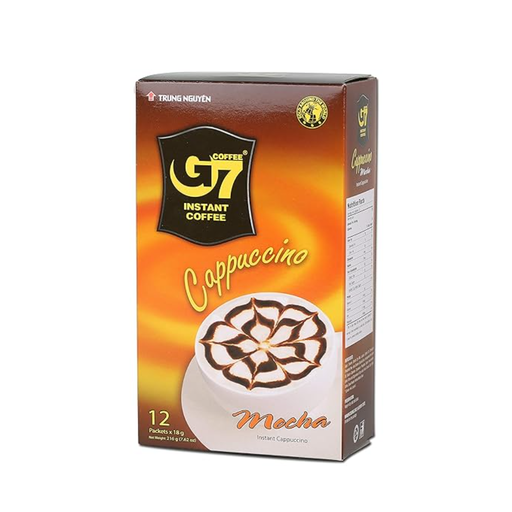
Why this fits the profile: The twelve portions are easy to take with you and suit anyone who wants to make a mocha-style coffee drink at home, at work or on the go.
The packaging states 18 grams per portion and twelve sachets. The composition and nutritional values can therefore be checked per portion.
Mocha flavour, individual portions and, according to the product information, none of the 14 main EU allergens.
We have put together a full, up-to-date list of products that fully meet these strict selection criteria and comply with current European safety regulations.
Put the recommended amount of powder or one sachet into a mug. Add hot water and stir until everything has dissolved. Many portion packs recommend around 150 ml of water. You can then adjust black instant coffee with extra water, milk or sugar.
Check the date and storage instructions on the packaging. Store instant coffee in a cool, dry place, away from direct sunlight and moisture. Seal a jar or bag tightly after use. Do not use a sachet if the packaging is damaged.
That depends on the portion, packaging and amount you use. A large jar of black instant coffee can be practical for multiple cups, while sticks mainly cost more for the convenience of individual portions. So compare the price per 100 grams or per prepared cup, and remember to factor in the extra cost of milk and sugar for pure coffee.
