
Vandaag of morgen in huis

Kwaliteit gegarandeerd

Welkomstaanbiedingen ontgrendelen: GRATIS bezorging | Tot 80% korting | Gratis 30 dagen JoyPlus-proefperiode
Download de app
Making a cup of coffee doesn’t have to take long. With instant coffee, all you need is a mug, hot water and a few seconds. However, instant coffee, instant espresso and instant cappuccino can vary considerably in flavour, ingredients, serving size and convenience.
If you only look at the front of the packaging, you could end up with a product that is too sweet, not strong enough or awkward to use on the go. This practical checklist helps you compare coffee sachets, coffee sticks and jars based on the features that really matter.
Words such as “mocha”, “cappuccino” and “au lait” often refer to a coffee drink containing milk powder, sugar, cocoa or creamer. That’s different from pure instant coffee, so always check the ingredients list.
For example, a serving of instant cappuccino can contain 39 grams of sugar per 100 grams, as stated for VN TN G7 Cappuccino Mocha. With a coffee such as Nescafe Espresso Instant Coffee, the product information states that the ingredients list consists of instant coffee. The difference is noticeable not only in the flavour, but also in the nutritional value per cup.
Instant espresso is often prepared with less water, but the recommended amount varies from one product to another. For example, Nescafe Espressostick recommends 60 ml of hot water, while a large sachet containing creamer may be intended for approximately 150 ml.
Always follow the preparation instructions on the packaging. Adding more powder can change the flavour, but it doesn’t automatically make instant coffee comparable to espresso made in a portafilter machine.
A box containing 25 coffee sticks may seem like good value, but the amount in each stick can vary. According to the product description, G'woon Espressosticks contain 1.5 grams per stick. Nescafe Espressosticks contain 1.8 grams per sachet. Compare both the price per serving and the amount of coffee per serving.
Also consider the packaging waste. Aluminium or multi-layer sachets help keep the product dry, but they create more individual packaging than a jar.
First, choose the type that suits your taste:
For Arabica instant coffee, the type of bean used is generally clearly stated on the label. According to the product information, Nescafe Espresso Instant Coffee and Nescafe Espressostick are made from 100% selected Arabica coffee beans. This is a verifiable product specification, but it doesn’t guarantee that every coffee drinker will enjoy the same flavour experience.
The recommended amount of water determines how concentrated your cup will be. For espresso sticks, approximately 60 ml of water is often suitable. Other products call for 150 ml, such as Xiang Yue Coffee Columbus Flavor Classic Original Aroma.
For instant coffee, use hot water rather than boiling water wherever possible. For example, Nescafe Espressostick specifies “non-boiling” water. Office Fish coffees recommend a temperature of 80–90°C. Stir thoroughly, then adjust the amount of water if necessary.
As well as coffee, check for:
According to the product information, AGF Blendy Stick Espresso au Lait contains dairy and is lightly sweetened. The product description states that it contains 50% less sugar than regular café au lait, according to the brand’s claim. Treat this as a brand comparison and check the current packaging for complete nutritional information.
Products containing coffee only are often listed without any of the 14 main EU allergens. Nevertheless, always check the label, particularly for international products. Japanese instant coffee and Asian coffee may have different recipes, serving sizes or preparation instructions from those you’re used to.
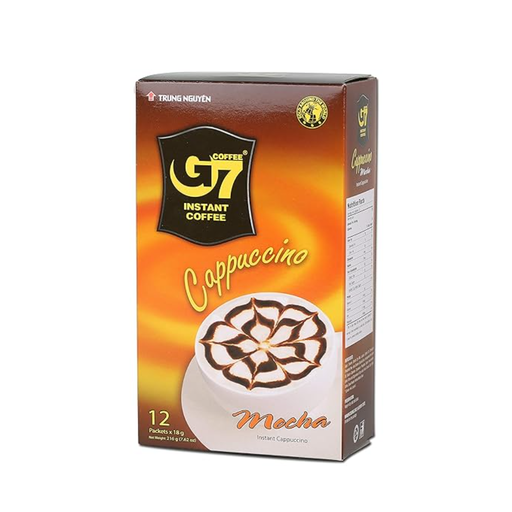
Why it suits this profile: The 12 servings are easy to measure and designed for anyone who wants to make a sweet mocha or cappuccino without separate ingredients.
The servings are pre-measured, so you don’t have to guess how much powder and water to use. Do check the stated nutritional values and sugar content.
12 sachets of 18 grams; creamy cappuccino mocha flavour according to the product description; none of the 14 main EU allergens listed.
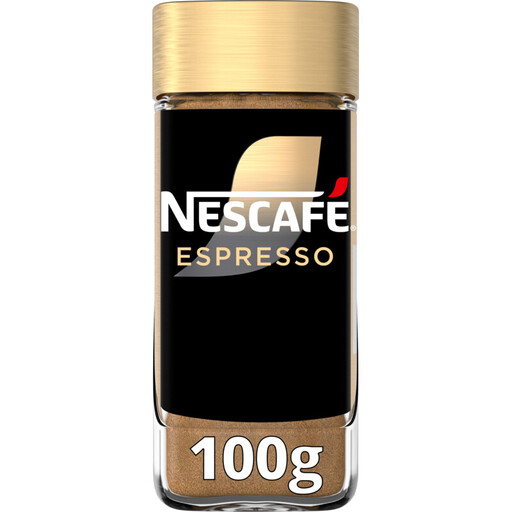
Why it suits this profile: A 100-gram jar is ideal for people who drink coffee at home, want to control the strength themselves and don’t want milk powder or sugar in their coffee.
The ingredients list states instant coffee, with no milk or sugar components mentioned. The recommended preparation uses 60 ml of hot water.
100 grams in a glass jar; made from 100% selected Arabica beans according to the product information; suitable for approximately 55 servings.
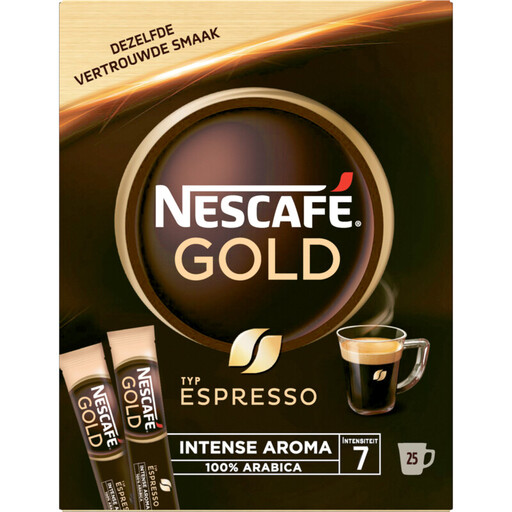
Why it suits this profile: The individual sticks are convenient at the office, in your bag or while travelling. Each serving is intended for one small cup.
The 1.8-gram serving size and preparation method using 60 ml of water are clearly stated. This means you don’t need a large mug or measuring spoon.
25 individual sticks; 100% selected Arabica beans according to the product information; none of the 14 main EU allergens listed.
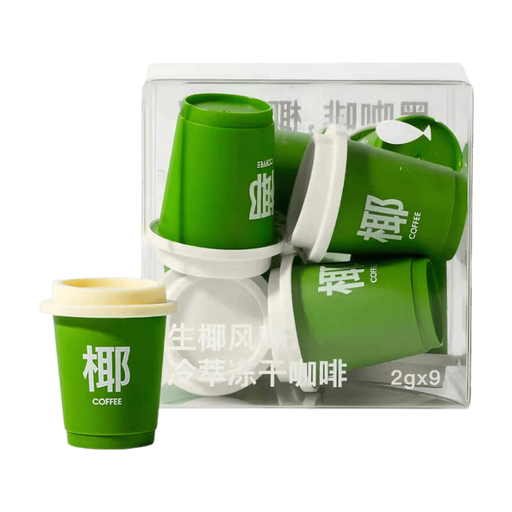
Why it suits this profile: This Japanese and Asian coffee style is ideal for anyone who wants to try black coffee with coconut flavour, either hot or cold.
The amount of coconut concentrate is specified as 5%. The preparation instructions for both cold and hot water are also clearly stated.
9 sachets of 2 grams; 100% roasted Arabica coffee according to the product information; suitable for 150–180 ml of hot or cold water.
We’ve put together a complete, up-to-date list of products that fully meet these strict selection criteria and the applicable European safety regulations.
Store instant coffee in a cool, dry place, away from sunlight, heat and moisture. Seal a jar tightly after use. For sachets, check that the packaging is undamaged before opening it.
An opened jar generally remains suitable for use until the date shown on the packaging, provided it is kept dry and properly sealed. The exact shelf life varies from product to product. Always check the label for the latest information.
Put the recommended amount of powder into the mug first. Then add hot water and stir thoroughly straight away. With sticks, use the amount of water stated on the packaging. Milk- or creamer-based products may need to be stirred for a little longer.
That depends on the serving size, packaging and product you choose. A jar can be cost-effective for daily use at home, while coffee sticks mainly charge you for convenience and portion control. Compare the price per cup, not just the price of the packaging.
Check the best-before information on the packaging. Unopened coffee remains suitable until that date when stored in a cool, dry place. Once opened, keeping the packaging tightly sealed and protecting it from moisture is important for maintaining the flavour and texture.
