
Vandaag of morgen in huis

Kwaliteit gegarandeerd

Welkomstaanbiedingen ontgrendelen: GRATIS bezorging | Tot 80% korting | Gratis 30 dagen JoyPlus-proefperiode
Download de app
Choosing a jar of instant coffee seems straightforward. Yet sometimes you are paying for attractive packaging, a flavour name or a high number of servings without the coffee actually being right for the way you use it. If you want to make coffee quickly without a coffee machine, it pays to look beyond the brand alone.
The main pitfalls when buying instant coffee are:
For pure instant coffee, the ingredients list usually contains only instant coffee. This applies, for example, to various Nescafé and Douwe Egberts products. Always check the packaging, however, as product information and recipes may change.
If the type of bean matters to you, look for Arabica coffee. Arabica is often described as smoother and more aromatic, but taste is personal. According to Nestlé’s product description, Nescafé Gold contains carefully selected, lightly roasted Arabica coffee beans. This is a verifiable product specification, not a guarantee that everyone will experience the same flavour.
A blend of Arabica and Robusta can provide a more intense profile. According to the product description, Douwe Egberts Aroma Rood is made using a combination of roasted Arabica and Robusta beans.
Most instant coffee is dissolved in hot water. Pay attention to the amount of water recommended for the product:
Do not automatically use a full mug of water with instant espresso coffee. This will make the drink thinner than intended. According to the product information, Nescafé Espressostick Instant Coffee recommends 60 ml of hot, not boiling, water per sachet. Other products may recommend 150 to 200 ml. Always read the preparation instructions on the packaging.
A large jar is practical if you drink coffee at home or in the office every day. Keep the jar tightly closed after opening and store it in a cool, dry place, away from moisture, heat and direct sunlight. Moisture can cause the powder to clump.
For coffee on the go, individual sticks or sachets are easier to measure. You do not need to carry a jar and spoon, and each serving remains individually sealed until opened. Do check the total amount of coffee per box: 25 sticks of 1.8 grams contain considerably less coffee than a 200-gram jar.

Why it suits this profile: The 200-gram jar is suitable for everyday use at home or while working from home, without having to buy individual servings.
The quantity and preparation method are clearly described. It is 100% freeze-dried instant coffee, with no milk powder or sugar listed in the ingredients.
200 grams of coffee, up to approximately 120 servings according to the product description, and suitable for black coffee without a coffee machine.

Why it suits this profile: The jar offers an Arabica-focused option for anyone who values aroma and a milder flavour.
The choice is not based solely on the term premium instant coffee: the product description mentions selected, lightly roasted Arabica beans and instant coffee as an ingredient.
200 grams of coffee, protective atmosphere according to the product information, and none of the 14 major EU allergens listed.
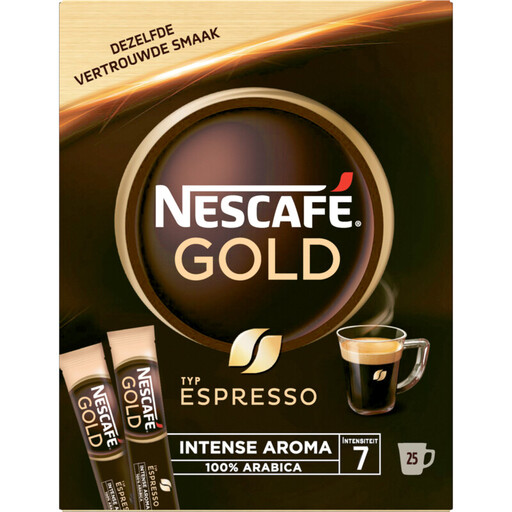
Why it suits this profile: The sticks are convenient for the office, travelling and situations where you want to use a set amount of instant espresso coffee per cup.
The serving is pre-measured at 1.8 grams per sachet. This prevents your espresso from accidentally containing too much or too little powder.
25 individual sticks, 100% selected Arabica according to the product description, and preparation instructions specifying 60 ml of hot water.
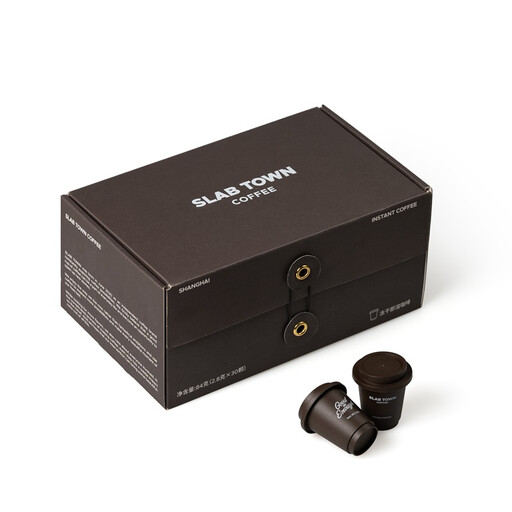
Why it suits this profile: The 30 sticks are easy to take with you and, according to the product information, can be prepared with 200 ml of hot or cold water, milk or a plant-based drink.
The amount per stick and the total quantity are clearly stated. You are therefore not paying simply for a large-looking box.
30 servings of 2.8 grams, 100% coffee powder according to the product information, and no allergens listed.
We have put together a complete, up-to-date list of products that fully meet these strict selection criteria and the applicable European safety regulations.
Put the recommended amount of powder into a dry cup and add hot water. Stir until the powder has dissolved. Use less water for instant espresso coffee than for an ordinary mug. With sticks, the correct ratio is usually stated on the packaging. If the manufacturer specifies “not boiling”, allow boiling water to cool briefly first.
Follow the date and storage instructions on the packaging. An opened jar will generally remain usable as long as it is stored somewhere dry and cool and kept tightly sealed. Before use, check the powder for moisture, clumps, an unusual smell or damaged packaging. If in doubt, throw the product away.
It can be, but check the label carefully. Not every coffee without a clear caffeine declaration is decaffeinated. Flavoured and 3-in-1 varieties also differ in their ingredients and nutritional values. If you are specifically looking for decaffeinated coffee, check the product name and ingredients list before placing your order.
