
Vandaag of morgen in huis

Kwaliteit gegarandeerd

Welkomstaanbiedingen ontgrendelen: GRATIS bezorging | Tot 80% korting | Gratis 30 dagen JoyPlus-proefperiode
Download de app
If you want to make coffee quickly without a coffee machine, instant coffee might seem like a straightforward purchase. However, jars, sticks and 3-in-1 mixes vary significantly in composition, flavour and cost per use. A cheap pack, for example, may contain a lot of sugar, while a larger jar is less convenient for taking on the go.
With this buying guide, you can compare instant coffee based on ingredients, portion size, preparation method and usage scenario. That way, you can make a more informed choice for home, the office, studying or travelling.
A 200g jar may look practical, but the real cost depends on how many cups you get from it. So check:
A 1.8g stick is designed for one serving, whereas with a jar you decide the dosage yourself. That gives you flexibility, but it can lead to inconsistent flavour and higher consumption.
With 3-in-1 coffee, the coffee, creamer and sugar are already mixed together. That’s convenient, but always check the ingredients list. According to the product information, NESCAFÉ 3-in-1 Smooth & Rich is 53% sugar and just 7.6% instant coffee. So the flavour isn’t determined by the coffee alone.
If you prefer to add your own milk or a plant-based alternative, it’s better to choose pure instant coffee. That way, you control the strength and sweetness yourself.
Instant cappuccino, latte macchiato and espresso sticks are different product types. Some contain milk powder and creamer, while others are pure coffee. Turkish coffee, too, is usually finely ground coffee, not instant coffee. For that, you typically need a cezve or ibrik.
So check whether the packaging states that the product is instant. Also pay attention to the recommended water volume. An espresso stick for 60ml of water gives a very different cup from a stick designed for 150 to 180ml.
Pure instant coffee usually consists of just instant coffee, with no added sugar or milk. Examples include Nescafé Gold, g’woon Instant Coffee Gold and Douwe Egberts Aroma Rood. With flavoured coffee, cappuccino and latte, always check for:
Product descriptions can change. So always check the current labelling on the product before you buy.
Arabica coffee is often described as mild and aromatic, while Robusta typically has a stronger profile. This isn’t a guarantee of a particular taste, but it is a useful point of comparison.
According to the product information, Nescafé Gold contains carefully selected, lightly roasted Arabica coffee beans. Douwe Egberts Aroma Rood uses a blend of roasted Arabica and Robusta beans, according to the product description. g’woon Instant Coffee Gold combines mainly instant coffee with 3% roasted and ground Robusta, as per the product specification.
If you’re looking for a smooth black coffee, a variety focused on Arabica is worth considering. For a stronger cup, a blend with Robusta may suit you better.
Coffee sachets and espresso sticks are handy for work, train journeys and holidays. They protect each portion from moisture and make dosing simple. A jar is more practical for everyday use at home and reduces the amount of individual packaging.
Pay attention to the preparation instructions:
Don’t use damaged packaging, and store instant coffee in a cool, dry place away from direct sunlight.
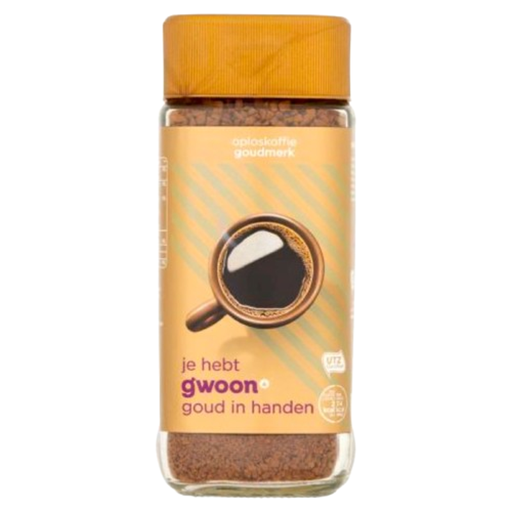
Why this fits the profile: A 200g jar is ideal for regular use at home or in the office. You decide the amount per cup yourself and don’t need to store individual portions.
The ingredients list shows no added sugar, milk powder or artificial flavourings. Always check the current packaging, though.
200g content, free from the 14 major EU allergens according to the product information, and suitable for preparation without a machine.

Why this fits the profile: This pure instant coffee is designed for drinkers who want a black cup of coffee with a mild profile and aroma.
According to the ingredients list, the product contains only instant coffee. So you’re not paying for a sugar or creamer blend.
100% instant coffee according to the product description, 200g content and none of the 14 major EU allergens listed.
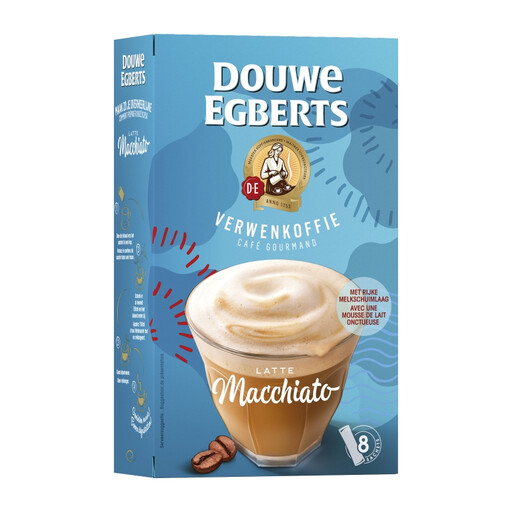
Why this fits the profile: The individual sachets are practical for workdays, travel and moments when you want a milky coffee drink without a milk frother.
The portions are pre-measured and the preparation is clearly aimed at milky coffee. Check the allergen information because of the milk powder.
8 handy sachets, milk powder as a key ingredient and, according to the product information, no coffee machine needed.
We’ve put together a full, up-to-date list of products that fully meet these strict selection criteria and comply with current European safety regulations.
Put the recommended amount of instant coffee in a mug and add hot water. With pure coffee, you can make it stronger or milder to taste. For coffee sticks and instant cappuccino, follow the amount on the packaging. With espresso sticks, use less water – for example, 60ml if that’s what’s recommended.
The best-before information is on the packaging. After opening, the coffee stays fresher if you close the jar tightly and store it in a dry place. Coffee sticks are individually wrapped and therefore less susceptible to moisture before opening. Don’t use any product with damaged packaging.
That depends on the price per serving and the number of drinks you make. Compare the total content, the number of sachets and the recommended water volume. 3-in-1 is mainly convenient, while pure instant coffee gives you more control over sugar, milk and strength.
