
Vandaag of morgen in huis

Kwaliteit gegarandeerd

Welkomstaanbiedingen ontgrendelen: GRATIS bezorging | Tot 80% korting | Gratis 30 dagen JoyPlus-proefperiode
Download de app
Want to make coffee quickly, without the faff of using a machine? Instant coffee might seem like a simple choice, but there’s a lot of variation. Instant coffee, coffee sticks, 3-in-1 coffee, coffee capsules and liquid coffee concentrate are all designed for different uses.
The packaging doesn’t always tell the whole story, either. A flavour name such as latte, hazelnut or mocha, for example, says little about the sugar content. And a product made with Arabica coffee isn’t automatically the right choice if you’re looking for a strong espresso. Use these pointers to compare products based on information you can check, rather than marketing claims alone.
3-in-1 coffee contains coffee, sugar and creamer in one sachet. It’s convenient, but the proportions can vary considerably. For example, according to the product information, NESCAFÉ 3-in-1 Smooth & Rich contains 53% sugar and 7.6% instant coffee. So it’s quite different from pure instant coffee, to which you add your own milk.
Latte macchiato capsules aren’t black coffee either. Nescafé Hazelnut Macchiato capsules contain ingredients including whole milk powder and sugar. According to the product information, each prepared serving contains 4.5 grams of sugar. So always check the ingredients and nutritional information.
A coffee product may be sold as sugar-free, while another variety from the same brand contains sugar. Check the “of which sugars” figure and the ingredients list. Pure instant coffee usually lists only instant coffee as an ingredient.
According to the product information, Luckin Genki Ball 2.0 Latte is made with freeze-dried Arabica coffee and contains 0 grams of sugar and 0 grams of fat per 100 grams. You can prepare the powder with water, or add milk or plant-based milk yourself. That way, you can decide the flavour and what goes into your cup.
Individual sticks are handy for your bag, desk or holiday suitcase. A 50- or 200-gram jar usually makes more sense if you drink coffee at home every day. Capsules are only practical if you have a compatible Dolce Gusto machine.
Also check the best-before date, storage instructions and serving size. A large pack isn’t good value if you don’t use that flavour often or can’t seal the pack properly after opening.
First, check whether you’re buying pure instant coffee, a coffee and milk mix, or a flavoured drink. Arabica coffee is often chosen for its milder flavour, but taste is a personal matter. According to the product description, Nescafé Gold is made with selected Arabica beans and is lightly roasted. The ingredients list contains only instant coffee.
Robusta is also commonly used in 3-in-1 mixes. These often contain added sugar, creamer and stabilisers. That’s not necessarily a problem, but it’s important to know what you’re buying.
If you want coffee without a coffee machine, instant coffee and coffee sticks are the easiest options: add the recommended amount of hot water and stir. Nescafé Gold Espresso Sticks are designed for around 60 ml of water per sachet. Regular instant coffee is often prepared with more water.
You’ll need a compatible machine for coffee capsules. Hazelnut Macchiato capsules are made for a Nescafé Dolce Gusto machine, so check the system before you order. Filter coffee, Turkish coffee and capsules aren’t direct alternatives to instant coffee: they require a different preparation method or equipment.
Always compare nutritional information both per serving and per 100 grams. A 3-in-1 sachet, for example, contains sugar and creamer, whereas black instant coffee provides very little energy when prepared with water alone, according to the product information.
Also look out for milk allergens. Some varieties contain milk powder or milk proteins. So, if you’re choosing coffee with milk or sugar to take with you, the ingredients list is just as important as the flavour description.
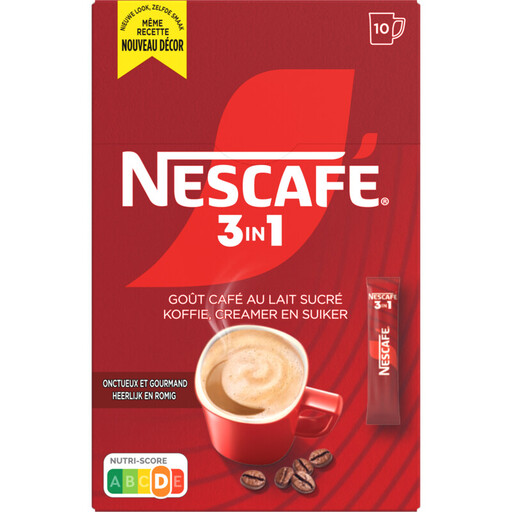
Why it suits this profile: An approachable choice if you want coffee, creamer and sugar together in one sachet. Add around 150 ml of hot water to each sachet.
The product information makes it clear that this is a mix containing sugar and creamer. So you’re not buying pure instant coffee with no added ingredients.
Individual portions, quick to prepare and easy to take to work or enjoy on the go.

Why it suits this profile: Ideal for everyday black coffee at home, with no sugar or milk powder in the ingredients list.
You’re not paying for a latte or 3-in-1 mix if all you want is pure instant coffee. You can choose your own serving size and how you prepare it.
A 200-gram supply, selected Arabica coffee according to the product description, and 0 grams of sugar per prepared serving according to the nutritional information.
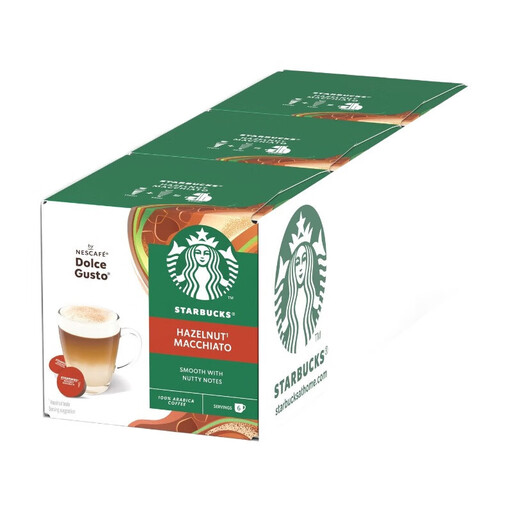
Why it suits this profile: A practical choice for Nescafé Dolce Gusto machine owners who enjoy a milky hazelnut flavour.
The product description states that these capsules are compatible with Dolce Gusto. Check this before you buy to avoid getting capsules for the wrong system.
A latte macchiato flavour profile, 100% Arabica according to the product information, and a portion size designed for quick preparation.
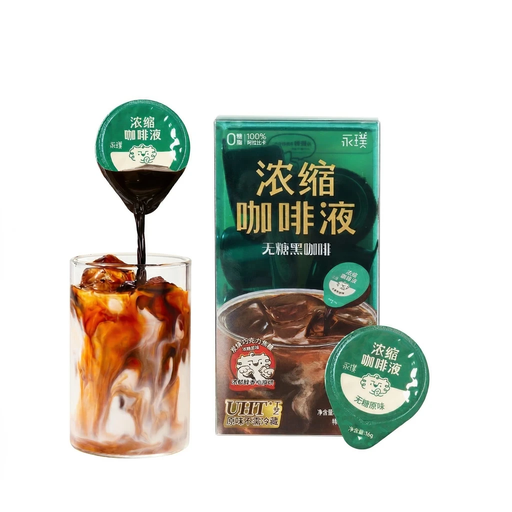
Why it suits this profile: Handy if you want to mix liquid coffee concentrate with water, milk or plant-based milk.
The product information states that it contains 0 grams of sugar, fat and carbohydrates per 100 grams. Always check the label on the pack you receive, though.
100% Arabica according to the product description, no machine needed, and suitable for hot or cold drinks.
We’ve put together a complete, up-to-date list of products that meet these strict selection criteria and current European safety regulations.
Put the recommended amount of instant coffee, or one stick, into a cup. Add hot water and stir well. It’s best to use the amount stated on the pack: some espresso sticks are designed for around 60 ml, while regular instant coffee needs more water. You can add milk or plant-based milk afterwards.
Check the best-before date on the pack. Store coffee in a cool, dry place, away from direct sunlight. Seal an opened jar or packet properly, as moisture can affect the texture and aroma. Don’t use damaged packaging.
That depends on the brand, serving size and quantity you buy. A jar of pure instant coffee can be good value if you drink it every day. Coffee sticks are more convenient per serving, while capsules also involve the cost of the machine and capsule system. So compare the price per cup rather than just the price per pack.
