
Vandaag of morgen in huis

Kwaliteit gegarandeerd

Welkomstaanbiedingen ontgrendelen: GRATIS bezorging | Tot 80% korting | Gratis 30 dagen JoyPlus-proefperiode
Download de app
A jar of instant coffee might seem simple to choose. Yet instant coffee, blends, sachets and Turkish coffee differ greatly in taste, preparation and ease of use. If you only look at the brand name or a flashy label, you can end up paying for features that don't suit how you actually drink it.
When buying, watch out for three common pitfalls:
The label often mentions Arabica coffee, Robusta coffee or a blend of the two. Arabica is generally chosen for a milder, more aromatic taste. Robusta can give a stronger profile and more body. A blend can be suitable if you're after a rounded flavour that also holds up well with milk.
Don't just look at words like “smooth” or “intense”. Also check:
For products with a specific flavour, such as coffee with cardamom, the ingredient list is especially important. Najjar, for example, states 95% ground Brazilian Arabica and 5% ground cardamom. That product is ground coffee for a cezve or ibrik, so it's not instant coffee.
Instant coffee dissolves in hot water. You don't need a coffee machine, which is handy at home, in the office, when travelling or camping. Do check the recommended dosage. Some products use one or two teaspoons per mug, while sachets specify a fixed amount.
A 200g jar of instant coffee is practical when several people drink coffee daily. Portions are more convenient if you want to measure exactly on the go. Drip coffee sits somewhere in between: you use a filter bag over a cup and pour hot water through it. That takes a little more time, but offers a different brewing experience from instant coffee.
Pure instant coffee usually contains no added sugar. Check the ingredients list if that matters to you. A mocha drink, for example, can contain sugar, milk ingredients and maltodextrin. If you have allergies, always check the label on the packaging; product compositions can change.
The amount of caffeinated coffee isn't always stated on the label. According to the product information from g'woon, Instant Coffee Gold contains approximately 75 mg of caffeine per 200 ml cup. For g'woon Instant Red Coffee, around 60 mg per 200 ml cup is stated. These are product specifications from the supplier and not a general value for all coffee. Follow the brewing instructions and keep an eye on your total caffeine intake.
Also look at the closure. A resealable jar protects the granules better against moisture. Store coffee according to the packaging in a cool, dry place, away from direct sunlight and heat. Close the packaging properly after each use.

Why this fits the profile: The 200g jar is suitable for daily use without individual portions. According to the product information, the jar yields up to approximately 120 cups, depending on the dosage.
The ingredients list states 100% freeze-dried instant coffee, with no added sugar. That way you know what you're buying, rather than relying on the product name alone.
200g pack; Arabica and Robusta blend; prepare with one or two teaspoons and hot water.

Why this fits the profile: According to the product information, this coffee is made from carefully selected, lightly roasted Arabica beans and is intended for a milder taste and clear aroma.
The product description states the bean type, roast and composition. Additionally, according to Nestlé, 100% responsibly sourced coffee is used; this is a brand claim, not an independent assessment.
200g pack; ingredient is instant coffee; none of the 14 major EU allergens listed.
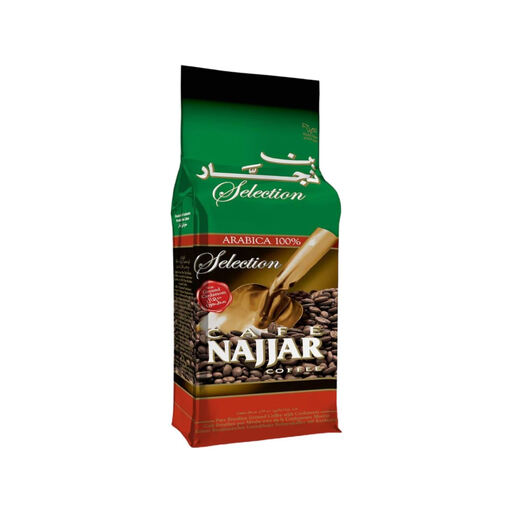
Why this fits the profile: This is Turkish-style ground coffee with cardamom, intended for a cezve or ibrik. It suits users looking for a traditional brewing method rather than instant convenience.
The product information makes the preparation method clear. Don't buy this if you're only looking for instant coffee; the coffee needs to be brewed and remains finely ground in the cup.
200g vacuum pack; 95% Arabica; 5% ground cardamom; suitable for a cezve or ibrik.
We've put together a full, up-to-date list of products that fully meet these strict selection criteria and comply with current European safety regulations.
Put the recommended amount of coffee in a mug and add hot water. Ideally, use water that is no longer boiling, so the aroma doesn't become too overpowering. Stir well and add milk or sugar only afterwards. Always follow the instructions on the packaging, especially with sachets.
The best-before date on the packaging is the starting point. After opening, the quality is better preserved if you close the jar tightly and store it dry, cool and away from sunlight. Moisture can make granules clump together and affect the taste. Don't use any product where the packaging is damaged.
That depends on the price per pack, the dosage and the number of cups. Compare the price per 100g and the recommended amount per cup. Instant coffee doesn't require a coffee machine, grinder or filters. As a result, the total cost of use at home and in the office can be lower, but that varies by brand and preparation method.
