
Vandaag of morgen in huis

Kwaliteit gegarandeerd

Welkomstaanbiedingen ontgrendelen: GRATIS bezorging | Tot 80% korting | Gratis 30 dagen JoyPlus-proefperiode
Download de app
Making a cup of coffee without a machine is simple: hot water, a spoon and instant coffee are often all you need. Yet instant coffee, coffee sticks and instant coffee sachets vary greatly in taste, ingredients, portion size and ease of use. If you only look at an eye-catching packet or the word "premium", you can end up paying for ingredients that don't suit your preferences.
With this buying guide, you can compare instant coffee on points you can actually check. That way, you can make a more informed choice for home, the office or on the go.
Not every sachet contains just coffee. 3-in-1 coffee, cappuccino instant coffee and latte instant coffee often include sugar, creamer and milk powder in the mix. This gives a smooth, sweet drink, but makes the product less suitable if you want to add your own milk or sugar.
Always check the ingredients list. Douwe Egberts Dubai Chocolate Style Instant Coffee, for example, contains sugar, glucose syrup, skimmed milk powder and 5.6% instant coffee. According to the product information, it contains milk, so it's not suitable for anyone wanting to avoid milk ingredients.
Names like Arabica instant coffee, espresso instant coffee or freeze-dried coffee don't always tell the full story. Check whether the product contains 100% coffee powder, or whether flavourings, sugar or creamer have been added.
With Nescafé Gold, the product information states that it is instant coffee with finely ground Arabica coffee beans. With g'woon Instant Red Coffee, the ingredients list states "100% instant coffee (Robusta coffee)". The product description also mentions Arabica, so it's wise to check the current packaging at the time of purchase if the bean type matters to you.
A 200g jar might seem good value, but a sachet can be more convenient if you often drink coffee on the go. Conversely, instant coffee sachets can work out more expensive per serving than a jar. So compare the price per gram and per cup, not just the total price.
Also pay attention to the recommended amount of water. A 2g stick for 150ml of water has a different strength to a 2.8g product intended for 200ml.
For black coffee, products labelled "instant coffee (100%)" are straightforward. With flavoured coffee, such as hazelnut, caramel, chocolate or fruit, check whether the flavour comes from flavouring, concentrate or powder. This can affect sweetness and nutritional values.
Also check the allergen information. Some products list none of the 14 main EU allergens, while others may contain milk, gluten or soya. Kopiko Brown Coffee, for example, lists milk and gluten from malt extract, with possible traces of sulphites and soya.
A good choice fits your routine:
Some sticks state on the packaging that they can also be prepared with cold water or milk. This makes them interesting as coffee on the go, as long as you have access to a suitable cup and enough liquid.
The amount of caffeine isn't always clearly stated in the product information. So don't rely on the coffee name alone. With products that carry an explicit caffeine warning, such as certain cold brew variants, you should follow the packaging instructions. Caffeine-free options are not included in this selection; in that case, look specifically for "decaf" or "caffeine-free" on the label.
With flavoured mixes, the sugar content can be significantly higher than with pure instant coffee. VN TN G7 Cappuccino Mocha states around 80 kcal and 7.8g of sugar per serving of approximately 20g. This is useful information when comparing cappuccino instant coffee with black coffee.
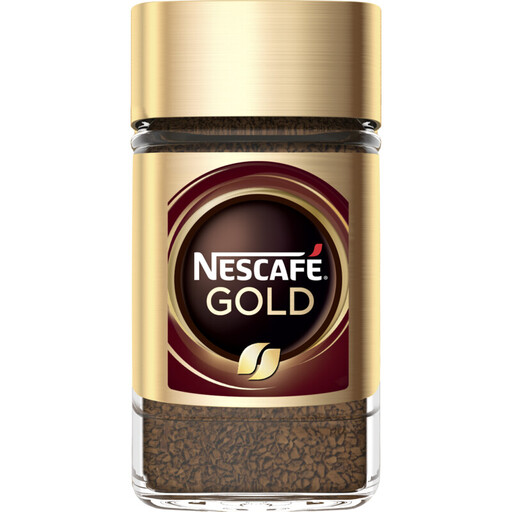
Why this suits the profile: A small jar is a manageable starting point for home. You don't buy a large supply before you know whether you like the taste.
The ingredients list states instant coffee and the jar contains 50g. This makes the contents easy to check.
Compact size, suitable for hot preparation and, according to the product information, free from the 14 main EU allergens.

Why this suits the profile: For daily coffee drinkers who want a jar to use and appreciate a milder, aromatic coffee style.
According to the product information, the coffee contains only instant coffee. So you're not paying for creamer or added sugar.
200g content, Arabica coffee according to the product description and can be prepared with just hot water.
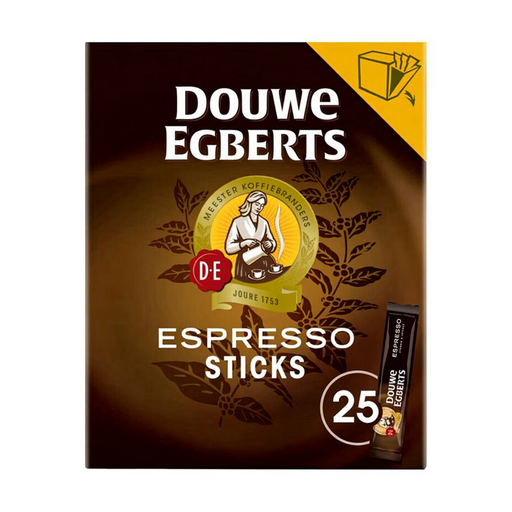
Why this suits the profile: Portions of 1.8g are practical for the office, travel or keeping a supply in your bag.
The packaging states 25 individual sachets. So you don't need to take an opened jar with you or measure out portions yourself.
25 portions, product description with a distinct espresso profile and none of the 14 main EU allergens according to the label.
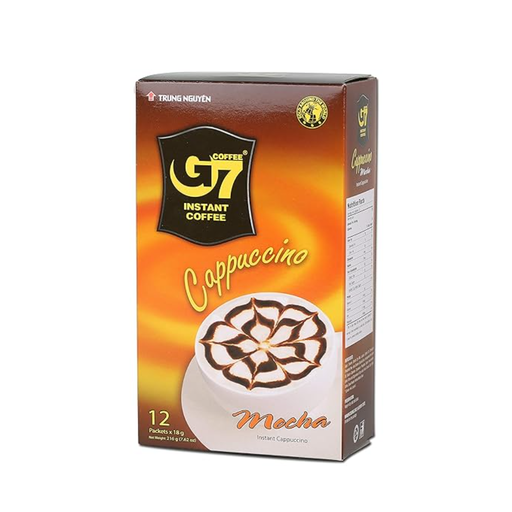
Why this suits the profile: For anyone who wants a creamy mug of mocha flavour without having to combine separate coffee, milk and syrup.
The portion size, nutritional values and allergen information are available. This shows you it's a flavoured mix, not pure black coffee.
12 individual portions, mocha flavour and approximately 80 kcal per serving according to the product information.
We've put together a full, up-to-date list of products that fully meet these strict selection criteria and current European safety regulations.
Start with the amount stated on the label, usually one serving per 150 to 200ml of water. Use hot water that doesn't always need to be boiling, especially with milky mixes. Then add extra water, milk or oat milk to taste. With pure instant coffee, you can adjust the strength more easily by using less or more powder.
The relevant date is on the packaging. Store instant coffee in a dry, cool place away from direct sunlight. Seal a jar tightly after use and use an opened sachet straight away. Moisture can cause the powder to clump together and lose its aroma. Don't use any product where the packaging is damaged.
That depends on the contents and how you use it. Calculate the price per gram and per serving. A 200g jar can be better value for daily use at home, while coffee sticks offer extra convenience at the office or on the go. With 3-in-1 coffee, you also need to compare the ingredients: a lower purchase price doesn't automatically mean the same amount of pure coffee.
