
Vandaag of morgen in huis

Kwaliteit gegarandeerd

Welkomstaanbiedingen ontgrendelen: GRATIS bezorging | Tot 80% korting | Gratis 30 dagen JoyPlus-proefperiode
Download de app
A bowl of instant cereal might seem simple enough: just add water, stir and you’re done. However, products vary significantly in ingredients, portion size, allergens and sugar content. A pretty packet doesn’t tell you much about whether it’s right for everyday use. This is especially true for Asian cereals, porridge and baby food, where it’s essential to read the product information carefully.
The most common pitfalls to watch out for:
Read the ingredients list from top to bottom. Ingredients are listed in descending order by quantity. For a product containing oats, soya, milk, sesame or nuts, it’s important not just to read the flavour name but also the allergen declaration.
A product like red bean porridge, for example, may also contain wheat, barley, soya and sesame. With black sesame porridge, sesame is obviously a key consideration. Products containing milk powder or yoghurt are less suitable if you want to avoid dairy.
Also look out for the difference between added sugar and naturally occurring sugars. Some instant porridge products come with pure glucose included separately – you don’t have to add it automatically.
Many cereals in portion packs contain 20 sachets of 35g. The recommended preparation is often around 175ml of boiling water, a ratio of roughly 1:5. This makes them practical for home, the office or on the go, but check you have a kettle or a heatproof cup to hand.
Also pay attention to the preparation method:
An oat drink can be thinner than traditional grain porridge. If you prefer a thicker breakfast porridge, it’s best to stick to the recommended amount of water and not add it all at once.
Baby fruit purée has different considerations to instant cereal. Check whether the product is intended for 4 months+ or 6 months+ and always follow the instructions on the packet. According to Olvarit’s product information, breast milk remains the most important source of nutrition up to 6 months; the purée in question is supplementary.
Once opened, any leftover purée should generally be kept sealed in the fridge and used within 48 hours. Do not heat a pouch in the microwave. Always read the label, as information on the packaging and website may differ.
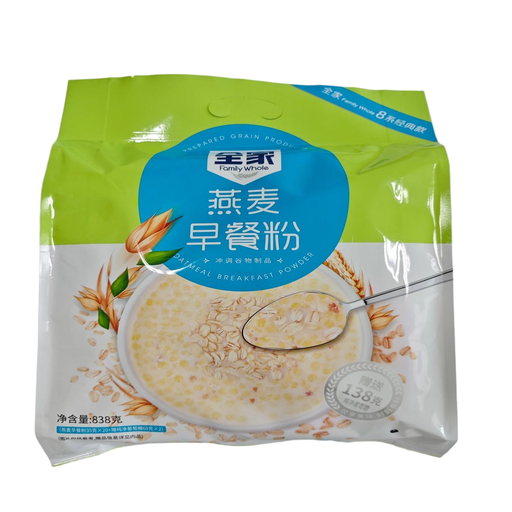
Why this fits the profile: The box contains 20 sachets of 35g. According to the product information, one sachet can be prepared with around 175ml of boiling water.
The portions are pre-measured. This means you don’t have to rely solely on the total weight of 838g; you can see straight away that 700g consists of 20 porridge sachets.
20 individual sachets, oats listed as an ingredient and a clear 1:5 preparation ratio.
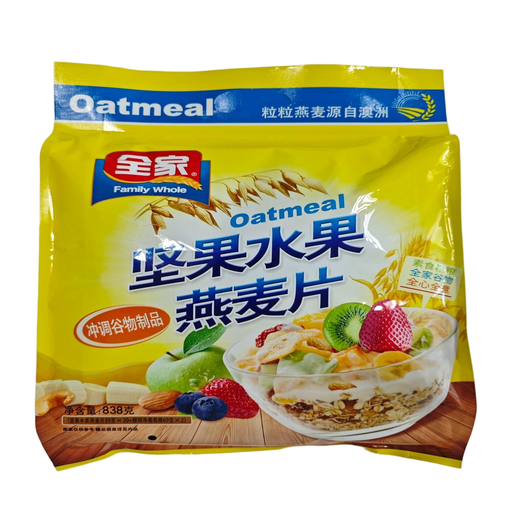
Why this fits the profile: According to the ingredients list, this variant combines 20% oat flakes with 5% nuts and 4% fruit. That suits anyone looking for multiple flavours in one serving.
The percentages of oats, nuts and fruit are listed. Do check the allergens beforehand though: the product contains wheat, soya and nuts, among other things.
20 portion sachets of 35g and preparation advice using around 175ml of boiling water.
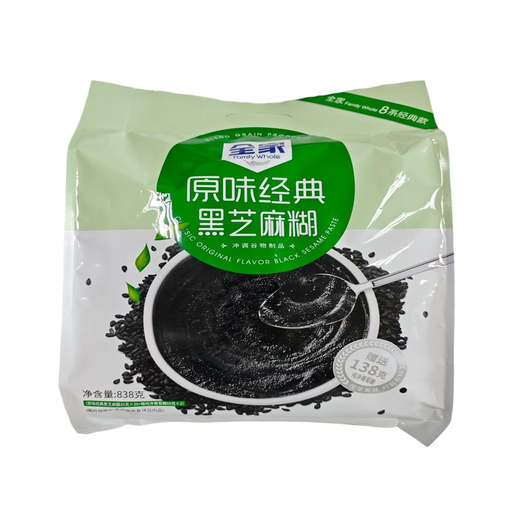
Why this fits the profile: This black sesame porridge lists 15% black sesame and comes in 20 portion sachets. That’s handy if you regularly want the same flavour.
The main flavour component is listed with a percentage. However, according to the product information, the porridge contains sesame and soya.
A clear flavour variant, 20 sachets of 35g and preparation with around 175ml of boiling water.
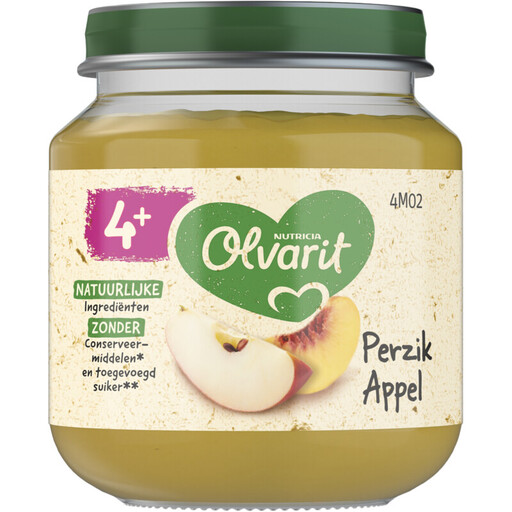
Why this fits the profile: According to the product information, this Olvarit fruit purée is suitable from 4 months and contains peach, apple, banana and rice flour.
The age recommendation and 125g content are clearly stated. According to the product information, there is no added sugar or preservative; natural sugars are present.
125g content, fruit as the main ingredient and a specific storage recommendation of up to 48 hours after opening in the fridge.
We’ve put together a full, up-to-date list of products that fully meet these strict selection criteria and comply with current European safety regulations.
If you’re looking for savoury or sweet grain porridge, you could consider variants with red beans, black rice, sesame, dates or fruit and vegetables. The red bean porridge from Family Whole contains, according to the product information, 22% oat flakes and 2% red bean powder, but also wheat, soya, barley and sesame.
For a savoury choice, there’s a vegetarian instant oat variant with 28% oat flakes and salt. A fruit and vegetable porridge lists 8% fruit and vegetables, including red date, spinach, carrot, pumpkin and okra. Check the salt content and allergens for both products.
For babies, an organic prune purée such as Ella’s Kitchen BIO Prunes 4M+ 70GR and other baby fruit purées are separate categories. Ella’s Kitchen lists 100% organic prunes, with no added water and no added sugar. The information also states it’s gluten-free and allergen-free, but always check the current packaging. An alternative from 6 months is Olvarit Banana Apple Yogurt 200g, which according to the product information contains milk.
Use the amount of water stated on the packet. For several Family Whole products, that’s around 175ml per 35g sachet. Stir thoroughly and check the temperature before eating. For some starch-based products, it works better to first dissolve in around 20ml of warm water and then top up with boiling water.
Store unopened sachets in a cool, dry place and follow the best-before date on the packet. Once opened, it’s best to seal the box tightly. For baby fruit purée, a shorter period usually applies: keep any leftovers sealed in the fridge and use within 48 hours, as per the product advice.
That depends on the product. Instant cereals for adults are not automatically suitable for babies. For young children, choose a product with a clear age recommendation, such as 4 months+ or 6 months+, and read the ingredients, allergens and preparation instructions thoroughly.
