
Vandaag of morgen in huis

Kwaliteit gegarandeerd

Welkomstaanbiedingen ontgrendelen: GRATIS bezorging | Tot 80% korting | Gratis 30 dagen JoyPlus-proefperiode
Download de app
A pack of instant beef noodles might seem straightforward to choose. Yet products vary widely in portion size, preparation, spiciness, ingredients and salt content. A striking packet or the term “authentic flavour” doesn’t always tell you enough about what you’re actually buying.
For students, office workers and families, the choice usually comes down to three things: quick to prepare, plenty of flavour, and packaging that suits how you’ll use it. Below, you’ll find out what to check on the label and which varieties suit different buying profiles.
With many instant ramen beef products, the flavour comes mainly from spices, soy sauce, yeast extract and flavourings. Sometimes there’s a small amount of beef powder or beef extract in the ingredients list. That’s quite different from a meal with a generous portion of meat.
So look at the ingredients and any quantitative ingredient declaration. For example, Bai Xiang Classic Spicy Beef Flavor states 5% beef. The product name indicates a spicy beef flavour, but not that the pack contains a large amount of beef.
An instant noodles 5-pack is handy if you want a quick meal every now and then. For a household, office or store cupboard, an instant noodles bulk pack might be more appealing. But always compare the price per 100g or per serving. A box of 30 sachets also takes up more storage space and has a single best-before date for the whole box.
Spiciness varies by recipe and personal preference. With some spicy beef noodles, the chilli comes in a separate sachet so you can adjust the amount. For halal products, check the packaging, ingredients and any certification information. A product with “Halal Food” in its name shouldn’t be assumed to be certified halal without checking.
Also, “non-fried” isn’t a general health claim. It describes a production method, but says nothing about the total salt, fat or energy content. According to some brands’ own information, such noodles aren’t fried; always check the current label before you buy.
A standard sachet often weighs around 100g. Well-known Japanese instant ramen, such as Nissin Demae Ramen, are usually prepared by adding boiling water and waiting about three minutes. Other products need cooking in a pan, for example three to four minutes.
With cup noodles, pay attention to the contents per pot. They’re practical for the office or on the go, but don’t always contain the same amount as a 100g sachet. Also check how much water is needed: 400, 500 or 540ml makes a difference to flavour strength and portion volume.
Most Chinese instant noodles and Japanese instant ramen contain wheat and gluten. In addition, soya, egg, peanut, fish, milk, celery, mustard and sesame appear in some varieties. Hefu Spicy Beef Noodles, for example, lists wheat, egg, soya, peanut, fish and sulphites as allergens.
Read the ingredients list before buying, especially if you’re cooking for several people. The phrase “may contain traces” is also relevant if you have allergies. Product information can change; the packaging remains the authoritative source.
Nutritional values are usually given per 100g, but check whether this refers to dry or prepared values. Across different varieties, the salt content is around several grams per 100g according to product information. If you don’t use all the seasoning oil or the entire powder sachet, the flavour and composition of the prepared meal will change.
A practical approach: add part of the seasoning powder first and taste afterwards. That way you can adjust the intensity more easily without needing to buy extra ingredients.
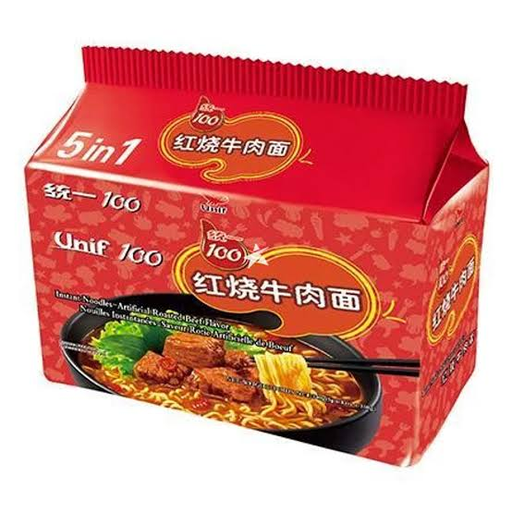
Why this suits the profile: A straightforward 5-pack with 100g sachets is ideal for trying Chinese instant noodles without committing to a large box straight away.
The net quantity is clearly stated as 5 × 100 g. This makes it easier to compare the portion and price with other 5-packs.
Ready in about five minutes; includes a seasoning and vegetable sachet alongside the noodles.
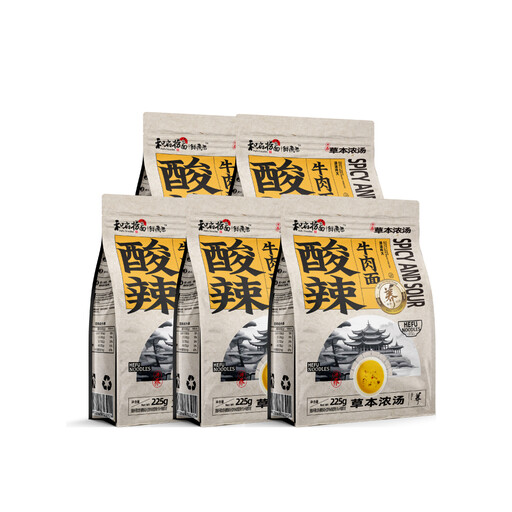
Why this suits the profile: This meal kit is designed for a more substantial bowl, with semi-dried noodles, broth, braised beef and pickled vegetables.
The pack contains more than just powder: there are separate sachets for broth, beef and pickled vegetables. According to the product information, the beef component is 75% beef.
225 g per serving; cooking takes 3–4 minutes according to the instructions, with separate heating of the broth and beef.
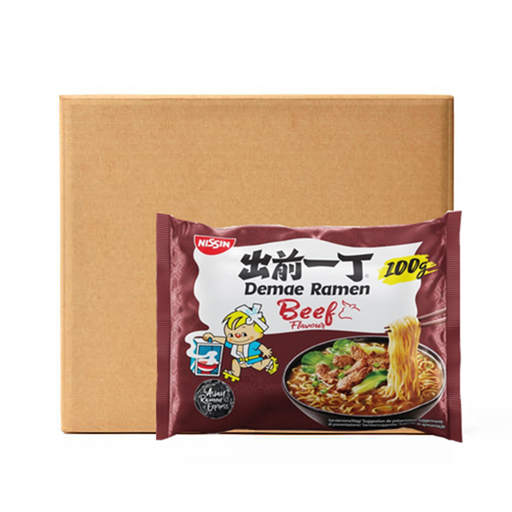
Why this suits the profile: The box of 30 individual sachets is ideal for families, shared store cupboards, student houses and offices where a quick meal is needed regularly.
The total quantity and number of servings are clear upfront: 30 sachets of 100 g. This makes stock planning easier than buying individual packs.
Individual portions; ready in a few minutes according to the product description; contains wheat and soya.
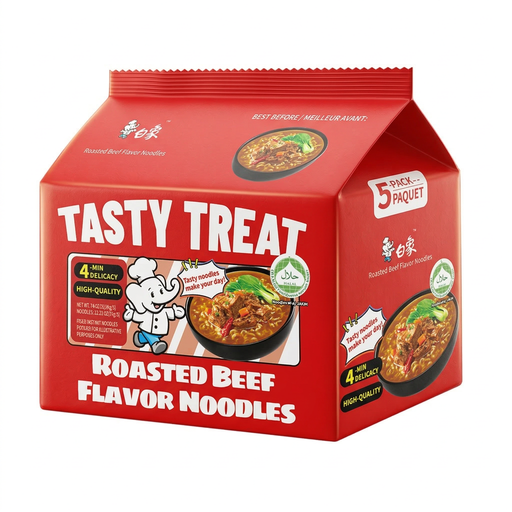
Why this suits the profile: The product name mentions halal and the pack contains five separate portions. Always check the current halal declaration and ingredients on the packaging before consumption.
The allergen information lists wheat and soya. By checking this data together with any certification, you avoid relying solely on the product title.
5 × 84 g; prepare with approximately 500 ml boiling water and steep for 3–4 minutes according to the product information.
We’ve put together a full, up-to-date list of products that fully meet these strict selection criteria and current European safety regulations.
The best-before date is on the packaging. Store the sachets or pots in a cool, dry place away from direct sunlight. Don’t use a product if the packaging is damaged. Once prepared, eat the noodles straight away; don’t keep a cooked bowl at room temperature for long.
That varies by product. Some packs carry “Halal Food” in the product name, but always check the current ingredients list, certification information and allergens on the packaging. Also look out for possible cross-contamination if that’s important to you.
Add spring onion, pak choi, an egg or extra vegetables, for example. Use the seasoning oil to taste and keep an eye on the salt content of the base. With a meal kit that has several sachets, you can dose the components separately. That way you can turn quick meal noodles into a more generous bowl without making the preparation complicated.
