
Same-day & Next-day Delivery

Quality Guaranteed

Unlock Your Welcome Offers: FREE Delivery | Up to 80% OFF | Free 30-day JoyPlus trial
Download the APP
A hot meal without a pan, hob or lengthy preparation sounds convenient. Yet instant Asian meals vary greatly in preparation, portion size, storage method and nutritional values. If you only rely on flavour images or claims like "authentic taste", you could end up buying a product that doesn't suit your situation.
This is especially relevant for students, commuters, travellers and campers. A self-heating rice meal is handy when you're out and about, while instant rice noodles are often cheaper and lighter to keep in stock.
A self-heating rice meal uses a separate heating pack. This usually requires cold water and takes around 15 minutes to heat up. The packaging can become hot, and the heating pack must not be used in a microwave or over an open flame. Always follow the instructions on the label.
Also check whether you have enough space after preparation. A bowl that's fine at home may be less practical in a small tent or student room.
A pack weighing 245 to 272 grams sounds generous, but the stated weight may include water, sauce, rice and vegetables together. So look at the nutritional values per portion rather than just the net weight. Some products are intended as a single-serving meal; others are a snack or base that you supplement with egg, vegetables or meat.
Terms like Sichuan-style, Cantonese-style or Vietnamese flavour refer to a recipe style, not a fixed quality standard. According to the brands' own product information, flavour profiles such as sweet, sour, spicy or savoury are recreated using herbs, sauces and flavour enhancers.
If you have allergies, always read the ingredients list. In this category, soya, wheat, gluten, milk, fish and sesame appear regularly. When in doubt, the actual packaging is the deciding factor.
There are three practical groups:
For travel and camping, a self-heating meal makes sense. For the office, a student room with a kettle, or a store cupboard, instant rice noodles are often simpler.
Compare the values per portion. The Acecook Instant Rice Noodles Chicken Bowl states approximately 275 kcal and 4.0g of salt per 71g pot. That makes the product practical as a quick lunch, but the salt content is an important buying criterion.
The Zi Hai Guo Mushroom & Beef meal states per 100g, among other things, 216 kcal, 7.6g fat and 255mg sodium. Note that values per 100g are not directly comparable with values per complete pack.
Dry instant noodles and unopened self-heating meals can generally be stored in a cool, dry place. Frozen products, such as dumplings, require a freezer and must not be refrozen after thawing. Check the best-before date, packaging and storage instructions upon receipt.
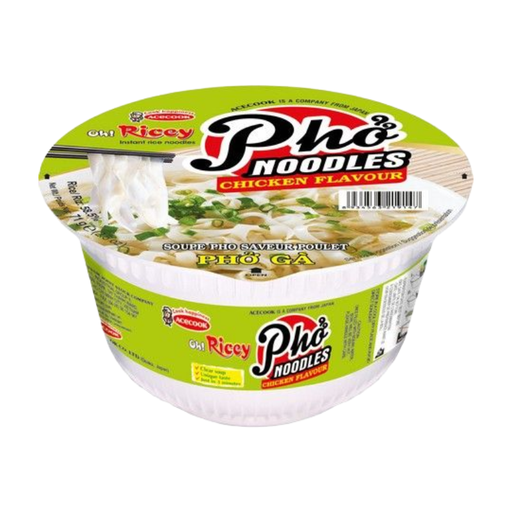
Why this fits the profile: The box contains 12 individual 71g pots. You only need boiling water, making this a simple choice for lunch, stocking up or a quick meal at the office.
The portion size and nutritional values are stated per pot. This allows you to better assess the quantity and salt content in advance.
Individual portions, chicken broth and preparation with boiling water. According to the product information, contains soya and gluten.
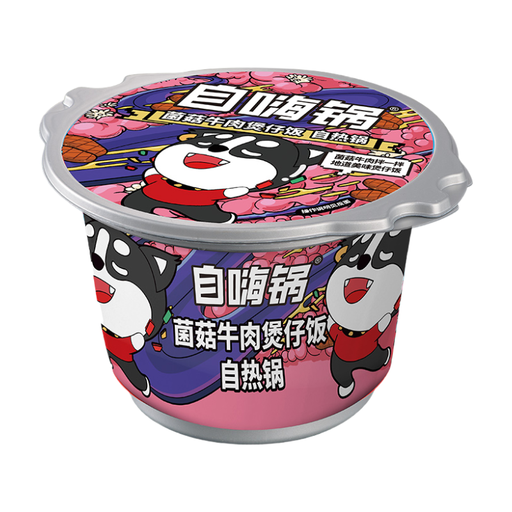
Why this fits the profile: This single-serving meal combines rice, mushrooms, beef and separate sauce and water sachets. It suits those who pay more attention to texture and flavour development.
The product information states the portion, 245g net weight and allergens such as wheat and soya. Do check whether the actual packaging shows the same details.
Self-heating, no hob needed and a flavour combination of mushroom and beef. Preparation takes approximately 15 minutes according to the description.
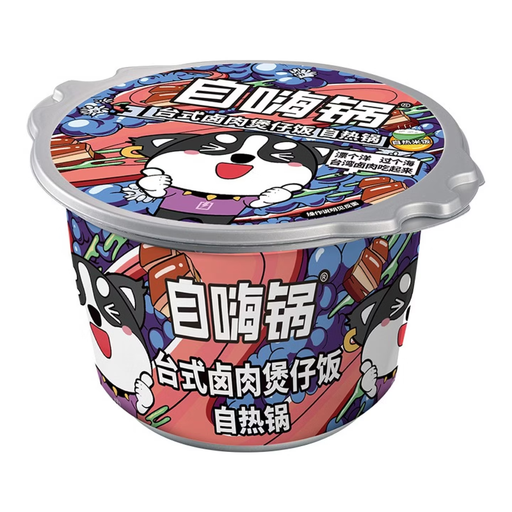
Why this fits the profile: A practical option for travel, overtime, camping or a store cupboard without a microwave. The Taiwanese braised sauce offers a different direction from a standard chicken noodle.
The meal explicitly states a heating function and room-temperature storage. Use the heating pack strictly according to the instructions.
No electricity or fire needed; a separate rice and sauce combination with 260g net weight. Contains wheat and soya.
We've put together a full, up-to-date list of products that fully meet these strict selection criteria and comply with current European safety regulations.
Place the rice, sauce and any other sachets in the bowl according to the packaging. Add the stated amount of water to the heating pack and close the bowl. Wait the specified time, often around 15 minutes. Open carefully because of hot steam. Do not use the heating pack in a microwave or over an open flame.
Yes, dry instant rice noodles are compact and usually don't need refrigeration. Pay attention to the best-before date, damaged packaging and allergens. For a more filling meal, you can supplement them with vegetables, egg or a pre-prepared source of protein.
In addition to the purchase price, equipment and storage also count. Instant noodles usually only need boiling water. Self-heating meals don't require a microwave or hob, but contain a single-use heating pack. Frozen meals can be good value per portion, but need freezer space and preparation with a pan or microwave.
