
Vandaag of morgen in huis

Kwaliteit gegarandeerd

Welkomstaanbiedingen ontgrendelen: GRATIS bezorging | Tot 80% korting | Gratis 30 dagen JoyPlus-proefperiode
Download de app
An inflatable camping mat might seem simple to choose at first. But small differences in thickness, valves and materials can have a big impact on your night’s sleep. A mat that looks roomy and comfortable online may turn out to be too heavy for your backpack, slowly lose air or be difficult to fit back into its carry bag.
As a Joybuy Product Recommendation Officer, I focus on product specifications you can check. Marketing terms tell you less than the dimensions, weight, construction and inflation method.
A thick tent sleeping mat generally keeps you further from uneven ground. That can be useful on a campsite with stones or roots. However, a higher mat isn’t automatically suitable for backpacking. Always check the product weight and packed dimensions.
A mat weighing several kilos is better suited to car camping than a walking trip. For backpacking, an ultralight camping mat with a compact packed size is more practical, even if it’s slightly narrower or thinner.
The term self-inflating sleeping mat isn’t always used in the same way. Some models partly inflate using foam, while others have a built-in foot pump or hand pump. Either way, check how many steps are involved and whether you’ll need to use your mouth, a separate pump or a power source.
A sleeping mat with a foot pump is handy in places without electricity. A built-in electric pump is more suited to a spacious family tent or a campsite you’re driving to, but it requires a suitable power source or power bank.
A 15 cm mat may look comfortable, but its width and length also affect how well you sleep. For adults, a length of around 190 cm is often a practical starting point. Side sleepers usually benefit more from ample width and even air distribution.
Pay attention to the valves too. A dual valve can make inflation and deflation quicker, but always close it fully before lying down. When you arrive at the campsite, check the seams and connections as well.
For walkers and backpackers, weight and folded size are often more important than maximum thickness. A compact sleeping mat about the size of a drinks bottle takes up less room than a wide air mattress for two.
Check not only the weight of the mat, but also the included bag, repair kit and pump. On a long trip, every item counts.
Compare the inflated length, width and height with your sleeping bag and tent floor. An extra-wide mat may be more comfortable, but it needs to fit inside your tent. Air cells or ridges can help distribute pressure across the surface. The exact feel varies depending on your sleeping position and personal preference.
A built-in pillow is handy if you want to carry fewer separate items. It won’t replace a separate pillow for everyone, so check the height and shape of the pillow section.
Nylon with a TPU coating is a commonly used material for lightweight sleeping mats. According to VXOYO’s product description, this mat is made from 50D nylon with a built-in TPU seal. The description also mentions water resistance and a soft, quiet finish. These are product specifications and claims made by the brand; they don’t guarantee protection from damage caused by sharp stones or incorrect use.
Always place a groundsheet or tent floor beneath the mat, and avoid twigs, glass and sharp edges. Clean the mat with a damp cloth, don’t use harsh cleaners, and only pack it away once it’s completely dry.
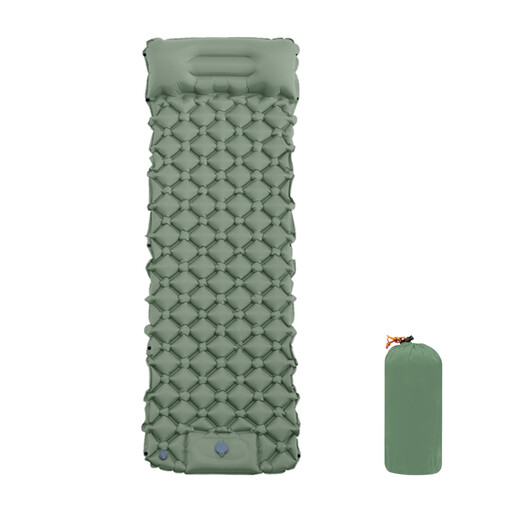
Why it suits this type of camper: This single mat combines a thickness of 15 cm with a stated weight of 690 grams. According to the product description, it has a built-in pillow and foot pump, so you don’t need to bring a separate pump.
The listing gives the exact dimensions, weight and packed size of 26 x 10 cm. This makes it easier to assess how portable it is than relying on the term “ultralight” alone.
192 x 58 x 15 cm, built-in pillow, foot pump, dual valve and buttons for connecting two mats.
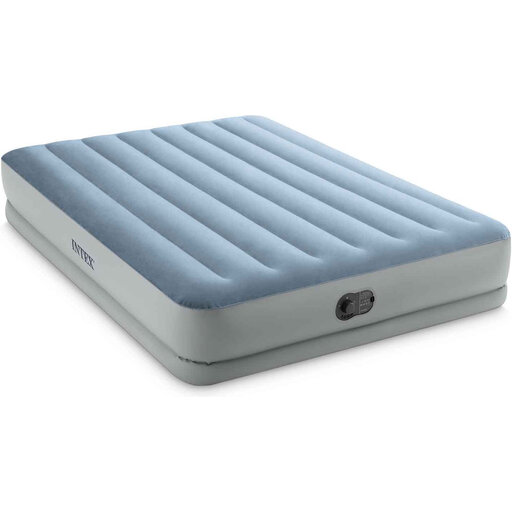
Why it suits this type of camper: This double airbed, measuring 203 x 152 x 36 cm, is designed for spacious tents, car travel and use as a guest bed. At 5,90 kg, it’s less suited to backpacking, but practical when comfort and space come first.
The weight and dimensions are clearly listed. This makes it immediately clear that this is a camping bed for transporting in a vehicle, not a compact sleeping mat for long walks.
Suitable for two people, 36 cm high and fitted with a built-in USB electric pump. A suitable power source is required.
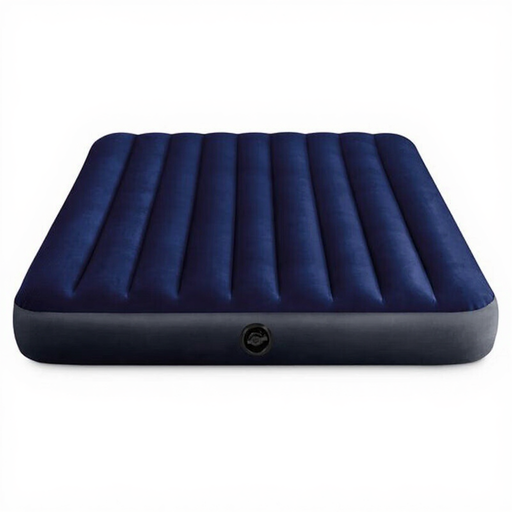
Why it suits this type of camper: This model sleeps two people and measures 203 x 152 x 25 cm. It’s suited to family tents, festivals where you’re travelling by vehicle, and temporary use as a guest bed.
The product information specifies a 2-in-1 valve and recommends topping it up several times when first used. This helps prevent temporary material stretch from being mistaken for a leak.
Double size, 25 cm height, PVC construction and a 2-in-1 valve for inflation and deflation.
We’ve put together a complete, up-to-date list of products that meet these strict selection criteria and the current European safety requirements.
It depends on the model. To inflate a mat with a foot pump, operate the pump with your foot or hand. An electric airbed needs a suitable power source. Once inflated, close all the valves securely and check that the mat is lying flat inside the tent.
Its lifespan depends on the materials, seams, storage and how it’s used. Don’t place the mat directly on sharp ground, drag it across the tent floor or pack it away wet. A repair kit is useful for small repairs, but check the manufacturer’s advice first.
A model with a foot pump doesn’t use electricity. An electric pump may need a mains socket, power bank or car socket. So check not only the purchase price, but also which pump and power supply are included.
