
Vandaag of morgen in huis

Kwaliteit gegarandeerd

Welkomstaanbiedingen ontgrendelen: GRATIS bezorging | Tot 80% korting | Gratis 30 dagen JoyPlus-proefperiode
Download de app
As an expecting or new parent, you face countless decisions. The search for the right infant formula can feel overwhelming. Packaging filled with promises, different numbers, and a dizzying array of brands make it difficult to determine what you really need. As a result, many parents make choices that are not ideal for their budget or their baby.
As a Joybuy Product Recommendation Officer, I'm here to help you cut through the marketing jargon. Let's look at the most common pitfalls so you can make an informed choice.
Pitfall 1: Overpaying for marketing claims. Brands often highlight "unique" ingredients. The reality is that all formula for babies from 0 to 6 months in the EU must meet very strict legal requirements. The basic nutritional value is therefore largely standardised. A higher price does not automatically mean better nutrition.
Pitfall 2: Choosing the wrong type of formula for the age. The difference between formula with number '1' and '2' is essential. Complete infant formula (0-6 months) is formulated differently than follow-on milk (from 6 months). Accidentally using follow-on milk for a newborn is not advisable.
You don't need to be a nutritionist to choose the right bottle-feed. Pay attention to the following three practical points, and you'll almost always make the right choice.
The numbering on the packaging is your most important guide. This system is designed to prevent confusion.
In the EU, the composition of bottle-feed is strictly regulated. Every complete infant formula (type 1) must contain a specific amount of proteins, fats, carbohydrates, vitamins, and minerals. The base is almost always cow's milk.
Some brands add extras, such as prebiotic fibres (GOS/FOS) or probiotics. According to manufacturer Danone, for example, their Nutrilon formula contains a combination of scGOS/lcFOS and 3'GL fibres. Although manufacturers emphasise the benefits of these, the basis of all approved formulas is complete and safe.
Many parents choose to combine breastfeeding and bottle-feeding. Any complete infant formula (type 1) is suitable for this. The choice of a specific brand is less important here than the practical approach. A smooth transition often depends on a calm introduction and the right equipment, such as a good bottle or convenient storage bags for pumped milk.
Below are some product options, linked to specific situations you may face as a parent.
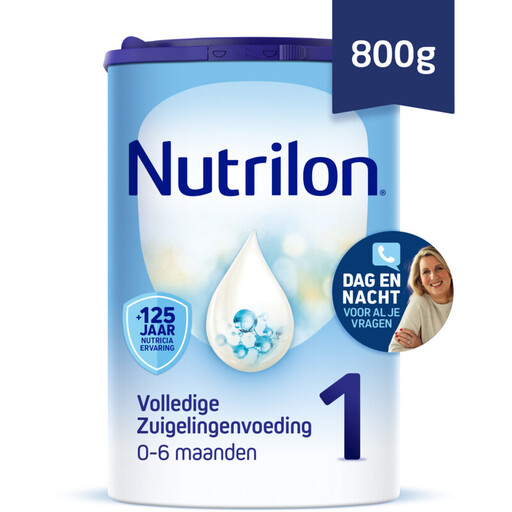
Why this is a good fit: This is a widely used and broadly available complete infant formula, suitable from birth. For parents who want a clear and reliable start with bottle-feeding, this is a straightforward choice that meets all legal requirements.
This product directly addresses the 'wrong type' pitfall. The '1' on the packaging clearly indicates that it is complete infant formula for the first 6 months, not follow-on milk.
Complete milk-based formula, suitable from birth. Contains all legally required nutrients for babies in this age category.
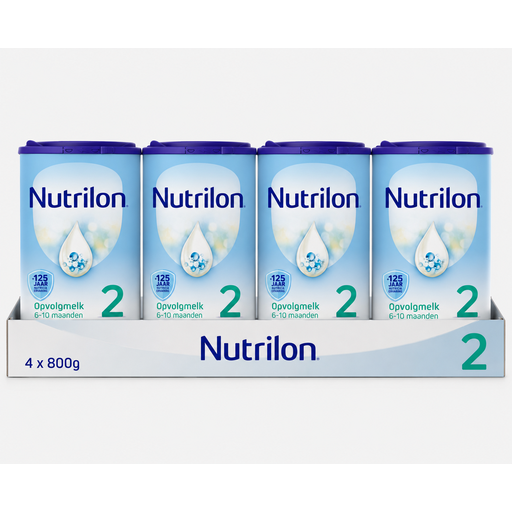
Why this is a good fit: Once your baby is 6 months old and starts on solid foods, you switch to follow-on milk. This product is specifically designed for the 6 to 10-month phase and meets the changing nutritional needs of your child as part of a varied diet.
The clear '2' and the term 'Follow-on Milk' on the packaging make the distinction from infant formula clear. This prevents the mistake of giving the wrong type of formula after the first 6 months.
Tailored to the nutritional needs of babies from 6 months, as part of a mixed diet. Contains an adjusted amount of nutrients, such as iron.
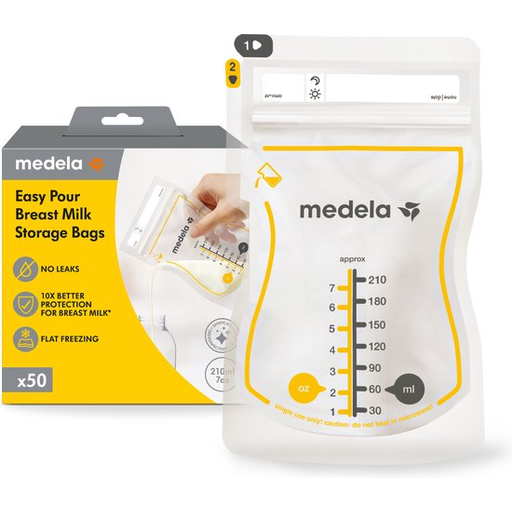
Why this is a good fit: For parents who combine breastfeeding and bottle-feeding, storing pumped milk is a daily reality. These storage bags offer a practical and hygienic solution for freezing or refrigerating breast milk.
This product focuses on the practical challenge of combining, rather than on the marketing of a specific 'combination formula'. It provides a concrete solution for the logistical aspect of combination feeding.
Leak-proof design with a double zipper for safe storage and transport of breast milk. The bags are BPA-free and can be frozen flat to save space.
We have compiled a complete, up-to-date list of products that meet these strict selection criteria and regulations.
For a newborn baby (0-6 months), always choose complete infant formula, indicated by a '1' on the packaging. In the EU, all formula in this category is legally required to be complete and contain all necessary nutrients. It is always wise to consult with your child health clinic or doctor before making a final choice or starting with bottle-feeding.
Nutrilon 1 is a complete infant formula, intended for babies from 0 to 6 months. It can serve as the sole source of nutrition. Nutrilon 2 is follow-on milk, suitable for babies from 6 months onwards. It is intended as part of a varied diet, alongside the first solid foods. The composition is different and tailored to the changing needs of an older baby, with, for example, a higher iron content.
Yes, in principle, you can. All brands of complete infant formula (type 1) must meet the same strict legal composition requirements. The basis is therefore equivalent. However, the taste or texture may differ slightly, so some babies may need time to adjust. If your baby experiences issues after the switch (such as intestinal cramps), it is advisable not to switch too often and to seek advice from your child health clinic.
