
Vandaag of morgen in huis

Kwaliteit gegarandeerd

Welkomstaanbiedingen ontgrendelen: GRATIS bezorging | Tot 80% korting | Gratis 30 dagen JoyPlus-proefperiode
Download de app
Buying a new pan might seem straightforward, until you discover that not every pan works well on an induction hob. The base can be too small, a non-stick coating can wear out faster than expected, and a “dishwasher-safe pan” isn’t always the most practical choice for everyday care.
This buying guide will help you compare induction pans by material, size, cooking performance and maintenance. That way, you won’t end up paying mostly for marketing claims.
A 28 cm pan doesn’t automatically have a 28 cm base. With induction, it’s the diameter of the magnetically compatible base that really matters. A large pan with a relatively small base can heat less efficiently or may not fully align with the cooking zone.
So, check:
Some models explicitly state the recommended cooking zone. For example, the Brabantia Onyx wok has a base diameter of 16 cm. According to the product information, it fits an induction zone of a similar size.
An induction pan with a non-stick coating still needs careful use. Metal spatulas, high temperatures and a quick switch from a hot pan to cold water can damage the coating. With ceramic coatings, manufacturers usually recommend wooden, silicone or plastic utensils.
A PFAS-free pan is also not the same as a pan that will keep its non-stick performance for years without any care. Always check:
According to the product description, the Brabantia Dusk set has a PFAS-free ceramic coating. The Naturepan set states a PTFE-, PFAS- and PFOA-free ceramic coating. These are product specifications from the respective suppliers; check the current packaging and product page for the most up-to-date information.
A large induction pan set can seem like good value, but unused sizes just take up space. A one- or two-person household often gets more use from a frying pan of 20 to 24 cm, a saucepan and possibly a stockpot.
For families, an induction frying pan of 24 to 28 cm, a sauté pan and a stockpot are more practical. If you often make stir-fries, it’s better to look specifically for an induction wok with a sufficiently flat base.
An aluminium pan generally heats up quickly and is relatively light. For induction, it needs a suitable induction disc or magnetic base. A stainless steel pan is sturdy and suitable for high temperatures, but food can stick more easily if you don’t preheat the pan properly.
A multi-layer construction, such as tri-ply, combines stainless steel with an aluminium core. According to the product description of the PURECOOK 304 Triple-Ply frying pan, this construction supports even heat distribution. That is a technical product claim from the supplier, not a guarantee that every dish will cook without sticking.
Use these guidelines as a starting point:
An induction stockpot with a glass lid is handy when you want to keep an eye on the cooking process. With a large pan, also consider the weight, the handles and the size of your induction zone.
A dishwasher-safe pan is practical, but hand washing can keep the coating, colour and handles looking good for longer. Also check whether the pan is oven-safe and up to what temperature. According to the product information, the Brabantia Dusk set is oven-safe up to 200 °C. The Naturepan set states a maximum oven temperature of 260 °C.
Let a pan cool down before washing it. Avoid abrasive sponges and, with a ceramic or other non-stick coating, don’t use sharp metal utensils. With stainless steel, the “hot pan, cold oil” method, according to the product information for the Maxcook wok, helps to reduce sticking.
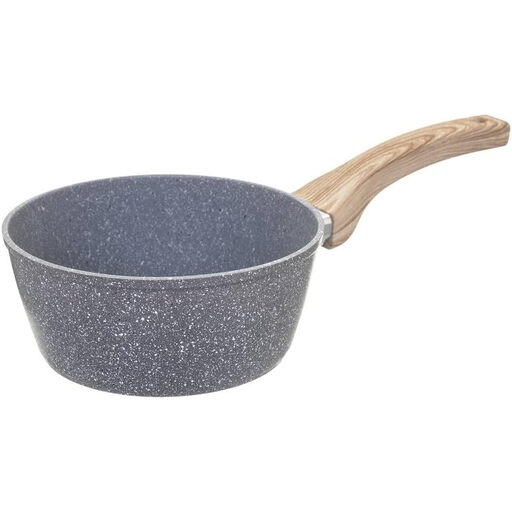
Why this fits the profile: A compact saucepan for everyday tasks like sauce, porridge and small portions. The stated capacity is 2.5 litres.
The product information mentions the induction-compatible stainless steel disc and a diameter of 19 cm. Do check the exact dishwasher information before purchase, as the description contains different mentions of this.
Aluminium body, suitable for gas, induction, ceramic and electric hobs, with a weight of approximately 610 grams.
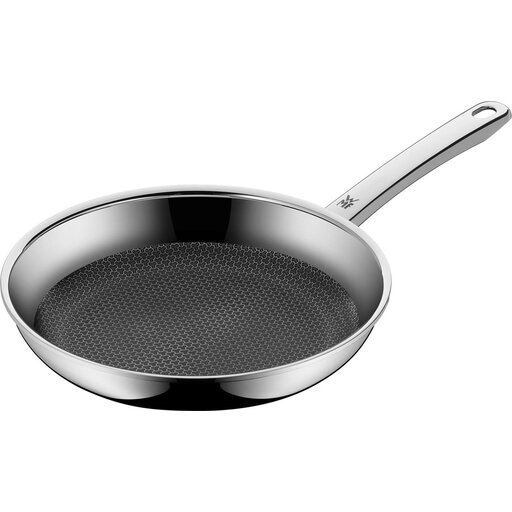
Why this fits the profile: An option for those who want to combine stainless steel with a stated honeycomb structure and non-stick coating.
The product page clearly states that this pan is not dishwasher-safe. That prevents a wrong expectation about maintenance.
Suitable for induction and other heat sources, heat-resistant up to 260 °C according to the product information, and supplied with a stated five-year guarantee.
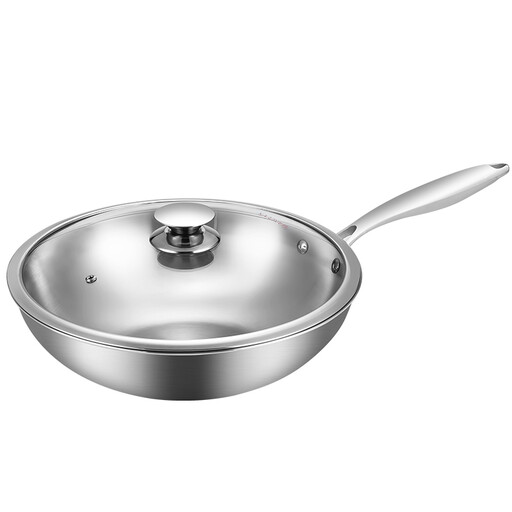
Why this fits the profile: Designed for stir-frying, searing and family meals. The wok comes with a glass lid.
According to the product information, this wok has no chemical non-stick coating. This means you avoid a coating that can be damaged by the wrong utensils, but you do need to use the right cooking technique.
Tri-ply 304 stainless steel, suitable for induction, gas, electric and ceramic hobs; the product information also mentions dishwasher use.
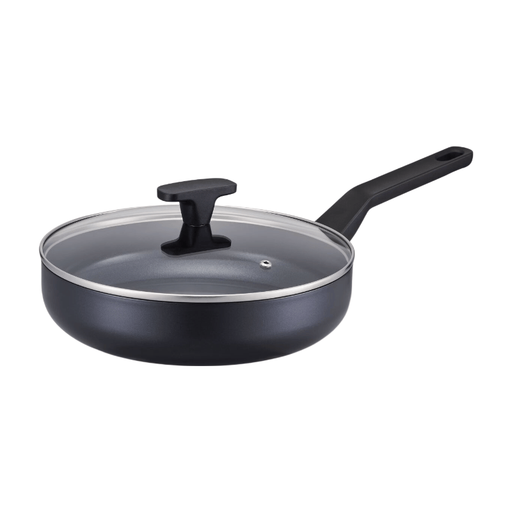
Why this fits the profile: An induction sauté pan is practical for stews, sauces, vegetables and one-pan meals.
According to the product description, this pan is PFAS-free and has a ceramic double non-stick coating. Hand washing is recommended to help extend the life of the coating.
26 cm, glass lid, suitable for all stated heat sources and made from, according to the product information, 100% recycled aluminium.
We’ve put together a full, up-to-date list of products that fully meet these strict selection criteria and current European safety regulations.
Check the product description for “suitable for induction” and look at the base. A magnetic base is essential. At home, you can hold a magnet against the bottom, but also check that the base is flat and fits the cooking zone well.
The lifespan depends on the material, how often you use it and how you care for it. A stainless steel pan has no non-stick coating that can wear out, but it requires more attention during cooking. With a ceramic frying pan, low to medium temperatures, suitable utensils and hand washing help to protect the coating.
Energy consumption depends on cooking time, power, pan size and the contact between the pan base and the cooking zone. A flat base with a suitable diameter helps transfer heat efficiently. Turn the hob down once a dish is boiling and use a lid when the recipe allows.
