
Vandaag of morgen in huis

Kwaliteit gegarandeerd

Welkomstaanbiedingen ontgrendelen: GRATIS bezorging | Tot 80% korting | Gratis 30 dagen JoyPlus-proefperiode
Download de app
Buying a new pan for your induction hob seems simple. The shelves are full of pans promising they are "suitable for induction." Yet, many people end up with a pan that wobbles, heats unevenly, or needs replacing after just a few months. Marketing promises don't make the choice any easier.
As a Joybuy Product Recommendation Officer, I see where things go wrong every day. Before you make a decision, it's wise to understand the most common pitfalls:
You don't need to be an expert to avoid a bad purchase. Pay attention to a few concrete specifications that make the difference between a pan that simply works and one you'll enjoy for years.
The secret to a great induction pan lies in its base. It must be ferromagnetic, which means a magnet will stick to it. But that's not all. A quality induction pan has a thick, flat sandwich base. This is a base made of multiple layers, often with aluminium or copper sandwiched between layers of stainless steel. This construction ensures fast and, most importantly, even heat distribution across the entire surface. This prevents hot spots where your food burns while the rest is still undercooked. A pan with such a base is also often suitable as a pan for all heat sources, which is useful if you switch to a different type of hob in the future.
The material of the pan determines its durability, maintenance, and cooking experience.
stainless steel pan is ideal for cooking soup, pasta, or making sauces. It requires a bit more attention to prevent food from sticking, but with proper care, it can last a lifetime.Functionality is often in the details. A pan with a glass lid is very practical. You can monitor the cooking process without lifting the lid, which saves heat and energy. Also, pay attention to the handles. Make sure they are securely attached and preferably stay cool during cooking. Silicone or hollow steel handles often provide a solution here.
Based on objective specifications, we have selected a number of pans that suit different cooking needs and avoid the pitfalls mentioned earlier.
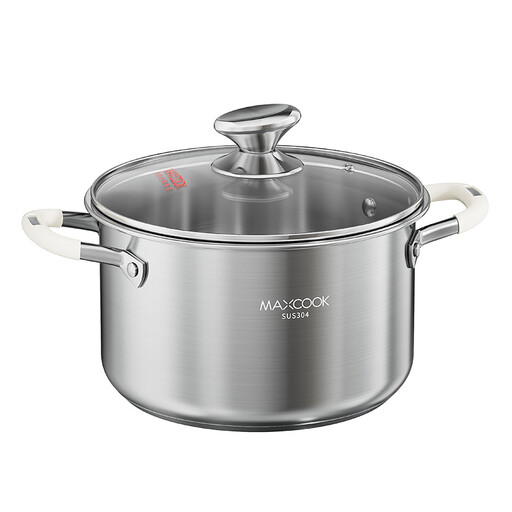
Why This Fits Their Persona: Ideal for preparing meals for the whole family. This spacious stock pot is perfect for soups, stews, or a large batch of pasta. A true all-rounder for daily use.
This pan is made of durable 304 stainless steel without a coating that can wear off. The generous size (4.3L) is specifically chosen for family meals, helping you avoid the pitfall of a pan that's too small or impractical.
Large capacity for family-sized portions. Silicone handles for a secure, cool grip. Includes a glass lid to monitor the cooking process.
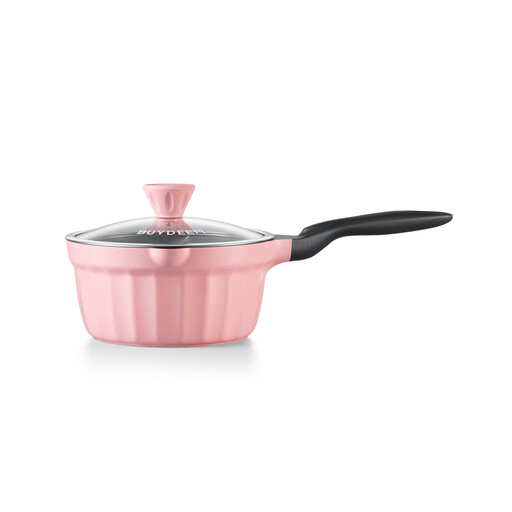
Why This Fits Their Persona: Perfect for those who want to cook healthily without the fuss. This saucepan is ideal for heating milk, cooking oatmeal, or making a quick sauce, with the assurance of a safe non-stick coating.
This pan tackles the pitfall of unsafe coatings. The Swiss ceramic coating is explicitly free of PFAS, PFOS, and PFOA, providing peace of mind about material safety.
Cast aluminium ensures fast, even heating. The pan features a convenient built-in pouring spout, ideal for liquids. The handle stays cool during use.
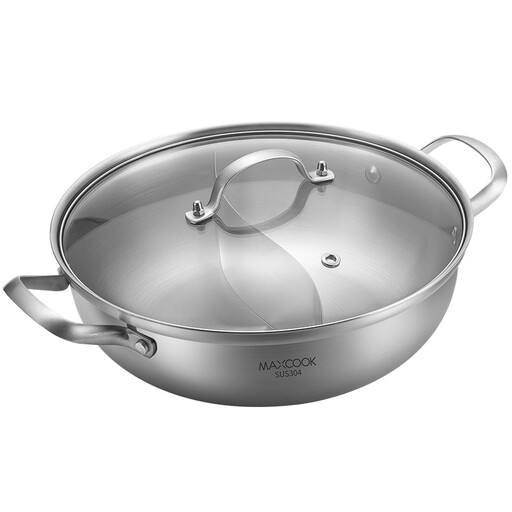
Why This Fits Their Persona: For those who love communal dining and social gatherings. This hot pot is specially designed for dinners with friends or family, allowing everyone to choose their own favourite broth.
This is the opposite of a generic pan. It's a specific `hot pot` that avoids the pitfall of an unused pan set by perfectly matching a clear need: communal dining.
The divider makes it possible to serve two different broths at the same time. The 3-layer base ensures fast and even heating, ideal for hot pot.
We have compiled a complete, up-to-date list of products that fully meet these strict selection criteria and UK safety regulations.
The easiest way is the magnet test. Hold a magnet to the bottom of the pan. If the magnet sticks firmly, the pan is suitable for induction. Also, check that the base is completely flat for optimal contact with the hob.
A soft buzzing or ticking sound is normal when cooking on induction. This is caused by the magnetic fields interacting with the layers in the pan's base. The sound is often louder at higher power settings and with pans of a lighter construction. It is generally not a sign of a defect.
A stainless steel pan is very durable but can develop stains or a rainbow-like sheen over time. To prevent this, it's recommended to dry the pan thoroughly immediately after washing. For stubborn water spots or discolouration, use a little cleaning vinegar or lemon juice on a soft cloth. Avoid using steel wool or abrasive sponges, as they can cause scratches.
