
One-pan cook
You cook carrots and onions together and are mainly looking for a cooking zone that suits your pan and worktop. Inventum lists one zone for pans with a diameter of 15–20 cm on the KI120T.


If you cook your carrots and onions together in one pan, a single portable hob zone may be enough. If you want to cook them at the same time in separate pans, choose a hob with two suitable zones. A built-in hob is a better fit for a permanent cooking space or if you regularly use several pans, but you’ll need to check the cut-out dimensions and electrical connection. With a single-phase hob, the available power may be shared between the zones, so you may not always be able to use both at a high setting at the same time.
You cook carrots and onions together and are mainly looking for a cooking zone that suits your pan and worktop. Inventum lists one zone for pans with a diameter of 15–20 cm on the KI120T.
You want to cook the ingredients at the same time, but separately. You’ll need to consider both the space for your pans and the available power; Inventum lists two cooking zones for the VKI3020ZWA.
You’re looking for a built-in hob that fits your kitchen’s cut-out and electrical connection. If you’re unsure, the Dutch government advises checking your existing connection and asking a qualified installer for advice.
Choose this if: you cook carrots and onions together in one suitable pan and want a portable cooking option.
Bear in mind: you can only use one pan at a time; also check how much space you’ll need to set it up.
Choose this if: you want to cook the ingredients at the same time in separate pans without fitting a hob into your worktop.
Bear in mind: it takes up more worktop space, and on a single-phase connection you may not be able to cook on both zones at a high setting at the same time.
Choose this if: you want a permanent cooking space and the extra zones suit the way you usually cook.
Bear in mind: check the cut-out dimensions and electrical connection; installation may require some adjustments.
| What to consider | What should you check? | Who should pay particular attention? |
|---|---|---|
| Pan and low heat setting | Compare the diameter of the pan base with the cooking zone. Also check how the hob performs at low settings; the number of settings alone doesn’t tell you how evenly a particular model heats. | If I’m cooking carrots and onions together in one pan, I want my pan to fit the zone and the heat to be adjustable; around 36% of consumers prioritise this. |
| Two pans at once | Check that both pans fit on the zones and compare the total connected load with the power available when both zones are in use. | If I’m cooking carrots and onions separately at the same time, I need space for both pans; around 29% of consumers prioritise this. |
| Existing electrical connection | Check the connection requirements for the exact model, the socket or cooker circuit, and any other appliances on the same circuit. Ask an electrician to assess whether any changes are needed. | If I want to keep using my existing connection, I’ll first check what my home can support; around 21% of consumers make this their main priority. |
| Worktop space and storage | Measure the space the hob needs when in use, including the ventilation clearance specified in the manual for your chosen model. | If I have limited worktop space, I want to know whether I can put the portable hob away after cooking; around 14% of consumers prioritise saving space. |
With a single-phase hob, the available power may be shared between the zones. A boost setting for one zone doesn’t tell you how much power both zones can deliver at the same time.
Compare the total connected load and the conditions for using both zones at once with the way you plan to cook.
The cut-out, connection requirements and available power all help determine whether the hob will fit your kitchen. A higher-capacity mains connection isn’t automatically required.
Measure the cut-out and have your existing connection assessed before deciding whether installation changes are needed.
When in use, a hob needs a flat, heat-resistant surface and enough clear space around it. The required clearance varies by model.
Check the available space against the manual for the hob you choose.
In the Netherlands, statutory warranty applies alongside any manufacturer’s warranty. According to ACM ConsuWijzer, if a product breaks sooner than you could reasonably expect under normal use, the seller must offer an appropriate remedy at no extra cost.
Keep your proof of purchase and contact the seller if your product is faulty.
Offers portable hobs with one or two zones, including the KI120T and VKI3020ZWA.
The TILLREDA range includes portable induction hobs with one or two zones.
The built-in KIF360ZT is an example of a hob with multiple zones for a permanent cooking space.
The PIE63KBB5E is an example of a 60 cm built-in hob from the manufacturer.
The EH64KBFB5E is an example of a 60 cm built-in hob from the manufacturer.
This selection includes portable and built-in hobs with one or more zones, for cooking with one pan or several pans at once.
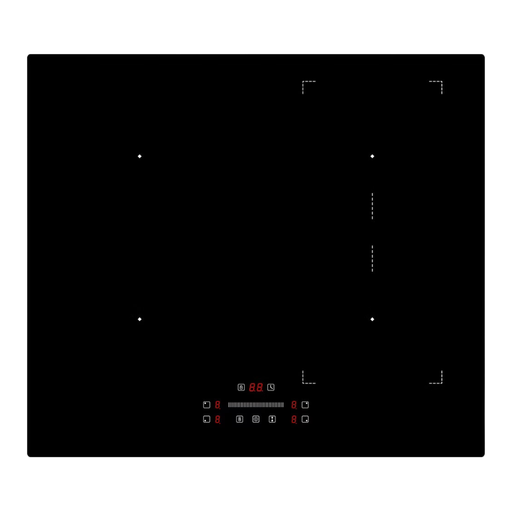 No image available
A built-in hob with four zones for anyone who wants to use several pans at the same time.
Features a bridge zone, timer and connection for one or two phases. The description specifies a cable without a plug for direct connection.
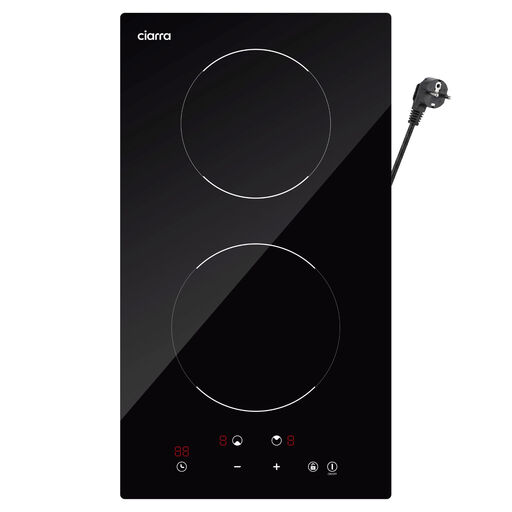 No image available
A built-in hob with two zones for anyone who wants to cook carrots and onions at the same time in separate pans.
The description lists nine settings, a timer for each zone and a cut-out of 270 × 490 mm. It also specifies a connection with a 16A fuse and installation by a professional electrician.
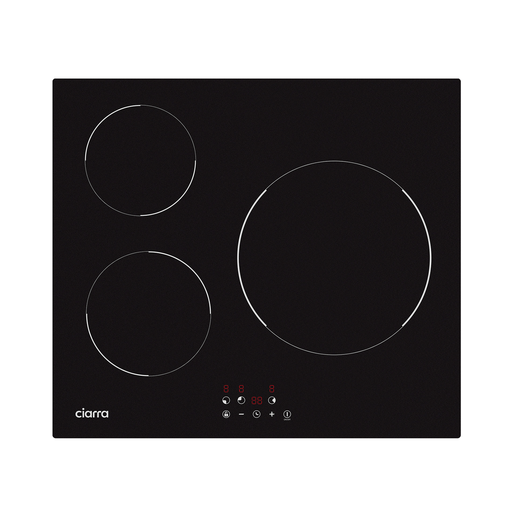 No image available
Three zones give you room to use several pans at once; if you only use one pan, this layout may offer more than you need.
The description lists nine power settings, a timer and touch controls. It also mentions pan detection, a child lock and overheat protection.
 No image available
A portable hob with one zone for anyone who cooks carrots and onions together in one pan.
The product information lists adjustable power from 200–2000 W, ten settings and a cooking zone diameter of 12–26 cm. The temperature setting ranges from 60–240 °C, according to the description.
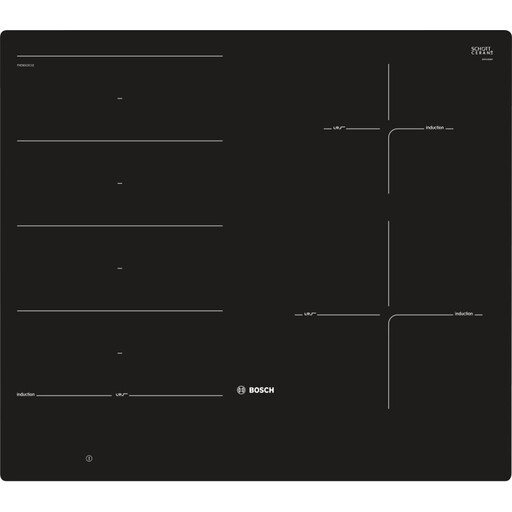 No image available
A built-in hob with four zones and a flexible zone for anyone using several pans or larger cookware.
The description lists 17 power settings, a timer with automatic switch-off and a connected load of 7,4 kW. The specified cut-out is 560 × 490–500 mm.
If the carrots and onions are going in the same pan, one suitable zone may be enough. If you want to cook them at the same time in separate pans, check that both pans fit on the zones. Bear in mind that with a single-phase hob, you may not always be able to use both zones at a high setting at the same time.
The base must contain a magnetisable layer. Milieu Centraal recommends checking this with a magnet; then compare the size of the pan base with the cooking zone you want to use.
Inventum specifies a single-phase connection via an earthed socket for the KI120T and VKI3020ZWA. For any other model, check the manual and the load on the circuit. The Dutch government says that a higher-capacity mains connection isn’t automatically required for electric cooking; have your setup assessed if necessary.
Follow the manual for the exact model and place the hob on a flat, heat-resistant surface, leaving the required clear space around it. The manual for the Inventum KI120T specifies at least 10 cm at the sides and back; don’t assume the same clearance applies to other models.
Yes. The Netherlands Food and Consumer Product Safety Authority states that CE marking is compulsory for electrical products. Check the marking on the specific product; on its own, it doesn’t indicate that the hob’s cooking performance has been tested.