
Vandaag of morgen in huis

Kwaliteit gegarandeerd

Welkomstaanbiedingen ontgrendelen: GRATIS bezorging | Tot 80% korting | Gratis 30 dagen JoyPlus-proefperiode
Download de app
Buying an induction hob seems straightforward until you start comparing models. A 60 cm, 80 cm or 90 cm hob requires a different amount of space in your kitchen. The number of phases, the power rating and the pans you need can also affect installation costs.
The three most common buying mistakes are:
First, measure the worktop and existing cut-out. Check:
An 80 cm induction hob often gives you more room for large pans, but always check the exact installation dimensions. The AEG CCE84543CB has a product width of 77 cm and a cut-out width of 75 cm, according to its product specifications. The Siemens EX975LXC1E has a product width of 91,2 cm and requires an 88 cm cut-out. Checking these details helps avoid surprises during installation.
Have a built-in induction hob connected in accordance with the installation instructions. Models without a plug, such as some hobs with a high connected load, must be installed by a qualified electrician.
An induction hob with 4 zones is suitable for everyday cooking for several people. Also check the diameter of the zones. A pan with a wide base won’t work optimally on a small zone.
An induction hob with a bridge function links two zones to create one larger cooking area. This is handy for a griddle, roasting tin or long pan. With a flex induction hob, the system detects the position and size of suitable cookware within the flex zone, according to the product specifications.
Note the difference between:
A high wattage mainly indicates the maximum electrical capacity, not how well the hob will cook in every situation. PowerBoost can temporarily provide extra power, for example to boil water. According to the product specifications for various Siemens and Bosch models, this feature can speed up heating. How it works exactly depends on the zone selected and how the power is distributed.
An induction hob with a timer switches off a zone after the set time. Check whether the timer works for each zone or only as a general kitchen timer. A child lock, residual heat indicator and automatic pan detection are practical safety features.
An induction hob with an extractor combines cooking and extraction in one appliance. According to its product specifications, the AEG CCE84543CB has an extraction rate of 630 m³/h, four cooking zones and a bridge function. When planning the installation, check the air ducting, filter requirements and the space needed beneath the worktop.
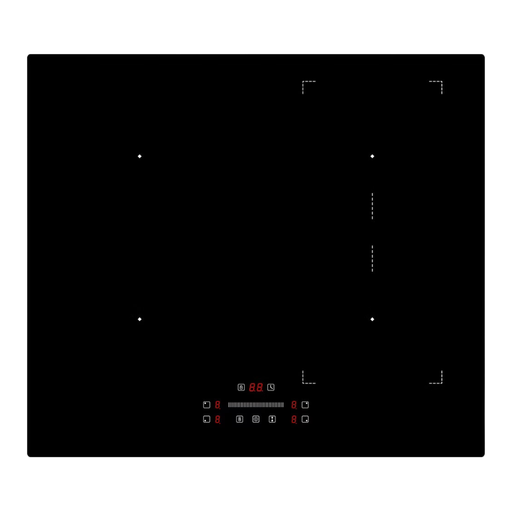
Why it suits this type of user: A built-in model with 4 zones, slider controls, a timer and a bridge function for everyday cooking without unnecessary extras.
The specifications list the cut-out size, one bridge zone and support for single- or two-phase connections. Check your electrical connection before buying.
4 cooking zones, 9 power levels, pan detection, timer, booster and child lock.
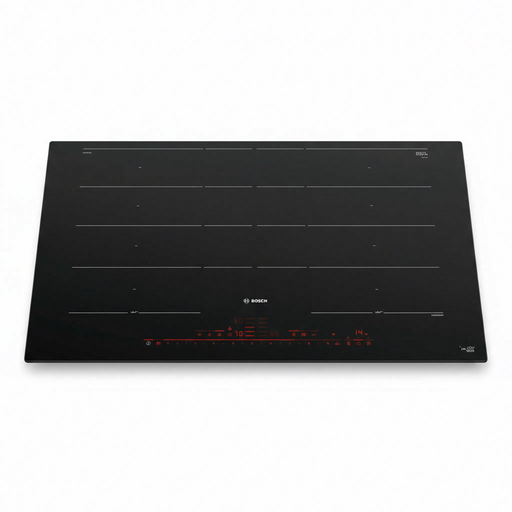
Why it suits this type of user: A good choice if you value a wide hob, flexible pan placement and extra temperature settings.
The flex zone is designed to accommodate pans of different sizes. Be sure to check the cut-out and electrical connection requirements for 80 cm models.
FlexInduction, Bosch PerfectFry sensor, PowerBoost and automatic pan detection.
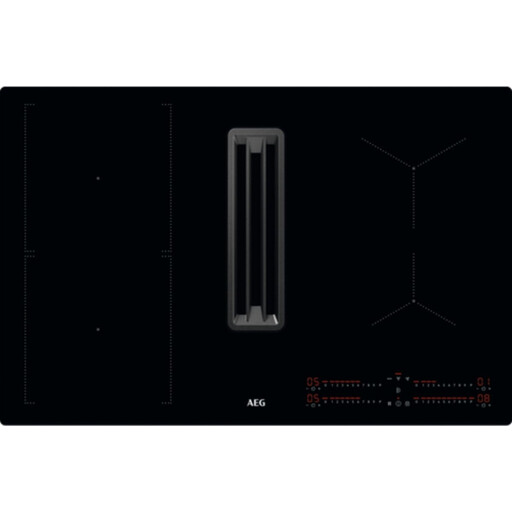
Why it suits this type of user: A great option for a modern kitchen, combining an 80 cm hob with an integrated extractor.
The product specifications state the extraction rate, filter maintenance requirements and need for a three-phase connection. Plan the installation in advance.
4 zones, bridge function, timer, child lock and a stated extraction rate of 630 m³/h.
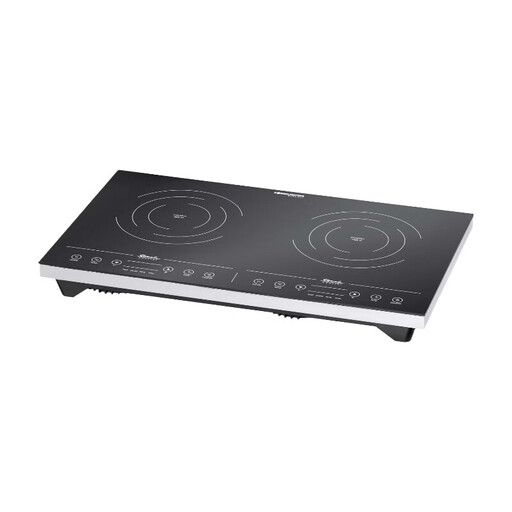
Why it suits this type of user: A portable induction hob with two zones, ideal for students, holiday homes, offices or as extra cooking space.
This is clearly a freestanding model with two zones. You won’t need to alter your worktop, but you will need to ensure there’s adequate, stable ventilation space.
Zones rated at 1400 W and 2000 W, 10 power levels, timer up to 180 minutes and automatic pan detection.
We’ve put together a comprehensive, up-to-date list of products that meet these strict selection criteria and current European safety regulations.
Induction heats the pan directly using a magnetic field, so less heat escapes into the surroundings than with some traditional cooking methods. Actual energy use depends on cooking time, power setting, pan size and the electrical connection. Using a suitable pan with a flat base and a lid helps reduce unnecessary energy use.
Use pans with a magnetic base. You can check this with a magnet: if it sticks to the bottom, the pan is usually suitable. Also check the minimum and maximum pan sizes specified in the hob’s instruction manual.
Its lifespan depends on use, installation and maintenance. Make sure the hob is connected correctly, keep the ventilation openings clear and only clean the glass surface once it has cooled down. Don’t use a hob with cracked glass, and follow the manufacturer’s safety instructions.
