
The cook with a large casserole pan
This cook wants the pan base to match the cooking zone and the stew to simmer gently. The Consumentenbond recommends matching the size of the pan base to the cooking zone.


Match the cooking zone to the base of your casserole pan, and think about how many other pans need heat at the same time. A portable hob may be enough if you need an extra cooking spot. More zones give you room to cook several dishes at once, but check the connection, installation dimensions and available power too.
This cook wants the pan base to match the cooking zone and the stew to simmer gently. The Consumentenbond recommends matching the size of the pan base to the cooking zone.
Alongside the stew, this cook needs heat for side dishes at the same time and wants to know what happens when several zones are in use. The Consumentenbond points out that the available power can affect this.
This cook is looking for a freestanding hob that won’t require a cut-out in the worktop. The Consumentenbond notes that freestanding hobs don’t all use the same electrical connection.
The Consumentenbond recommends comparing the pan base with the cooking zone. For simmering, check separately for information about stable, low heat. Also consider how many pans need heat at the same time and the connection required for your chosen hob.
| What to consider | What to look for | Who this matters most to |
|---|---|---|
| Suitable heating and simmering | Measure the pan base and compare it with the cooking zone. Look separately for information about heating on a low setting. | If I want to simmer a large casserole gently, I’ll mainly check that the base fits the zone; around 36% of consumers prioritise suitable heating and simmering. |
| Cooking several dishes at once | Count how many pans need heat at the same time, and check their positioning and the available power when using several zones together. | If you want to cook side dishes as well as a stew, space and power both matter; around 29% of consumers put cooking several dishes at once at the top of their list. |
| Connection and installation | Check the plug, connection rating and installation instructions for each model. If you’re choosing a built-in hob, measure the aperture too. | If I want to avoid changes to my kitchen or electrical connection, I’ll first check what the exact model requires; around 21% of consumers prioritise ease of installation. |
| Using your existing pans | Check that the pan base is magnetic, and compare its size with the cooking zone. | If I want to keep using my current casserole pan, I’ll check the base and its size first; around 14% of consumers prioritise keeping their existing pans. |
A pan may be too large for a zone, while the available power may limit how many zones you can use at once.
Measure the pan base and compare it with the zone. Also check the total connection rating.
A freestanding hob may need a different connection. This could involve installation work, depending on your existing connection and the model you choose.
Check the installation instructions for the exact model and, if in doubt, ask someone to assess the connection.
Heating up quickly and maintaining a low, steady temperature over a long period are two different things.
If you plan to simmer, look for separate information about the low settings rather than assuming a boost function will tell you how well it simmers. The Consumentenbond describes a test that measures the temperature of oil over 30 minutes.
A commercial warranty period doesn’t automatically determine how long your statutory rights against the seller last. ACM ConsuWijzer explains that the Dutch statutory guarantee doesn’t have a fixed two-year limit.
Keep your proof of purchase and distinguish between the manufacturer’s warranty terms and your statutory rights. The seller is your point of contact for statutory guarantees.
Inventum describes the VKI3010ZWA as a compact, freestanding induction hob with two zones.
The PUE611BB5D is a built-in hob with four zones, for a kitchen where several pans need space at the same time.
The TILLREDA one-zone variant reviewed is a portable option if you need an extra cooking spot.
This selection includes portable and built-in induction hobs with one to five zones, whether you need an extra cooking spot or want to prepare several pans at once. When choosing, check that the pan base, connection and installation are suitable for your kitchen.
 No image available
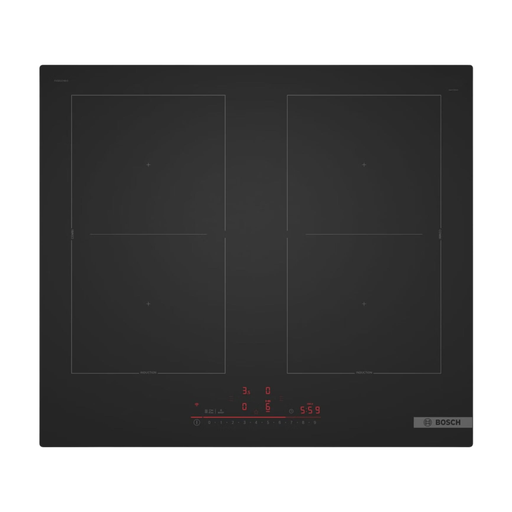
Four zones give you room to use several pans at once. This is a built-in model, so check the aperture and connection. The product information lists a connection rating of 7,4 kW.
The product name mentions TouchSlider and FlexInduction.
 No image available
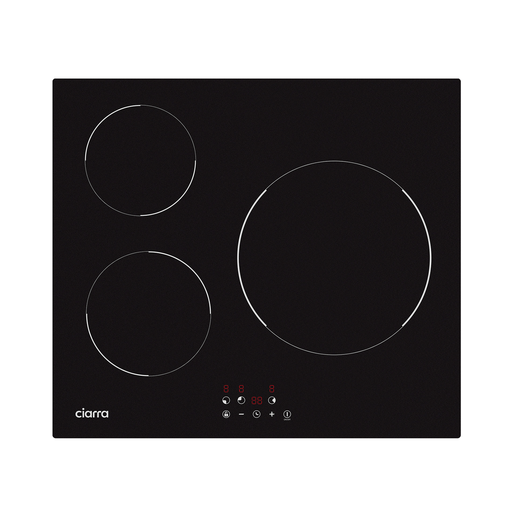
With three cooking zones, this model is an option if you want to prepare a stew and other dishes at the same time.
The product name lists 5.600 W.
 No image available
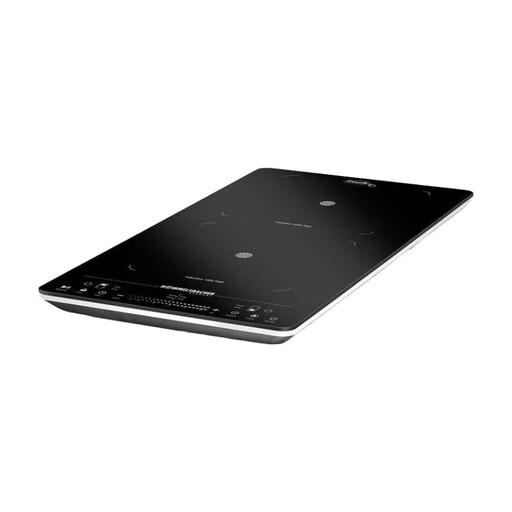
Two cooking zones give you space for a stew and a side dish. The product information specifies a pan size range of 120–260 mm. Use induction-compatible pans with a flat, magnetic base.
The user warning for this model says that people with a pacemaker or other implant should keep their distance from the hob while it is in use.
 No image available
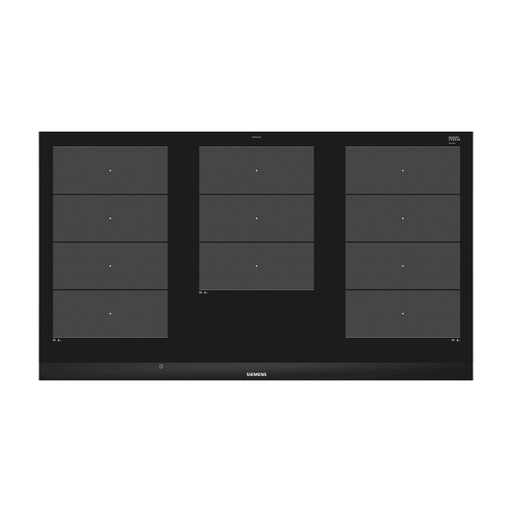
Five zones give you space for several pans at once. The product name specifies a three-phase connection, while the product information states that it is built in and should be installed by a qualified electrician.
 No image available
This portable hob can provide an extra cooking spot for a suitably sized casserole pan. With just one zone, there’s no second spot on the hob for a side dish.
The product name mentions an XL zone for pans measuring 12–26 cm, ten power settings and a timer.
Check whether the base is magnetic, for example by testing it with a magnet, and compare its diameter with the cooking zone. The Consumentenbond recommends matching the size of the pan base to the zone; the diameter of the pan’s top rim doesn’t tell you everything.
No, it depends on the exact model and the connection in your home. Some models have a plug for a suitable connection, while others need a different type. Follow the installation instructions and, if in doubt, ask someone to check your electrical circuit.
Count how many pans need heat at the same time and check that they fit on the hob. A one-zone hob doesn’t give you a second spot on the same appliance. If you’re choosing a hob with several zones, also check the available power when they’re all in use.
Look for information about maintaining a low, steady heat over a long period. Don’t assume that a boost function tells you how well the hob simmers. The Consumentenbond describes a test that measures the temperature of oil over 30 minutes.
Check the CE marking and the manufacturer’s information about the product requirements that apply to the exact model. According to the Netherlands Food and Consumer Product Safety Authority and Ondernemersplein, CE marking is mandatory for electrical products where this requirement applies. The marking is a declaration by the manufacturer, not the same as an independent inspection.