
Soup cooks with limited worktop space
You want to use one pan for soup and then put the hob away. Check that your pan suits the zone and whether you’ll need a second cooking spot for the rest of the meal.


If you’re only cooking a pot of soup, a single portable induction zone may be enough. If you also want to cook side dishes at the same time, a hob with multiple zones is a better choice. Don’t base your decision on the number of power settings alone: that doesn’t prove the soup will simmer evenly on the lowest setting. Also check that your pan suits the cooking zone and, for a built-in hob, that the dimensions and connection are suitable.
You want to use one pan for soup and then put the hob away. Check that your pan suits the zone and whether you’ll need a second cooking spot for the rest of the meal.
You want to make soup and side dishes at the same time. So consider both the layout of the zones and the power available when cooking on several zones at once.
You’re looking for a built-in hob, so you’ll need to check the cut-out, electrical connection and pan you want to use in advance.
Best for: one soup pan, limited permanent worktop space or an extra cooking spot you can put away.
Consider: there’s no second zone for a side dish; also check that your pan suits the zone.
Best for: cooking soup and other parts of the meal at the same time, without needing a built-in cut-out.
Consider: the available power may be shared between active zones; four zones don’t automatically mean each one can run at full power simultaneously.
Best for: a permanent cooking spot where you regularly use several pans.
Consider: check the cut-out dimensions and connection in advance; a bridging function doesn’t prove that a hob simmers steadily.
When soup needs to simmer on a low setting for a long time, how the hob performs on that setting matters more than the number of settings it has. The Consumentenbond assesses low, steady heat by measuring the oil temperature for 30 minutes, among other tests; this isn’t a test of brown bean soup.
| What to consider | What to look for | Especially relevant to |
|---|---|---|
| Gentle simmering | Look for an assessment of the low setting on the exact model, and check that your soup pan suits the cooking zone. | If I want to simmer soup gently for a long time, I want to know how the low setting performs. Around 36% of consumers weighing up this choice prioritise gentle simmering. |
| Several pans | Count how many pans need to be on the hob at once and check how the power is shared. | If you want to cook soup and side dishes at the same time, having enough usable zones is helpful. Around 29% of consumers focus mainly on cooking several dishes at once when making this choice. |
| Connection and installation | Check the plug or connection, connection rating and installation requirements for the exact model; if in doubt, ask for advice about your home’s electrical system. | If your existing kitchen determines which type of hob will fit, the connection and installation are key. Around 21% of consumers focus mainly on these when making this choice. |
| Existing soup pan | Use a magnet to check that the base is magnetic, and compare its size with the cooking zone. | If you want to keep using your own soup pan, check that the base is suitable and fits the zone well. Around 14% of consumers consider pan compatibility their main concern. |
Milieu Centraal recommends using a magnet as a simple way to check whether a pan base is suitable. The Consumentenbond also points out that the size of the pan base in relation to the cooking zone affects how it heats up.
The number of settings doesn’t tell you how consistently a particular hob maintains low heat. The Consumentenbond assesses low, steady heat separately.
If you plan to simmer for a long time, look for an assessment of the low setting on the exact model and check that your soup pan suits the zone.
On freestanding hobs, the available power may be shared between active zones, so cooking on several zones at once may work differently from what you’d expect based on the number of zones.
Compare the number of pans you use at once with how the model distributes power. If you’re unsure about your existing connection, ask to have the installation assessed.
The 70 °C keep-warm function listed by ETNA for the KIV364RVS is intended for a different purpose from simmering. According to the Voedingscentrum, dried pulses must be cooked until tender first.
Follow the cooking instructions for dried beans and treat keeping food warm and simmering as separate functions.
The TILLREDA 805.901.55 is a portable single-zone hob for anyone looking for a cooking spot they can put away or an extra zone.
The freestanding VKI6010ZIL is a four-zone option for anyone who wants to cook soup and other dishes at the same time.
The freestanding KIV364RVS is a multi-zone hob with a separate keep-warm function.
The built-in V64IOB00FB has four zones and a bridging function, making it an option for a permanent cooking spot with a suitable zone layout.
The built-in PIE661BB5E shows why the cut-out and connection need attention when choosing a permanent cooking spot.
These induction hobs have multiple cooking zones, making them suitable if you want to cook soup and side dishes at the same time. Check the connection and installation requirements for each model.
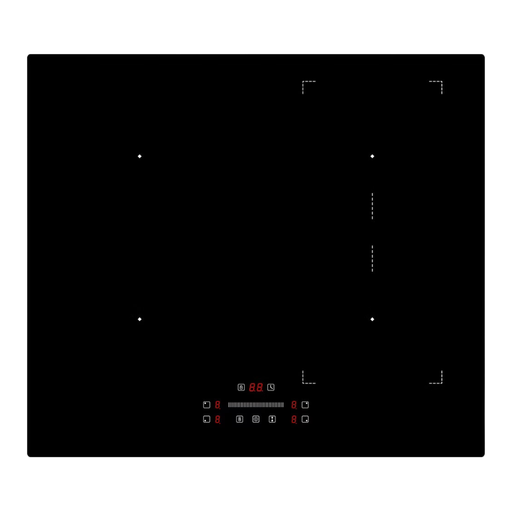 No image available
The four cooking zones are ideal if you want to use several pans at once.
Four cooking zones; touch controls; PowerBoost function; safety lock. Supplied with a cable without a plug and designed for direct connection.
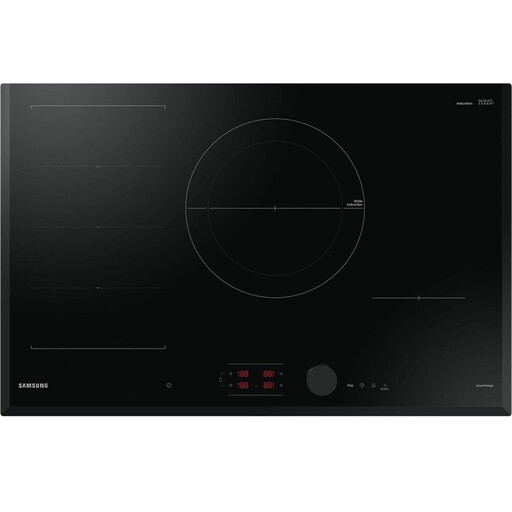 No image available
The four cooking zones are suited to meals that require several pans on the hob at once.
Width: 80 cm; four cooking zones; touch controls; black ceramic glass.
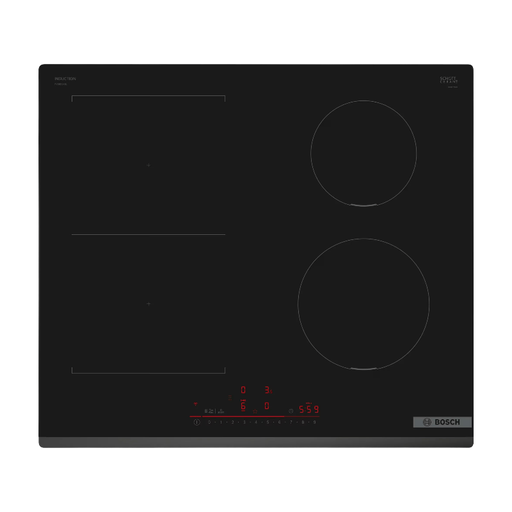 No image available
The four zones are ideal if you want to cook soup and side dishes at the same time.
Width: 60 cm; four zones; TouchSlider controls; ReStart function.
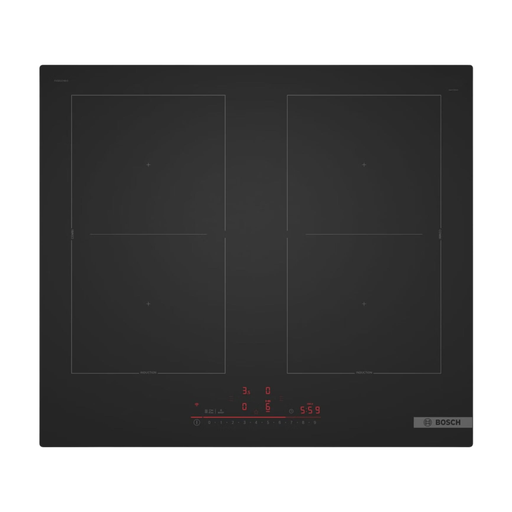 No image available
The four zones are ideal if you want to prepare several parts of a meal at once.
Width: 60 cm; four zones; TouchSlider controls; FlexInduction zone.
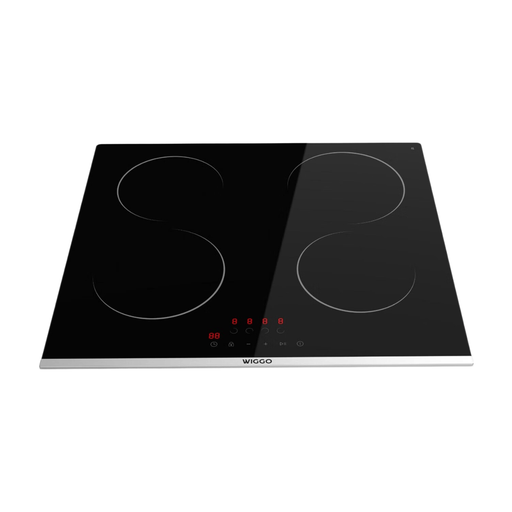 No image available
This built-in model is designed for a permanent cooking spot; check in advance that the cut-out will fit the hob.
Built-in installation by a qualified electrician is required. Check the cut-out dimensions.
Yes. The Voedingscentrum says dried pulses need to be cooked for a long time before they’re tender; beans in a jar, tin or pouch only need heating through. So don’t use a low simmer setting as a substitute for cooking dried beans until tender.
Check that the base is magnetic and compare its size with the cooking zone. Milieu Centraal recommends using a magnet as a simple check; the size of the pan base in relation to the zone also matters for detection and heating.
No, not always. The Dutch Government advises checking your existing connection with your network operator and asking a qualified installer to assess whether an upgrade is needed. This doesn’t automatically determine whether a specific model is suitable for your kitchen.
No. According to the Dutch Government, you can continue cooking with gas for the time being. What’s possible in a particular home also depends on the facilities already in place.