
Cooking with a small fricassee pan
You make small portions in a compact pan and want to know whether the hob will recognise it. Compare the base size with the range specified for the exact model.


Start by checking the base diameter and induction compatibility of the pan you actually use: a hob may not recognise a pan that is too small. A portable single-zone hob is a good fit if you cook in one pan and want to put it away afterwards; choose two zones if you often make a side dish at the same time, and check the available space and electrical connection too. The number of settings listed on paper doesn’t tell you how evenly a sauce will simmer in practice.
You make small portions in a compact pan and want to know whether the hob will recognise it. Compare the base size with the range specified for the exact model.
You want to be able to turn the heat down after browning. Check the controls and available settings, but don’t assume they indicate how steadily the temperature will stay during cooking.
You want to be able to put the hob away after use, or decide whether a second zone is worth the extra space.
First check that your pan is compatible with the cooking zone. Then decide whether one pan at a time is enough, and consider the space and electrical connection required by your chosen hob.
| What to consider | What to look for when buying | Who is this important for? |
|---|---|---|
| Recognition of a small pan | Measure the magnetisable base of your pan and compare it with the range for the exact model. Inventum specifies 15–20 cm for the KI120T; CASO Design specifies 12–24 cm for the PRO Menu 2100. | I want to know before buying whether my small pan will be recognised. Around 36% of consumers put pan recognition first. |
| Gentle simmering after browning | Check how the model adjusts the heat, how many settings it has and whether it includes a timer. A timer is no substitute for keeping an eye on the food and checking that it is cooked through. | I want to be able to turn down the heat for the sauce and keep checking that the food is cooked through. Around 29% of consumers prioritise adjustable simmering. |
| Worktop space and electrical connection | Measure the space for the hob and leave the ventilation clearance specified in the manual. Also check the plug, rated power and any other appliances on the same circuit. | I need to know whether the hob will fit safely on my worktop and work with my electrical connection. Around 21% of consumers assess space and connection first. |
| Using two pans at once | Check that both pan bases fit the zones and consider what the combined power means for your electrical connection. Two zones don’t guarantee that you can use both on a high setting at the same time. | I want to be able to cook the fricassee and a side dish at the same time, even if it takes up more space. Around 14% of consumers prioritise cooking two things at once. |
The base size is what matters for pan recognition. According to the Consumers’ Association, a hob may not recognise a pan that is too small and may therefore fail to start.
Measure the pan base and compare it with the range specified by the manufacturer for the exact model.
If your current pan isn’t compatible, you may need to buy a suitable replacement.
If your electrical connection has a limited combined power rating, you can’t necessarily use both zones on a high setting at once. The Consumers’ Association highlights this limitation with certain connections.
Check the rated power and which other appliances are on the same circuit. If you’re buying a built-in hob, have an electrician check the connection if necessary.
Checking or upgrading the connection may involve extra work and costs. What’s needed will depend on your home and the model.
A control setting can’t check whether chicken is cooked all the way through.
Check that the chicken is cooked through yourself, and keep raw chicken separate from cooked food.
The portable single-zone PRO Menu 2100 is worth comparing if you use a small pan. CASO Design specifies that this model recognises pans from 12 cm.
The KI120T is a portable single-zone hob that can be put away after use, for pans with a specified diameter of 15–20 cm.
The CT 3402/IN is a portable two-zone hob for anyone who regularly uses two pans at once.
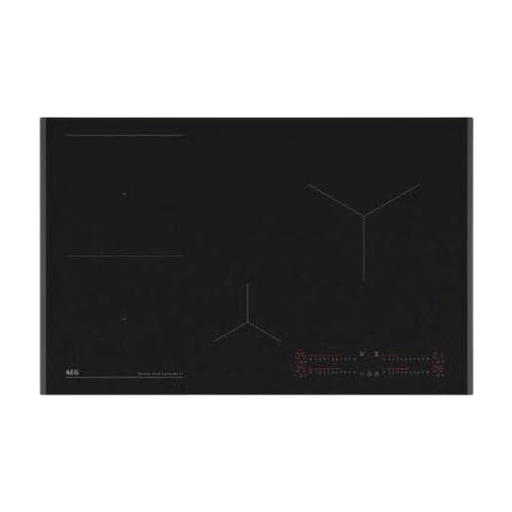
The PUE611BB5D is a built-in option for anyone replacing their fixed hob, rather than looking for an extra portable zone.
This selection includes portable one- and two-zone hobs, as well as built-in induction hobs for different kitchen layouts.
 No image available
A built-in option if you’re replacing your fixed hob; check in advance that the niche and electrical connection are suitable.
The description lists nine heating elements, a flexible cooking zone and slider controls with nine power levels.
The specified rated power is 3,7 kW. This is above the 3,65 kW threshold for which the Consumers’ Association recommends a higher-capacity connection. The product description states that installation must be carried out by a qualified professional.
 No image available
An option if you regularly use a second pan alongside your fricassee; check that both pans fit the zones.
The description lists two independently controlled zones and five temperature settings.
The title lists simmering and slow cooking on a low heat as possible uses; check that the food is cooked through as you cook.
 No image available
A single-zone option if you cook with one pan at a time on a portable hob.
The product name lists 1000 W and five power settings. Check that the plug and electrical connection are suitable for where you plan to use the hob.
 No image available
A portable single-zone option if you want to use one pan at a time on your worktop.
The product name lists 220–240 V and 2100. The description mentions adjustable temperature control and multiple power settings.
 No image available
A portable single-zone option if you cook with one pan at a time; check that your pan base is suitable for induction cooking.
The description lists 2000 W, ten heat settings and a child lock. The product name also lists six functions.
It depends on the pan base and the range specified for the model. Check that the base is magnetisable, measure its diameter and compare it with the specifications; a magnet can help with an initial check.
First check the plug, rated power and any other appliances on the same circuit. Follow the manual for the exact model and, where possible, plug a high-power appliance directly into a socket rather than using an extension lead.
Use a stable, suitable surface and leave the ventilation clearance specified in the manual. For example, the Inventum KI120T manual specifies at least 10 cm of space at the sides and back.
The Nutrition Centre advises heating chicken all the way through, until the meat is completely white inside, and keeping raw chicken separate from cooked food. Leave leftovers to cool within two hours, store them covered at 4 °C and eat them within two days. When serving again, reheat until piping hot throughout.
No. According to the Dutch government, there is no fixed legal guarantee period in the Netherlands: you’re entitled to a product that is fit for purpose, depending on what you can reasonably expect. If a product is faulty, the retailer is your point of contact; a manufacturer’s guarantee is in addition to your statutory rights.