
Cook preparing small, creamy portions
You use a small saucepan and want to be able to turn down the heat, especially after adding the cream and mustard.


When choosing an induction hob for a small pan of mustard soup, focus on the lowest heat setting and the pan size. High power or a large number of settings doesn’t prove that the soup can be heated gently and evenly. A portable single-zone hob works well as an extra cooking spot; a built-in hob is more suitable if you cook with several pans every day. Also check that your pan base is compatible with the cooking zone and that the connection and installation are suitable.
You use a small saucepan and want to be able to turn down the heat, especially after adding the cream and mustard.
You want to prepare soup on a separate cooking spot without fitting a new kitchen or cutting an opening in the worktop.
You also cook with several pans at once, so you need to consider the required built-in space and electrical connection.
Suitable for: a small portion in one spot, or an extra cooking zone without cutting an opening in the worktop.
Consider: you’ll have fewer cooking zones; check the pan size and how the lowest setting performs.
Suitable for: everyday cooking with several pans in a kitchen designed for a built-in hob.
Consider: check the cut-out and electrical connection; installation and connection aren’t necessarily suitable DIY jobs.
For a small pan, the most important things to consider are the lowest heat setting, a compatible pan size and suitable installation.
| What to consider | What should you check? | Who is this most important for? |
|---|---|---|
| Gentle heating | Look for model-specific information about the lowest setting or a simmering test. In its simmering test, the Consumentenbond measures the temperature on the lowest setting over 30 minutes. | If you want to heat the soup gently after adding the cream and mustard, controllable low heat is important. Around 40% of consumers prioritise this low-heat control. |
| Pan detection | Measure the base and compare it with the compatible pan size for the exact model; also check that the base is magnetic. | If you want to keep using your small saucepan, you’ll want to avoid the hob failing to detect it. A suitable pan is the main concern for around 30% of consumers. |
| Positioning and connection | For a portable hob, check the manual and ventilation clearance; for a built-in hob, assess the cut-out and electrical connection. | If you need an extra cooking spot or want the hob to fit into an existing kitchen, space and connection requirements are key. Around 20% of consumers give these the highest priority. |
| Safe use and aftercare | Check the product information, manual and ventilation requirements. A CE marking is not a performance rating for simmering. | If safe installation, clear controls and help in the event of a fault are your main concerns, you’ll want to check these points beforehand. This is the top priority for around 10% of consumers. |
A stated power setting isn’t the same as a measurement of how consistently the temperature is maintained. The Consumentenbond assesses simmering by measuring the temperature on the lowest setting over 30 minutes.
Look for test results for the exact model, and distinguish between gentle heating, keeping food warm and heating it quickly.
A pan base that’s too small for the cooking zone may not be detected. The stated compatible pan diameter varies by model.
Measure the base and compare it with the model specifications before choosing a hob.
A portable hob doesn’t need a cut-out in the worktop; with a built-in hob, you need to assess the cut-out and connection.
First decide where you want to install it, then check the manual and connection requirements for the exact model.
The freestanding IP 1266 is worth considering if you’re looking for one cooking zone and your pan is within the stated diameter range of 12–26 cm.
The freestanding KI120T is a single-zone option if your pan is within the stated diameter range of 15–20 cm.
The CTS 2000/IN is a portable single-zone option to compare if temperature control and a slow-cook programme are important to you.
Worth considering when comparing built-in models for everyday cooking across several zones, rather than as a portable cooking spot.
This selection includes portable induction hobs with one or two zones, as well as built-in models for heating a small pan.
 No image available
A portable single-zone hob with adjustable temperature, for preparing one small portion in a separate spot.
The product information lists 10 power and temperature settings, a temperature range of 60–240 °C and a timer of up to 240 minutes.
 No image available
An option if you want to use a second pan on the same hob as your small saucepan.
The product information lists separate controls and five temperature settings. The smaller zone is described as suitable for simmering or keeping food warm.
 No image available
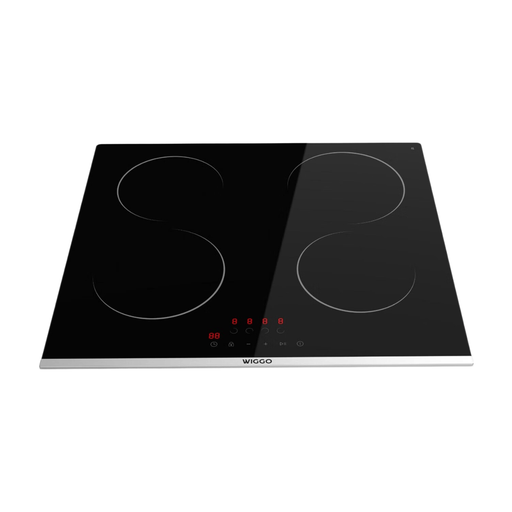
A built-in option for a kitchen with a suitable cut-out and space to cook with two pans.
The product information lists a width of 30 cm, two cooking zones, separate timers and a boost function. According to the product information, the hob must be installed by a qualified electrician.
 No image available
A freestanding single-zone hob for anyone looking for a separate cooking spot; the stated pan size matters if you’re using a small saucepan.
The product information lists a compatible pan diameter of 12–26 cm, adjustable power of 200–2000 W and a timer of up to 3 hours.
 No image available
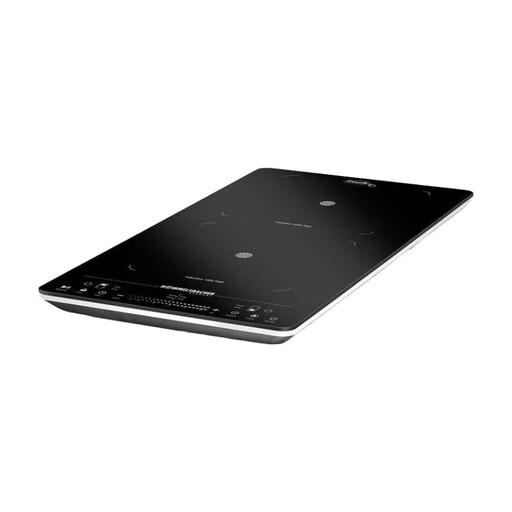
A portable two-zone hob for anyone who also wants to use a second pan.
The product information lists compatible pans with a diameter of 120–260 mm, 10 power settings, 10 temperature settings and a 180-minute timer.
That depends on the base and the hob’s stated compatible pan size. Check that the base is magnetic and compare the diameter: the Inventum KI120T is listed for 15–20 cm, while the Fritel IP 1266 is listed for 12–26 cm.
Product information about a low setting or keeping food warm doesn’t prove that soup will stay gently heated at a consistent temperature. Choose a hob with a useful low-heat setting and follow your recipe’s cooking instructions.
Many portable models use an earthed socket, but always check the manual for the exact model. Also pay attention to the required ventilation clearance and what else is connected to the same circuit.
According to the NVWA, CE marking is mandatory for electrical products covered by the applicable rules. Check the marking and product information; CE marking isn’t independent proof of simmering performance.
No. According to the Dutch government, there’s no fixed general statutory guarantee period in the Netherlands. You’re entitled to a product that does what you can reasonably expect, and the retailer is your point of contact if there’s a fault. An additional guarantee is mainly relevant if its terms give you extra rights.