
Cooking with a large casserole pot
You’re making red cabbage for a large group in one pan and need a low-heat setting and a cooking zone that suits the pan base.


If you’re cooking red cabbage in a single large pan, one cooking zone may be enough, provided the pan base is the right size for the zone. For a neighbourhood meal with several dishes, multiple cooking zones are more practical. Focus on the simmering performance of the exact model and check the pan size, electrical connection and available space. A flex zone or a wide range of settings doesn’t, on its own, prove that a hob can maintain an even, low temperature over a long period.
You’re making red cabbage for a large group in one pan and need a low-heat setting and a cooking zone that suits the pan base.
Alongside the red cabbage, you’re preparing other dishes, so you need to weigh up the number of available zones, the space between pans and the power available when cooking several dishes at once.
You want to cook without first installing a connection for a built-in hob. The type of connection and the capacity of your existing circuit are important considerations.
Best when: you only want to heat the red cabbage pan and put the hob away after cooking.
The trade-off: you can’t cook a second dish at the same time on a single zone. Check that the pan base fits within the usable cooking area.
Best when: you want to use several pans but don’t need a built-in hob, and your existing electrical circuit is suitable.
The trade-off: on a single-phase hob, the available power is shared between active zones, which may limit cooking on high settings at the same time.
Best when: you regularly cook several dishes at once and the model fits your worktop cut-out and electrical connection.
The trade-off: installation may require preparation or changes to your wiring. An elongated zone made by linking two zones won’t necessarily suit a large, round casserole pot.
| What to consider | What to look for | Who it matters to |
|---|---|---|
| Gentle simmering | Where possible, look for a simmering test of the exact model. A wide range of settings or a boost function doesn’t, on its own, show that the hob can maintain a stable low temperature. | If I’m leaving a large pan on a low heat for a long time, I want the heat to stay gentle and the pan base to suit the zone. Around 33% of consumers prioritise simmering. |
| Several pans | Compare your pan bases with the individual zones, and check how much power is available when several zones are in use at the same time. | For a neighbourhood meal, I want room for the casserole pot and side dishes at the same time, without the pans getting in each other’s way. Around 27% of consumers prioritise space and power for several pans. |
| Connection and marking | Check the connection instructions and your electrical circuit. The NVWA states that electrical products placed on the market in the Netherlands must carry CE marking; check this on the item being offered. | If I want to keep using my existing connection, the hob needs to suit my circuit and intended use. Around 20% of consumers consider the connection their first requirement. |
| Extra zone you can put away | Check the usable zone size, pan compatibility and whether you have a stable place to set the hob up. | I want to be able to put an extra cooking spot away after the meal, but it still needs to suit my pan. Around 20% of consumers prioritise storage and occasional use. |
A large number of settings doesn’t show whether a hob can keep a pan at a consistently low temperature for a long time. The Dutch Consumers’ Association describes a test that measures the oil temperature over 30 minutes; it isn’t a test of cooking a full batch of red cabbage.
If one is available, look for a simmering test of the exact model and keep an eye on your dish as it cooks.
An elongated zone created by linking zones may suit long cookware, but the shape and base size of a round casserole pot still matter.
Measure the pan base and compare it with the dimensions of the individual zones and any zones that can be linked.
On a single-phase hob, the available power may be shared between active zones. An unsuitable existing connection may require changes to your electrical installation.
Check the connection instructions for the exact model, your circuit and which other appliances are connected to it.
The freestanding VKI6010ZIL is a single-phase hob with four zones.
The built-in KIF360ZT has four zones and, according to ETNA, can be configured for one or two phases.
The PXX695HC1E is a 60 cm built-in hob with four cooking zones and two flex zones.
These models focus on induction hobs with multiple zones, for anyone who wants to cook other dishes alongside a casserole. Check that the layout, pan size and connection suit you for each model.
 No image available
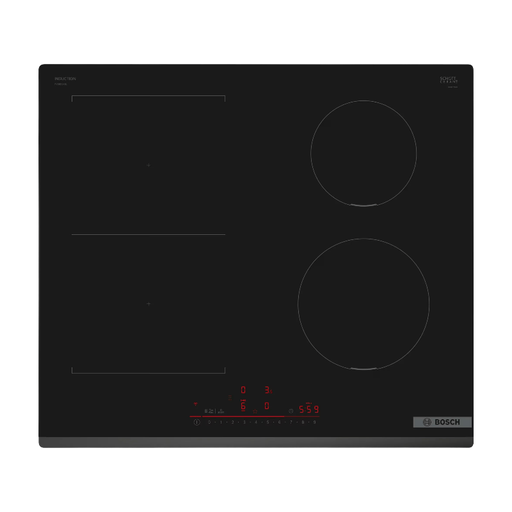
Two cooking zones suit anyone who wants to prepare another dish alongside a casserole.
The product title lists five temperature settings, including simmering and keeping warm. Check the simmering performance of the exact model before you decide.
 No image available
Four zones are useful if you want to use several pans alongside your casserole.
The product name lists TouchSlider and the ReStart function. Check the built-in dimensions and connection for this model.
 No image available
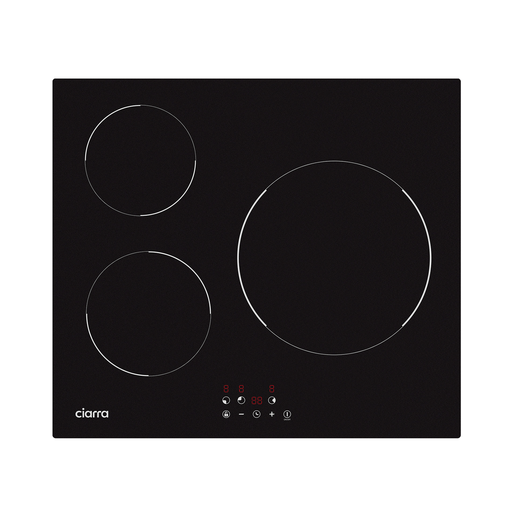
Three cooking zones provide space for several pans; compare the zone layout with the bases of your pans.
The product name lists 5600 W, nine power settings and touch controls. Check the connection required for how you plan to use it.
 No image available
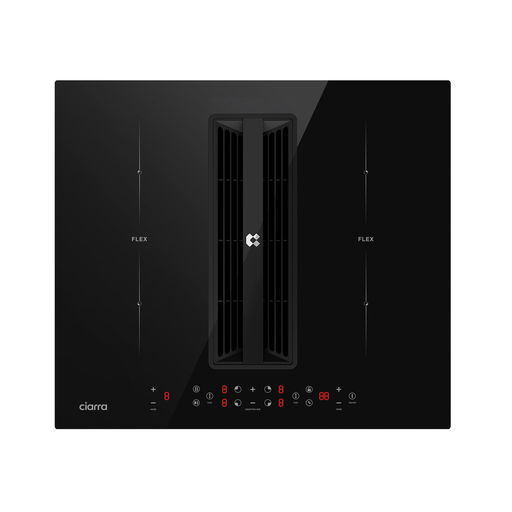
According to the product information, this model combines a hob with an extractor hood and may suit anyone looking for this kind of integrated set-up.
The description lists four zones and two flex zones. The installation kit is sold separately; the product information recommends installation by a qualified electrician.
 No image available
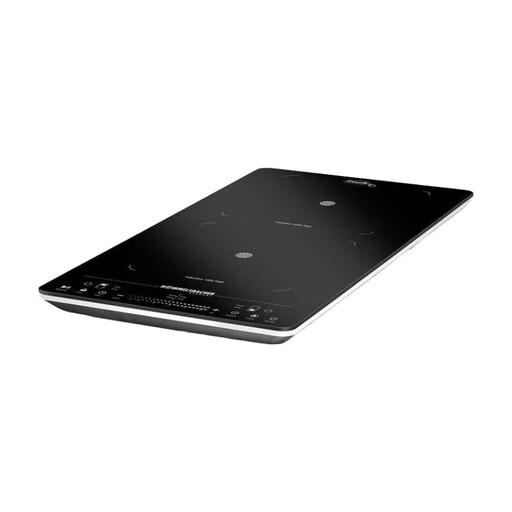
This portable hob with two zones may suit you if you need extra cooking space and want to move it after use.
The product description lists ten power settings and ten temperature settings. Check the space needed to set it up and the required connection.
Check whether the base is magnetic, for example with a magnet. Also compare the base size with the cooking zone on the model you’re considering.
No, don’t assume that you can. Follow the instructions for the exact model, use a suitable earthed socket and check that your electrical circuit can handle the load, including any other appliances connected to it.
Look for a simmering test of the exact model and check what it measures. For example, the Dutch Consumers’ Association’s test method measures the oil temperature over 30 minutes; it doesn’t test the full preparation of red cabbage.
That depends on the pan base and the zone layout. Compare the pan size with the individual cooking zones; an elongated zone created by linking zones won’t necessarily suit a round pan.
Yes. The NVWA states that electrical products placed on the market in the Netherlands must carry CE marking. Check the marking on the item being offered; this doesn’t, on its own, tell you anything about its simmering performance.