For porridge, being able to turn the heat down low matters more than having a high maximum power setting: cook on a low heat and stir regularly. A portable single-zone hob suits one pan and limited space; choose two zones if you also want to prepare a side dish at the same time. Only consider a built-in model once you’ve checked your pan size, cut-out and electrical connection.
Which hob is right for you?
For cooks who like to simmer porridge gently
You’re making porridge for a shared meal and want to be able to turn the heat down as you stir. So look at the low heat settings and controls, not just the maximum power. The Netherlands Nutrition Centre recommends cooking the porridge in the recipe mentioned over a low heat and stirring regularly.
For cooks serving several people
You’re using a larger pan or heating a side dish at the same time. Compare the base of your pan with the stated cooking zone size, and check whether the hob has room for one or two pans.
For cooks without space for a built-in hob
You want to use the hob on your worktop and put it away after use. For a freestanding model, also check how it connects, whether you have an earthed socket and the load on your electrical circuit.
What should you look for when choosing?
Portable single-zone hob
Best for: one suitably sized pan of porridge and the option to put the hob away after use.
Bear in mind: you can’t use a second pan on the same hob at the same time.
Portable two-zone hob
Best for: cooking porridge and a side dish at the same time, without cutting a hole in your worktop.
Bear in mind: it takes up more worktop space. Check that both pans will fit and that your electrical connection can handle both at once.
Built-in hob
Best for: a permanent cooking space, provided the cut-out and connection are suitable for the model you choose.
Bear in mind: installation may require extra kitchen or electrical work. Check the model specifications in advance.
| What to consider |
What should you check? |
Who is this important for? |
| Controlling low heat |
Check the settings and controls on the exact model. A simmer setting doesn’t mean you can cook porridge without stirring. |
I want to cook the porridge gently and adjust the heat as I stir. Around 33% of consumers say controlling low heat is their top priority. |
| Room for your pan |
Compare the base of your pan with the stated zone dimensions, and check that the pan is suitable for induction. |
I want to use one pan that’s large enough for the meal, without assuming that the number of people eating determines a fixed pan diameter. Around 27% of consumers give suitable pan space their top priority. |
| Using two pans at once |
Decide whether the porridge and side dish really need to be on the hob at the same time; then check the zone layout and connected load. |
I want to be able to heat a side dish alongside the pan of porridge when needed. Around 20% of consumers say cooking at the same time is their top priority. |
| Positioning and connection |
Check whether the model is freestanding or built-in, and what its connection and your existing electrical circuit require. |
I want to install a hob without unnecessary kitchen or electrical work. Around 20% of consumers say easy installation is most important to them. |
Common buying mistakes
-
Looking only at the maximum power
A high maximum power setting doesn’t tell you how easy it is to set a low heat. For porridge, the Netherlands Nutrition Centre recommends cooking over a low heat and stirring regularly.
Compare the low heat settings and controls on the exact model, and don’t expect to be able to cook without keeping an eye on it.
-
Choosing a two-zone hob without measuring your larger pan
The number of zones doesn’t tell you whether your pan will fit on the available cooking zone. The base must also be suitable for induction.
Check the base of your pan and the zone dimensions for the specific model before choosing a hob.
-
Assuming ‘plug and play’ means unlimited power across both zones
With a single-phase connection, using several high heat settings at once may be restricted. The load on your existing electrical circuit also matters.
Check the connected load and your circuit, especially if you’ll be using other kitchen appliances at the same time. If the circuit or connection needs upgrading, this may involve extra work and costs.
-
Assuming the manufacturer’s guarantee is the same as your full statutory rights
A manufacturer’s guarantee period doesn’t replace your statutory rights against the seller. ACM ConsuWijzer explains that the seller is responsible for offering a suitable solution if a product breaks sooner than you could reasonably expect under normal use.
Keep your proof of purchase and contact the seller if the product develops a fault early on.
Brands and models to consider
Philips
The portable HD5850/90 is an example of a hob for cooking with one pan on the worktop.
- Philips lists ten heat settings, a simmer preset and a maximum power of 2000 W for this model.
- The model has one cooking zone; the listed features aren’t the result of an independent porridge cooking test.
Inventum
The freestanding VKI3020ZWA is an example of a hob for two pans without a cut-out in your worktop.
- Inventum lists two 19 cm zones, separate controls, a single-phase connection and a five-year manufacturer’s guarantee for this model.
- Check that your larger pan fits on one zone. The manufacturer’s guarantee doesn’t replace your statutory rights.
ETNA
The built-in KIF6480ZT is an example for anyone considering a permanent, wider cooking area.
- For this 80cm model, ETNA lists a simmer setting, controls for each zone and flexible power management for connection to one or two phases.
- Check your kitchen’s cut-out and connection; the listed features alone don’t tell you whether it’s suitable for your kitchen.
Tristar
The freestanding IK-6162 has two zones of different diameters.
- Tristar lists 19 and 16 cm zones, ten power settings and a combined power of 3500 W.
- The smaller second zone may limit your choice of pan for a side dish; compare the stated dimensions with your pans.
Bosch
Built-in models such as the PXY895DX6E are examples for anyone considering flexible pan space and a permanent installation.
- Bosch lists flexible zones and PerfectCook temperature control for this model.
- Bosch says this exact model is no longer available. Don’t assume another Bosch model has the same features without checking.
Joybuy products for this cooking task
This selection includes portable single-zone and two-zone hobs, as well as built-in models for cooking with one or more pans.
 No image available
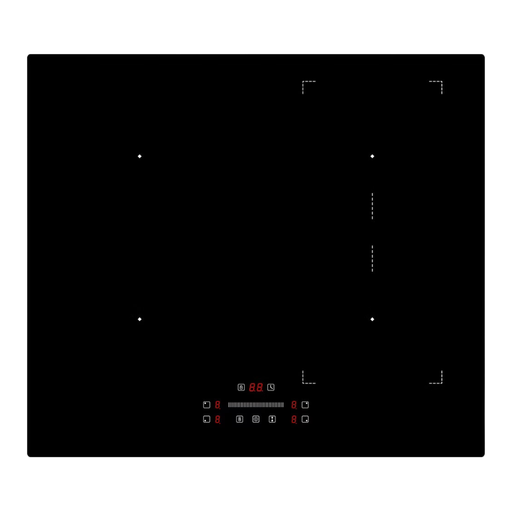
Exquisit EKI624-30
A built-in model for anyone who wants to cook porridge and a side dish on the same hob.
Four cooking zones and a bridge function; nine settings with slider controls. The description states that it can be connected to one or two phases. The model has a cable without a plug and is designed for hardwiring.
View at Joybuy
 No image available
Fritel Induction Cooktop IP 1266
A freestanding single-zone hob for anyone who cooks porridge in one pan and doesn’t want a permanent cut-out.
The description lists ten power settings and a cooking zone for pans with a diameter of 12–26 cm. The product name states 2000 W and a cooking zone of Ø 26 cm.
View at Joybuy
 No image available
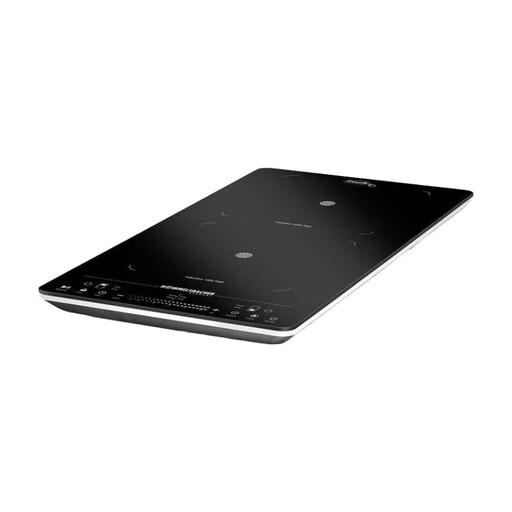
Rommelsbacher CT 3430/IN
A portable two-zone hob for anyone who wants to use a pan of porridge and a second pan at the same time.
The description lists two zones, ten power and temperature settings, and pans with a flat, magnetic base measuring 120–260 mm.
View at Joybuy
 No image available
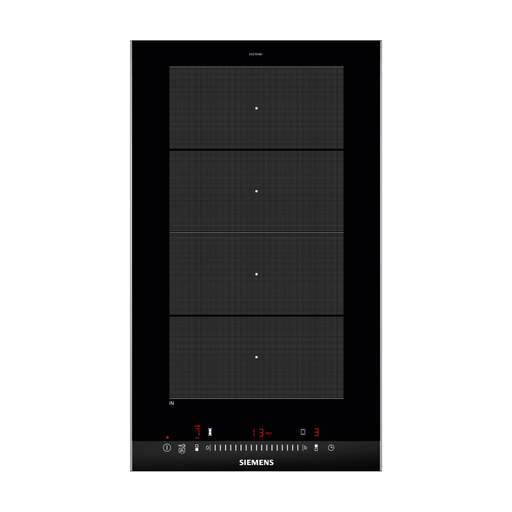
Siemens EX375FXB1E iQ700
A built-in model with two zones for anyone who wants to use a second pan at the same time.
This model is 30 cm wide. The description lists FlexInduction for pans up to 24 cm and PowerMove Plus with three heat zones. Check that the built-in installation and mounting with a frame are suitable for your kitchen.
View at Joybuy
 No image available
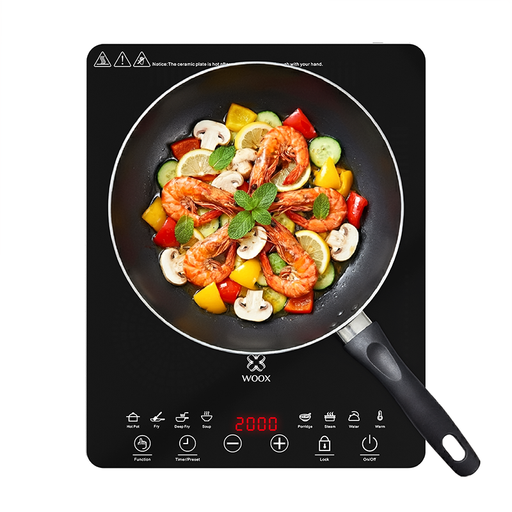
WOOX MX0237 RapidTherm
A portable single-zone hob for anyone who wants to cook porridge in one pan on the worktop.
The product name lists eight temperature and power settings and 2000 W. The description mentions a heating coil with a radius of 155 mm and an adjustable temperature range. Use a pan suitable for induction.
View at Joybuy
Frequently asked questions
Do I need to keep stirring porridge if my hob has a simmer setting?
Yes, keep stirring regularly. For the recipe mentioned, the Netherlands Nutrition Centre recommends cooking over a low heat and stirring regularly; a simmer setting doesn’t make that advice unnecessary.
Can I use any pan on an induction hob?
No, the base of the pan must be suitable for induction. Milieu Centraal recommends checking that the base has a magnetisable layer; you can test this with a magnet. Also compare your pan size with the requirements of the model you choose.
Can I connect a built-in hob to a standard socket?
It depends on the model specifications and your electrical installation. Check the hob’s connection requirements and your existing circuit; the Dutch government recommends checking your connection if you’re unsure and asking a qualified installer whether any changes are needed.
What does the manufacturer’s guarantee mean for my rights?
In the Netherlands, statutory rights are separate from a manufacturer’s guarantee. According to ACM ConsuWijzer, the seller is responsible for providing a suitable solution free of charge if a product breaks sooner than you could reasonably expect under normal use.
Can I get a grant for an induction hob?
Not automatically. Under the ISDE scheme, the RVO lists € 400 for an electric cooking appliance, subject to conditions such as buying a new product, living in a home connected to a heat network and having the gas meter removed. You must also apply for the grant within 24 months of purchase; check whether all the conditions apply to your circumstances.


