
If you want to cook polenta gently
You make polenta in one pan and want to turn down the heat once it has come to the boil, then keep stirring. Albert Heijn Allerhande describes simmering gently and stirring as part of the preparation.


If you’re making polenta in one pan in a shared kitchen, a portable single-zone induction hob is usually the more practical choice: it takes up less space while you’re cooking than a double hob. Check that your pan is suitable and see what settings the hob offers, but don’t treat the number of settings as proof that it will simmer evenly. A double hob is best if you want to cook a second dish at the same time and have enough space and a suitable electrical connection.
You make polenta in one pan and want to turn down the heat once it has come to the boil, then keep stirring. Albert Heijn Allerhande describes simmering gently and stirring as part of the preparation.
You’re looking for a cooking spot that you can put away after use. So compare a single-zone hob with the dimensions of a double hob.
You want to make polenta while cooking something in a second pan. In that case, look beyond the number of zones and take the space required and the electrical connection into account too.
For making polenta in a shared kitchen, adjustable heat, a suitable pan and the space available all matter. First decide whether you’ll use one pan or regularly cook two dishes at once.
| What to consider | What should you check? | Who should take this into account? |
|---|---|---|
| Cooking gently | Check the settings and controls the hob offers. Assess the heat setting while cooking, and keep stirring. | If I’m making polenta, I want to be able to turn down the heat once it has come to the boil and keep stirring; around 36% of consumers prioritise easily adjustable, gentle heat. |
| Space and storage | Measure the available worktop space and the spot where you want to store the hob after use. | If you want to put the hob away after cooking, choose a size that fits your shared kitchen; around 29% of consumers prioritise keeping their worktop clear. |
| Using a pan you already own | Test the base of the pan with a magnet and compare its diameter with the range specified by the manufacturer. | If I want to keep using my current pan, I’ll first check that it’s suitable for induction and compatible with the hob; around 21% of consumers prioritise pan compatibility. |
| Using two pans at once | Check the total power, the recommended electrical connection and which other appliances will be used at the same time. | A second cooking zone matters if you want to make polenta and a side dish at the same time; around 14% of consumers make cooking with two pans at once their top priority. |
The number of settings shows how you can control the hob, but on its own it doesn’t tell you how evenly it heats polenta on a low setting.
Use the settings to compare the controls, not as a guarantee of the temperature or texture in the pan. Stay by the hob and stir according to your recipe.
A pan needs a magnetisable base to work on induction. Manufacturers may also specify different suitable pan diameters.
Milieu Centraal describes the magnet test as a way to check the base of a pan. Then compare its diameter with the hob’s stated range.
If your current pan isn’t suitable, you may need another induction pan.
According to Severin, the DK 1031 is 59 cm wide and has a stated total power of 3400 W. A second zone also requires enough space and careful consideration of the electrical connection.
Measure your worktop and check the manufacturer’s guidance. Brandweer Nederland recommends plugging high-power appliances directly into a wall socket where possible, rather than using a cable reel or extension lead.
The examples below cover specific product ranges. They’re not an assessment of the entire brand or a guarantee of which hob will simmer best.
The KI120T is a single-zone option if you use one pan.
The S-Line 2100 is a single-zone hob with a wider stated pan diameter range than the Inventum KI120T reviewed here.
The IK-6178 is a portable single-zone hob with adjustable power and temperature.
The 303010 is a single-zone option for a temporary cooking spot.
The DK 1031 is a double hob for making polenta and a second dish at the same time.
This selection includes portable single-zone induction hobs for cooking with one pan, plus a double hob for anyone who wants to use a second pan at the same time.
 No image available
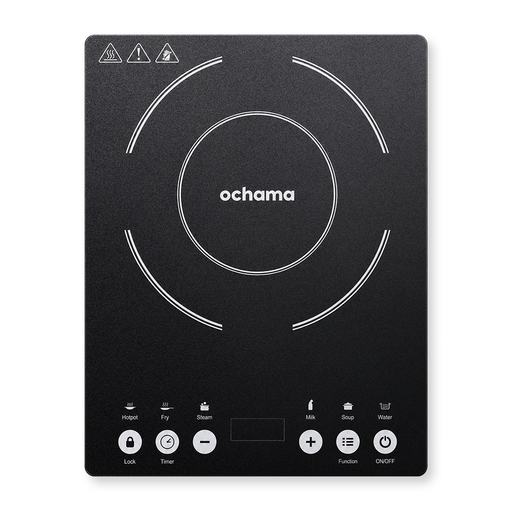
An option for cooking with one pan; the product name lists eight power settings, a temperature setting of 60–270 °C and suitable pans measuring 12–26 cm.
The product name also mentions seven cooking programmes and a 3-hour timer.
 No image available
The product name describes a portable hob for anyone looking for a single cooking zone.
The product name lists 2000 W, ten power settings and six functions.
 No image available
A single-zone option if you’re making polenta in one pan.
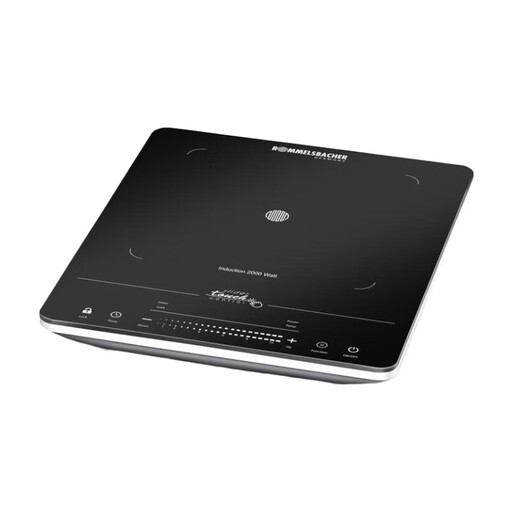
The product name lists 2000 W, ten power settings and a cooking zone of Ø 26 cm.
 No image available
The product name identifies this model as a single-zone induction hob, suitable for cooking with one pan.
 No image available
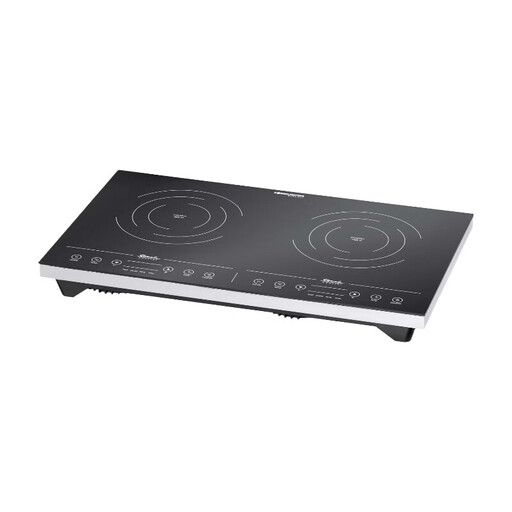
This double hob is designed for anyone who wants to cook polenta and use a second pan at the same time.
The product information specifies induction-compatible pans with a flat magnetic base and a diameter of 120–260 mm.
Only if the base is suitable and magnetisable. Test it with a magnet, then compare its size with the range specified by the hob’s manufacturer.
Brandweer Nederland recommends plugging high-power appliances directly into a wall socket where possible, rather than using a cable reel or extension lead. Also follow the hob’s instructions and consider any other appliances using the same shared connection.
No. A timer doesn’t replace keeping an eye on the hob while cooking. The Fire Service advises staying nearby; the recipe consulted also says to stir the polenta.
Electrical products covered by the Dutch Commodities Act Decree on Electrical Equipment must carry the CE mark. The NVWA (Netherlands Food and Consumer Product Safety Authority) specifies that the relevant directive applies to electrical equipment with a rated AC voltage between 50 V and 1000 V. Check the markings and product documentation for the specific model; a CE mark is not an independent cooking test.
ACM ConsuWijzer states that the 14-day cooling-off period for an online consumer purchase ends 14 days after delivery. You’re also covered by the statutory guarantee if, under normal use, a product doesn’t do what you could reasonably expect; this is separate from any manufacturer’s guarantee.