
Cook with very little worktop space
You usually cook one pan of sauce and want to be able to put the hob away after use. Also measure the clearance the appliance needs while in use: a narrow worktop is not automatically a suitable spot.


If you usually cook just one pan of sauce, a portable single-zone hob is often a better fit for a kitchen with little permanent worktop space. If you want to cook pasta and sauce at the same time, you’ll need two usable zones and enough room for both pans. Decide between a freestanding and a built-in model only after checking the external dimensions, available space, pan bases and connection: having a plug does not remove the need for a suitable cut-out for a built-in hob.
You usually cook one pan of sauce and want to be able to put the hob away after use. Also measure the clearance the appliance needs while in use: a narrow worktop is not automatically a suitable spot.
You want to use two cooking zones, but first check that the hob and both pans will fit side by side. Also bear in mind that the available power may be shared between the zones.
Consider how the hob performs at low settings, how the cooking zone matches the pan base, and whether you need a timer. ETNA explains that some induction hobs briefly switch the power on and off at low settings.
A good fit if: you usually use one saucepan for sauce and want to put the hob away after cooking.
The trade-off: you can’t place a second pan on its own zone at the same time; also check the clearance around the appliance.
A good fit if: you want to cook pasta and sauce at the same time without cutting a hole in the worktop.
The trade-off: the hob takes up more worktop space, and both zones may not be able to run on a high setting at the same time.
A good fit if: you want a permanent two-zone setup and have, or can have, a suitable cut-out made.
The trade-off: as well as the external dimensions, check the required cut-out size and installation instructions.
| What to consider | What should you check? | Who is this important for? |
|---|---|---|
| Space and storage | Measure the area where you cook and check the model’s external dimensions and ventilation clearance in the manual. | If I have little worktop space and want to put the hob away after use, I’ll prioritise the space available; around 31% of consumers say space is their main concern when buying. |
| Using two pans at once | Measure to see if both pans will fit side by side and check the total connected load, not just the maximum for one zone. | If I want to cook pasta and sauce at the same time, both pans must fit on the hob; around 25% of consumers rank using two pans at once as a top priority. |
| Gentle simmering | Check the controls at low settings, the pan base and whether there’s a timer. A timer or extra settings alone don’t guarantee constant heat. | For a sauce that needs to simmer gently, I’ll consider how the hob performs at low settings; around 25% of consumers say controlled simmering is their main concern when buying. |
| Connection and installation | Check the required socket, available installation space and ventilation requirements for the model you choose. | If I first need to check whether the cooking area and connection are suitable, I’ll want to clarify that before choosing; around 19% of consumers prioritise connection and installation. |
A built-in hob also needs a suitable cut-out; a portable hob may need clearance around it.
Check the external dimensions, the cut-out size for a built-in model, and the installation instructions separately.
You may run into installation problems if the worktop needs modifying or the chosen spot isn’t suitable.
With freestanding hobs that have a low connected load, using several zones on a high setting at once may be limited. The Consumentenbond highlights this limitation in the freestanding hobs it has reviewed.
Compare the total connected load with the specifications for both zones and the way you want to cook at the same time.
ETNA explains that some induction hobs briefly switch the power on and off at low settings. This can be noticeable with a lightweight pan containing only a little sauce.
Check the guidance for low settings and use a pan base that suits the cooking zone. Don’t judge a model by the number of settings alone.
In the Netherlands, statutory rights are not automatically limited to two years. ACM ConsuWijzer explains that factors such as what you could reasonably expect from the product are relevant.
Keep your proof of purchase and contact the retailer about any fault that occurs during normal use.
Offers a portable single-zone hob and a freestanding two-zone hob, so you can compare options for different space requirements.
The KI129ZT is a narrow built-in option with two cooking zones.
The KP 1032 is a portable single-zone option to compare for its external dimensions and ease of storage.
The IK-6178 is a portable single-zone option with adjustable power and a timer.
The PIB375FB1E is a two-zone domino built-in hob and an alternative to a portable hob.
This selection includes portable one- and two-zone hobs, as well as narrow built-in models. Before choosing a model, compare the available installation space, pan sizes and connection with your kitchen.
 No image available
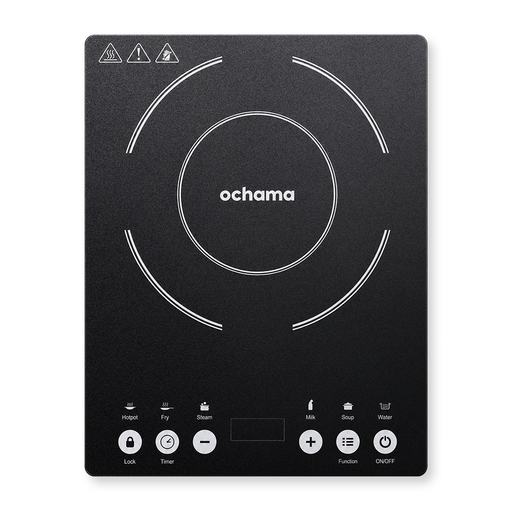
A portable single-zone hob for anyone who wants to heat one pan and put the hob away after use.
2000 W; 8 power settings; temperature range of 60–270 °C; timer up to 3 hours; suitable for pans with a flat, magnetic base measuring 12–26 cm.
 No image available
A portable option for anyone looking for a separate hob for a smaller kitchen.
2000 W; 10 power settings; 6 functions. Use pans that are suitable for induction.
 No image available
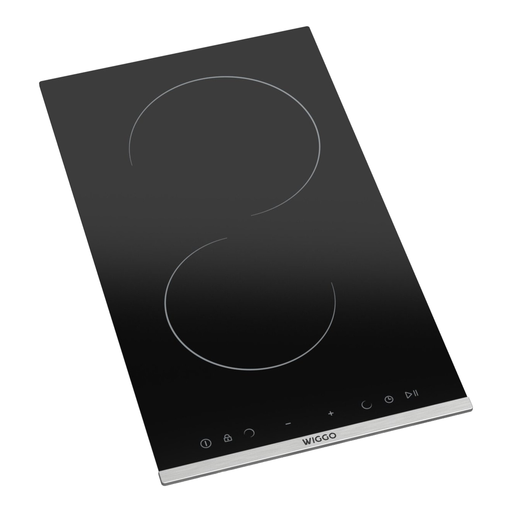
A narrow built-in option with two zones for anyone who wants to use two pans and has a suitable cut-out.
30 cm wide; two cooking zones; 1400 W and 1800 W zones; timers for each zone.
 No image available
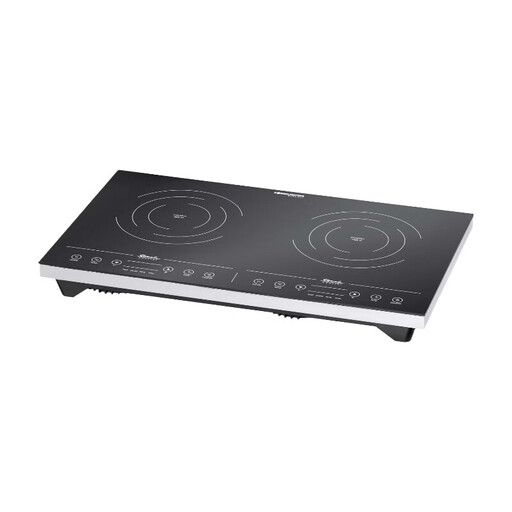
A portable hob with two zones for anyone who wants to cook pasta and sauce at the same time and has room for the hob and both pans.
1400 W and 2000 W zones; 10 power settings; temperature range of 60–240 °C; 180-minute timer; pans up to 230 mm.
 No image available
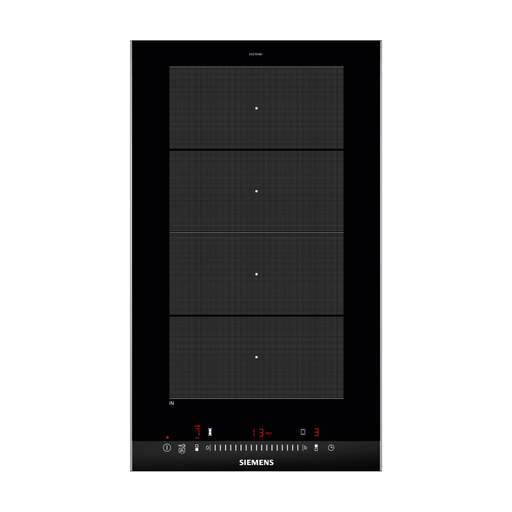
A narrow built-in option with two zones for anyone looking for a permanent setup with suitable installation and worktop space.
30 cm wide; two cooking zones; FlexInduction for cookware up to 24 cm.
Look for the induction symbol or hold a magnet against the base of the pan: it needs to contain a magnetisable layer. Milieu Centraal suggests using a magnet to check; also make sure the base size suits the cooking zone on the model you choose.
No. The spot must meet the installation and ventilation requirements for the specific model. For example, the Inventum KI120T manual requires at least 10 cm of clearance at the sides and back; don’t apply this distance to other models without checking.
Not necessarily: according to the Consumentenbond, with freestanding hobs that have a low connected load, you can’t cook on several zones at a high setting at the same time. Check the connected load and how power is shared between the zones for the specific model.
In the Netherlands, statutory rights apply alongside the manufacturer’s or retailer’s warranty. According to ACM ConsuWijzer, there is no fixed two-year period for these rights; factors including what you could reasonably expect from the product during normal use are taken into account. Discuss any fault with the retailer.
A hob must meet the applicable safety requirements. For electrical equipment covered by the rules for electrical equipment, the Dutch government describes a CE marking and an EU declaration of conformity from the manufacturer. Check the documentation for the exact product; a CE marking alone does not prove that a model has been independently safety tested.