
The cautious lemon curd maker
You want to thicken the egg mixture gently without it curdling. Good Food and Rutger Bakt recommend heating it slowly and stirring continuously as part of the preparation; a bain-marie is another option.


For making lemon curd in a small kitchen, a portable single-zone induction hob is a sensible choice if you use one pan and want to put the hob away afterwards. Choose two zones only if you regularly make use of the extra cooking space. Heat gently and keep stirring; a bain-marie is an alternative if direct heat is difficult to control. A set temperature does not measure the temperature of the lemon curd itself.
You want to thicken the egg mixture gently without it curdling. Good Food and Rutger Bakt recommend heating it slowly and stirring continuously as part of the preparation; a bain-marie is another option.
You’re looking for a cooking zone you can put away after use, but you also need to allow space for the pan and ventilation around the hob while it’s in use. Inventum and IKEA describe models that are portable or easy to store.
You want to check that your small pan is induction-compatible and suitable for the hob you choose before buying any new cookware. The Voedingscentrum explains that the pan base needs a steel layer; the required pan diameter can vary by model.
A good fit if: you usually use one pan and want to put the hob away after cooking.
Trade-off: you use one zone while cooking, and the settings don’t tell you what temperature the curd reaches.
A good fit if: you regularly use a second pan in the same kitchen and have space for it.
Trade-off: two zones need more worktop space; some freestanding hobs have limited capacity for cooking on both zones at a high setting at the same time.
A good fit if: you want to heat the egg mixture gently and indirectly, for example when direct heat is difficult to control.
Trade-off: you’ll need an induction-compatible pan and a heatproof bowl; you’ll still need to keep stirring.
| What to consider | What to look for when buying | Who is this most important for? |
|---|---|---|
| Gentle heating | Compare the controls, but don’t treat the settings as a measurement of the curd’s temperature. Good Food and Rutger Bakt recommend gentle heating and stirring; a bain-marie is an alternative. | If I want to thicken the egg mixture gently, I’m most interested in a method I can control; around 33% of consumers prioritise gentle heating. |
| Worktop space and storage | Measure the space for the hob and pan, including the clearance specified in the model’s manual. For the KI120T, Inventum specifies at least 10 cm at the sides and back. | If my worktop is small, I want to be able to put the hob away after use without overlooking the space it needs while cooking; around 27% of consumers prioritise worktop space and storage. |
| Existing pan | Check that the pan base is suitable for induction and compare the pan size with the specifications for your chosen model. For the KI120T, Inventum specifies a pan diameter of 15–20 cm. | If I want to keep using my small pan, I’ll check the base and make sure the size is suitable before buying anything new; around 20% of consumers prioritise pan compatibility. |
| Power supply and two zones | Check the instructions and connection requirements for the specific model. The Consumentenbond notes that some freestanding hobs can’t run multiple zones at a high setting at the same time. | If I want to use another pan alongside the curd, I need to know whether the hob and power supply are suitable; around 20% of consumers prioritise the power supply and extra cooking capacity. |
A temperature range on a product page describes a hob setting, not a measurement of the lemon curd. Too much heat can make the eggs curdle.
Choose a method you can adjust, heat gently and keep stirring. Consider using a bain-marie if direct heat is difficult to control.
You also need to allow space for the pan and around the appliance. Inventum’s manual specifies at least 10 cm of clearance at the sides and back for the KI120T.
Measure the full space you’ll need while using it and check the placement instructions for the model you’re considering.
Your pan needs to be induction-compatible, and the available power may limit how many zones you can use at the same time.
Check the base of your pan and the connection instructions. If your pan isn’t suitable, you may need different cookware.
The features listed are manufacturer specifications for specific models; they aren’t an independent test of the temperature or the result when making lemon curd.
The KI120T is a single-zone model to compare if you use a smaller pan and are looking for a portable hob.
The single-zone 303010 is worth comparing if you’re looking for a separate cooking zone.
The single-zone IK-6178 is a specific model you can compare for its settings and connection requirements.
The portable TILLREDA 705.931.21 with two zones is worth considering if you regularly use a second pan alongside the curd.
These product picks are portable, single-zone induction hobs for cooking with one pan. Check the product information and relevant safety requirements for the specific appliance. The Netherlands Food and Consumer Product Safety Authority states that products covered by the Commodities Act Decree on Electrical Equipment must carry a CE marking.
 No image available
Worth comparing if you’re looking for one cooking zone and adjustable settings for a small pan.
The product information lists 8 power settings, a temperature setting of 60–270 °C, a timer of up to 3 hours and flat, magnetic pans measuring 12–26 cm.
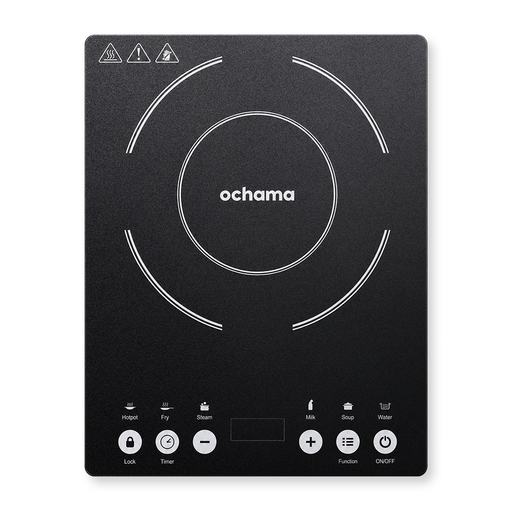 No image available
Worth comparing if you’re looking for a portable single-zone hob with several settings.
The product information lists 10 heat settings, touch controls and six preset functions. Use cookware with a magnetic base and keep the ventilation openings clear.
 No image available
Worth comparing if you want to adjust the settings for one pan while cooking.
The product information lists 10 power settings and a temperature range of 60–240 °C. The cooking zone is specified as Ø 26 cm; a 99-minute timer with automatic shut-off is also listed.
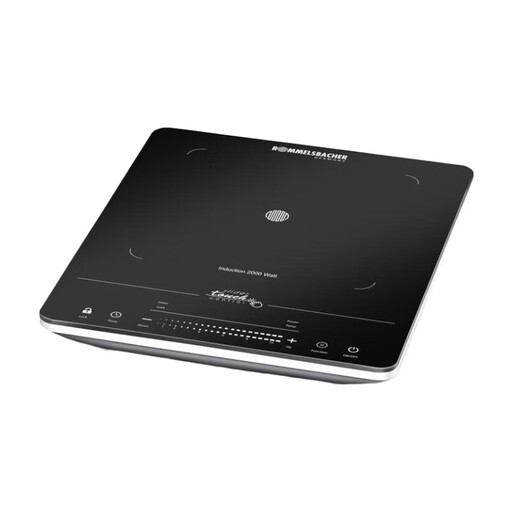 No image available
Worth comparing if you’re looking for a portable single-zone hob and want to use your existing induction pans.
The product information lists 10 power settings and a temperature range of 60–240 °C. According to the product information, heating is only activated when suitable induction cookware is used.
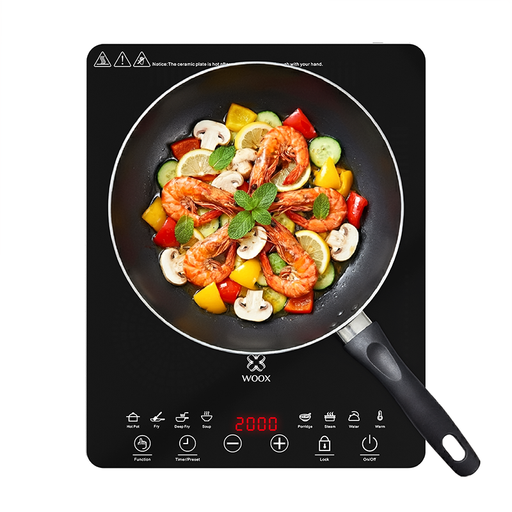 No image available
Worth comparing if you’re looking for a portable single-zone hob with adjustable settings and a timer.
The product information lists 8 adjustable settings and a temperature range of 80–240 °C. Use induction-compatible cookware and keep the air inlet and outlet clear.
No. The settings listed for a model aren’t an independent measurement of the curd’s temperature. Heat gently and stir continuously; a bain-marie is an alternative if direct heat is difficult to control.
It depends on the model, so check the product information and user manual. Inventum specifies an earthed Dutch socket for the KI120T. Brandweer Nederland advises plugging high-power appliances directly into a socket rather than using an extension lead or cable reel.
Follow the cleaning instructions for your chosen model and let the hob cool as directed in the manual. For the TILLREDA, IKEA recommends using a damp cloth with mild detergent, then drying it. The Voedingscentrum recommends keeping perishable foods chilled; its general refrigeration guidance doesn’t specify how long homemade lemon curd can be stored.
Check the information for the specific appliance and whether the relevant product safety rules apply. The Netherlands Food and Consumer Product Safety Authority states that products covered by the Commodities Act Decree on Electrical Equipment must carry a CE marking. If a product is faulty, contact the seller about your statutory guarantee; ACM ConsuWijzer explains what remedies may be available.