Choose an induction hob that fits the flat, magnetic base of your tagine or casserole dish and lets you control the heat for a long, slow simmer. A portable hob may suit you if you use one or two pans and don’t want to install a hob; if you need more cooking space at once, a built-in model may be worth considering, provided your worktop cut-out and electrical connection are suitable. When buying, also check the CE marking and product identification.
Who is this choice relevant to?
Cook with a large casserole dish
You make several portions at once and want to know whether the base of your pan will fit on a suitable cooking zone. IKEA Netherlands and ETNA list models with different zone sizes; compare these with the flat base of your pan.
Cook who likes to simmer gently
You want to be able to adjust the heat during longer cooking, so you look beyond the maximum power. Check the settings and controls for the exact model.
Cook with no kitchen renovation planned
You’re looking for a portable hob or a built-in model that will work with your existing electrical connection. The Consumers’ Association notes that a single-phase hob may have limitations when several zones are used at high settings at the same time.
What should you look for when buying?
Portable hob with one zone
A good fit if: you usually use one suitable pan and want an extra cooking spot that you can put away.
Bear in mind: there’s no second zone for a side dish, and the base of your pan needs to fit the zone. IKEA Netherlands lists the TILLREDA with one 170 mm zone.
Freestanding hob with two zones
A good fit if: you want to cook a side dish alongside your casserole without installing a hob.
Bear in mind: having two zones doesn’t mean you can use both at the highest setting at once; the available connection and combined power also matter. The Consumers’ Association describes this limitation for single-phase hobs.
Built-in hob with multiple or flexible zones
A good fit if: you regularly cook several dishes at once and have a suitable worktop cut-out and connection.
Bear in mind: check the required cut-out dimensions and electrical connection. ETNA recommends a two-phase connection for the KIF360ZT to make full use of the zones’ maximum power.
Measure the flat base of your pan and compare it with the usable cooking zone; the overall width of a hob doesn’t tell you which pans will fit.
| What to consider |
What should you check? |
Who is this most relevant to? |
| Pan and cooking zone |
Measure the flat base of your pan and compare it with the zone or pan dimensions listed for the model. Also check that the base is suitable for induction. |
If I use a large pan to cook several portions, I want to know whether its base will fit on a suitable zone. Around 33% of consumers give pan size top priority. |
| Gentle simmering |
Check the adjustable settings and controls. Treat a simmer function as a model specification, not proof of the result you’ll get with your pan. |
When cooking a casserole for a long time, I want to be able to adjust the heat. Around 27% of consumers prioritise control when simmering. |
| Electrical connection |
Check the plug, connection type, required connection and available circuit, especially if you’ll be using several zones at once. |
If I don’t want to make changes to my kitchen, I need to know in advance whether the hob will work with my connection. Around 27% of consumers give the connection top priority. |
| Space and placement |
Measure the available space; for a built-in model, also check the required cut-out dimensions. A portable hob and a built-in hob require different setups. |
If I have limited worktop space or an existing cut-out, I want to know how much room the hob will take up. Around 13% of consumers prioritise the space it occupies. |
Common buying mistakes
-
Looking only at the overall width of the hob
A wide hob doesn’t automatically have a cooking zone that fits the flat base of your large batch-cooking pan.
Measure the base of your pan and compare it with the usable zones on the exact model.
If the pan doesn’t fit, you may need a different model or another suitable pan.
-
Assuming a single-phase connection provides unlimited power for simultaneous cooking
On a single-phase hob, the available power may be limited when several zones are set to high at once.
Check the connection diagram, the available circuit and the power available when using several zones at the same time.
You may need a different connection or to cook more slowly when using several zones at once.
-
Assuming a listed simmer function guarantees cooking results
A function on the control panel doesn’t confirm how your dish will cook in your pan.
Compare the model’s low heat settings and controls, and distinguish manufacturers’ claims from independent cooking tests.
Brands to consider
These examples highlight features of specific models; they aren’t recommendations for the entire range or an indication of availability.
Inventum
The VKI3020ZWA is a freestanding hob with two cooking zones.
- Inventum lists two 19 cm zones, eight settings and a timer for each zone.
- Check whether the base of a wide batch-cooking pan fits on one zone; the listed features don’t prove how evenly the pan will simmer.
ETNA
The KIF360ZT is a 60 cm built-in hob with four zones.
- ETNA lists an adjustable single- or two-phase connection.
- ETNA recommends two phases to make full use of the zones’ maximum power. Also check that the cut-out and connection are suitable for your kitchen.
IKEA
The TILLREDA 805.901.55 is a portable hob with one cooking zone.
- IKEA lists a 170 mm zone and a connected load of 2000 W.
- With one zone, there’s no second cooking spot alongside your tagine; compare the zone size with the base of your pan.
Philips
The HD5850/90 is a portable, single-zone hob with settings for different types of cooking.
- Philips lists ten heat levels up to 2000 W and a simmer preset.
- These are listed features; they don’t by themselves confirm how well a large pan will simmer.
Bosch
The PXV975DV1E is a wide, 90 cm built-in hob.
- Bosch specifies five zones, including a 32 cm round zone.
- The listed connected load is 11100 W, and a plug isn’t supplied as standard. Check the connection and installation requirements.
Induction hobs at Joybuy
This selection includes portable and built-in induction hobs with one or more cooking zones. Compare the listed pan and zone dimensions with your tagine, and check that the connection is suitable for your kitchen.
 No image available
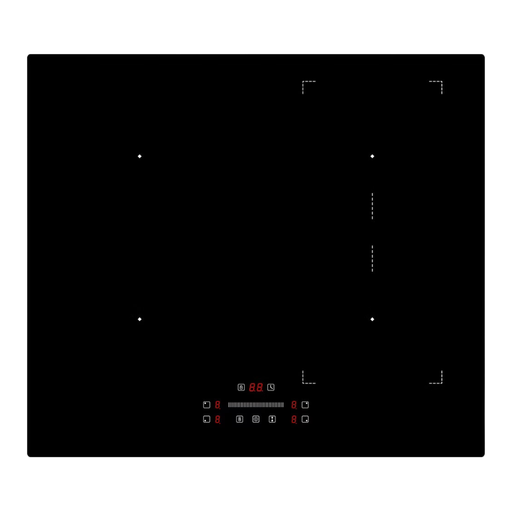
Exquisit EKI624-30
A built-in model to consider if you want to use several pans at once; check that the zones suit your pans and cooking plans.
The product name lists four cooking zones, touch controls and PowerBoost. The product information lists a cable without a plug; check the connection and built-in dimensions.
View at Joybuy
 No image available
Fritel IP 1266
A portable hob to consider if you use one pan at a time and want to be able to adjust the heat while stewing.
The product name lists one cooking zone, 2000 W, a Ø 26 cm zone, ten power levels and a timer. The stated pan size is 12 to 26 cm; check it against the base of your pan.
View at Joybuy
 No image available
Rommelsbacher CT 2002/IN
A portable, single-zone hob to consider if you want a separate cooking spot for a suitable pan.
The stated pan size is 12 to 23 cm, and the base of the pan must be ferromagnetic. Check that this matches the flat base of your tagine.
View at Joybuy
 No image available
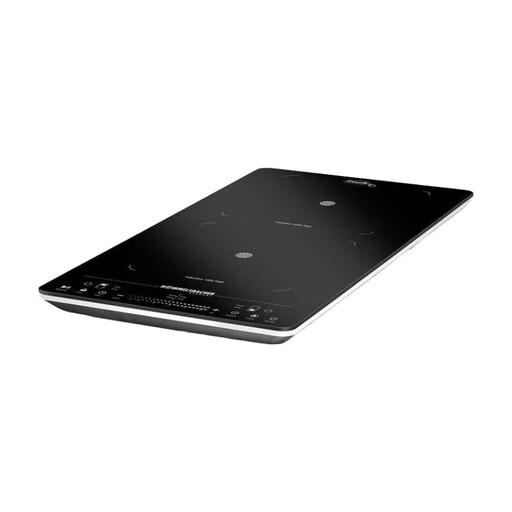
Rommelsbacher CT 3430/IN
A portable hob with two cooking zones to consider if you want an extra cooking spot alongside your casserole.
The product name describes a double hob. The stated pan size is 120–260 mm, and the pan base must be flat and magnetic; check which zone is suitable for your pan.
View at Joybuy
 No image available
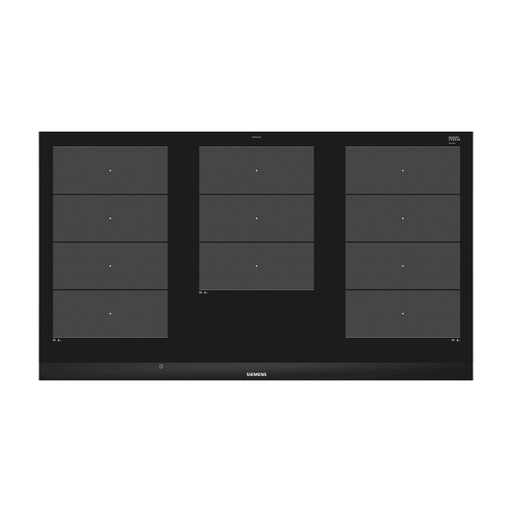
Siemens EX975LXC1E iQ700
A built-in model to consider if your kitchen is suitable for the listed three-phase connection.
The product name lists an induction hob for a three-phase connection. The product information says it must be installed by a qualified electrician; check the connection and installation requirements for your kitchen.
View at Joybuy
Frequently asked questions
Can I use my tagine on an induction hob?
It depends on the base: induction requires a suitable magnetic base. Also measure the flat base and compare it with the cooking zone. The name ‘tagine’ alone doesn’t tell you whether it’s suitable; for example, Le Creuset describes a tagine with a cast-iron base and an earthenware lid.
Can any induction hob be plugged into a standard socket?
No. Some single-phase models have a standard plug, while many built-in hobs need a different connection. Check the connection diagram for the exact model and make sure the right circuit is available before having the hob installed.
Is CE marking compulsory for an electric hob?
CE marking is compulsory for induction hobs covered by the relevant electrical regulations. The Netherlands Food and Consumer Product Safety Authority explains the rules for the product category in question; check the marking and product identification when buying.
How should I store a large batch of cooked chickpea tagine?
According to the Netherlands Nutrition Centre, cool leftovers within two hours and store them in sealed containers in the fridge or freezer. Eat refrigerated leftovers within two days and reheat them thoroughly before eating.
What if the hob breaks down too soon during normal use?
In the Netherlands, statutory guarantees are separate from any manufacturer’s guarantee. If a product doesn’t perform as you could reasonably expect during normal use, the seller is responsible for providing a suitable solution free of charge. According to ACM ConsuWijzer, there isn’t one fixed statutory guarantee period that applies to every hob.


