
Cooking one pan of chutney
You make small batches and want your worktop back after cooking. A suitable single-zone hob with useful low settings fits the bill; the recipe from Uit Paulines Keuken simmers the chutney over a low heat.


For one pan of tomato chutney and a worktop you want to use again after cooking, a portable single-zone hob is the obvious choice. Two zones make sense if you regularly use a second pan at the same time and have enough space and a suitable connection; a built-in hob requires a separate assessment of the installation. Before buying, check that your pan is suitable, how much ventilation space the model needs and whether the appliance on offer carries the required CE marking.
You make small batches and want your worktop back after cooking. A suitable single-zone hob with useful low settings fits the bill; the recipe from Uit Paulines Keuken simmers the chutney over a low heat.
You want to simmer chutney while another pan is on the hob. Make sure there’s room for both pans and bear in mind that they share the available power; the Consumentenbond notes that freestanding hobs can’t necessarily run multiple zones on a high setting at the same time.
You want to know in advance whether your pan base, socket and available space are suitable. Compare the base size with the model’s specifications and check the connection instructions before choosing a hob.
First decide between one pan on a hob you can put away, two cooking zones for simultaneous cooking, or a fixed built-in solution. The recipe calls for gentle simmering and stirring; the maximum power alone won’t tell you how useful the low settings will be with your pan.
Best for: cooking one pan of chutney and putting the hob away afterwards.
Keep in mind: there’s no second zone for cooking another dish at the same time.
Best for: regularly using two pans at once and having enough worktop space.
Keep in mind: both zones take up space and share the available connection power; the Consumentenbond warns that cooking on high settings simultaneously isn’t always possible.
Best for: a permanent cooking area or a kitchen renovation where the connection can be assessed.
Keep in mind: a built-in hob isn’t a straightforward replacement for a freestanding plug-in hob; check the installation requirements for the specific model.
| Factor to consider | What should you check? | Who should pay particular attention? |
|---|---|---|
| Gentle simmering | Compare the model’s adjustable settings. A timer helps you set an end time, but it doesn’t take over the need to check and stir. | I want to adjust the heat while cooking one pan of chutney. Around 29% of consumers prioritise gentle simmering. |
| Worktop and storage space | Measure the space for the hob and leave the ventilation clearance specified in the manual. Two zones need room for both pans. | If I need my worktop back after cooking, storage matters as well as the number of cooking zones. Around 23% of consumers prioritise worktop space. |
| Suitable pan | Check whether the base is magnetic and compare its diameter with the size specified by the manufacturer for the model. | I want to keep using my current pan rather than relying on the maximum power alone. Around 18% of consumers prioritise compatibility with their existing pan. |
| Connection | Read the total connection power and the instructions for your chosen model; also check which other appliances are on the same circuit. | If I want to use my existing connection, I want to know in advance how much power the appliance requires. Around 18% of consumers prioritise the connection. |
| Two pans at once | Compare the size of both cooking zones and the total connection power, not just the power of one zone. | I regularly cook something alongside the chutney and want to know whether both pans will fit and heat at the same time. Around 12% of consumers prioritise using two pans at once. |
A non-magnetic or unusually large pan base can affect pan detection or heating. So, compare both the material and the base diameter with the guidance for your chosen hob.
Test the pan with a magnet and follow the pan-size guidance given by the manufacturer for the model.
On a freestanding hob, the zones share the available connection power. Another high-power appliance on the same circuit can also limit simultaneous use.
Check the hob’s total connection power and instructions, and see which other appliances are on the same circuit.
A timer switches off the cooking zone, but it doesn’t stir. Cooking chutney also doesn’t automatically mean that the contents of a sealed jar can be stored safely without refrigeration.
Keep an eye on the cooking and follow reliable advice on storing and preserving food separately.
TILLREDA is available as a portable model with one or two zones; compare the number of pan positions with the space available on your worktop.
The KI120T is a portable single-zone option if you want to compare its specified pan size and timer.
The freestanding 303010 is a single-zone hob to compare if you’re looking for an extra cooking spot.
The IK-6178 is a freestanding single-zone option to compare with other compact hobs for its controls and pan position.
These products are portable induction hobs for one pan. Before use, check the manual, the required ventilation clearance and the CE marking on the appliance on offer; the Netherlands Food and Consumer Product Safety Authority states that CE marking is compulsory for electrical consumer products.
 No image available
A single-zone hob to compare if you make chutney in one pan and want to be able to adjust the heat.
The product description specifies 10 settings from 60–240 °C and a timer of up to 240 minutes. Only use cookware suitable for induction.
 No image available
A portable single-zone hob to compare if you’re making a pan of chutney and want to free up space afterwards.
The product description specifies 8 settings, a timer of up to 3 hours and cookware with a flat magnetic base measuring 12–26 cm. The stated temperature range is 60–270 °C.
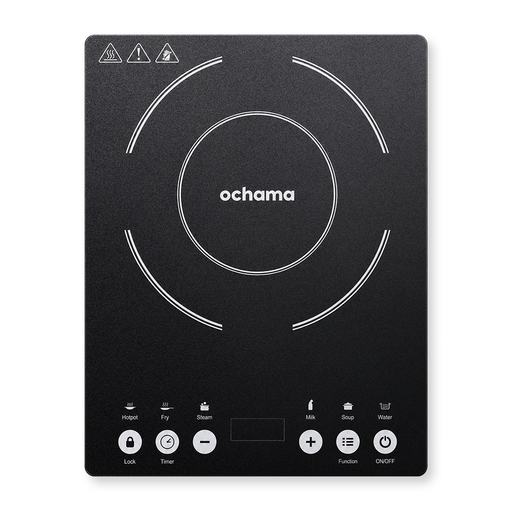 No image available
A portable single-zone hob to compare if you use one pan and want to put the hob away when you’re finished.
The product description specifies 10 heat settings, six functions and touch controls. Only use magnetic cookware, keep the ventilation openings clear and don’t move the appliance while it’s in use.
 No image available
A freestanding single-zone hob to compare if you want to use an existing pan for one pan of chutney.
The product description specifies adjustable power from 200–2000 W, 10 settings, a temperature setting of 60–240 °C and a timer of up to 3 hours. The stated pan diameter is 12–26 cm.
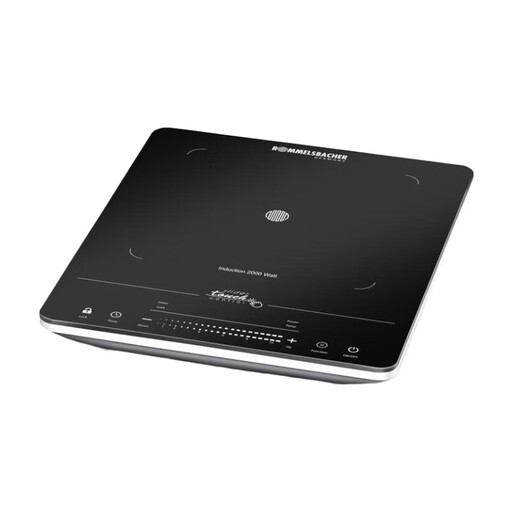 No image available
A portable single-zone hob to compare if you cook chutney in one pan and want to be able to adjust the heat.
The product description specifies 10 power settings, a temperature range of 60–240 °C and a 99-minute timer with automatic shut-off. The hob only heats suitable induction pans.
It depends on the base: check whether it’s magnetic and compare its diameter with the hob’s specifications. According to the Consumentenbond, a base that’s a very different size from the cooking zone can affect pan detection or even heating.
Only if your set-up meets the requirements in the manual for that specific model. The Inventum KI120T manual specifies at least 10 cm of ventilation clearance at the sides and back and warns against using it in small spaces; don’t assume this model-specific guidance applies to other hobs.
Don’t assume that’s possible with a freestanding double-zone hob. The Consumentenbond notes that multiple zones can’t necessarily be used on a high setting at the same time; check the total connection power and settings for the specific model.
CE marking is compulsory for electrical consumer products, according to the Netherlands Food and Consumer Product Safety Authority. Check the marking on the appliance on offer and make sure it applies to the product; on its own, the marking says nothing about cooking performance.
No, cooking alone doesn’t confirm that chutney is safe to keep without refrigeration. The Voedingscentrum advises against home-canning vegetables because of the risk of botulism; the recipe consulted from Uit Paulines Keuken recommends storing it in the fridge. Follow reliable advice on storing leftovers.