
Vandaag of morgen in huis

Kwaliteit gegarandeerd

Welkomstaanbiedingen ontgrendelen: GRATIS bezorging | Tot 80% korting | Gratis 30 dagen JoyPlus-proefperiode
Download de app
Buying an induction hob seems straightforward, until you have to choose between a built-in induction hob and a portable one, two or four cooking zones, and features such as PowerBoost, a flex zone or Wi-Fi. Marketing copy often focuses on speed and smart controls, while important details can be less clearly stated.
The right choice mainly depends on your kitchen space, electrical connection, cooking habits and the type of pans you use. Read on to find out what to look for and which models suit different needs.
An induction hob described as 60 cm isn’t always exactly 60 cm wide. The overall dimensions, cut-out size and installation depth can vary. Before you buy, check:
A model such as the AEG TI64IB1BIZ is 60 cm wide and designed for built-in or flush installation. Always compare the specified cut-out dimensions and connection requirements with those of your existing kitchen.
A high connection rating may sound appealing, but your consumer unit and cooker circuit need to be able to handle the power. Some hobs run on a single phase, while others use a two- or three-phase connection. A hob with several zones may also distribute the available power between them when you’re cooking on multiple zones at once.
A feature such as PowerBoost temporarily increases the power of a zone. According to the product descriptions from various brands, this is designed to bring water to the boil more quickly, for example. It doesn’t automatically mean that all zones can run at maximum power at the same time.
Have a fixed hob connected in accordance with the installation instructions, by a qualified installer where required. Also check whether a supplied cable without a plug needs to be connected directly.
An induction hob with a flex zone can combine certain cooking zones to accommodate a larger pan, griddle or roasting tin. The available space varies by model, however. For example, the Siemens EX675HEC1E is described as having a flexible zone for cookware up to 24 cm in diameter, and a larger grill or roasting tin up to 40 cm long.
So don’t just check whether the packaging says “flexInduction” or “CombiZone”. Also check:
An induction hob with 2 zones may be enough for one person, a student room or a small holiday home. A compact 30 cm model takes up little worktop space. The Wiggo WH-E312G(B) has two zones rated at 1,400 and 1,800 watts and is designed for built-in installation.
An induction hob with 4 zones is a better fit for a household that uses several pans at once. A standard 60 cm induction hob usually has room for four pans. If you often use large saucepans, a roasting tin or several large frying pans, consider an 80cm induction hob with a flex zone.
Touch controls are easy to clean, but may be less responsive if the control panel is wet or greasy. A timer with automatic switch-off is useful for pasta, rice or dishes that need to simmer. Check whether the timer can be set for each zone or works only as a general kitchen timer.
An induction hob with a child lock prevents settings from being changed accidentally. It doesn’t replace supervision: the glass surface and pans may still be hot after cooking.
Induction works only with suitable magnetic cookware. Test a pan by holding a magnet against its base. A flat base will usually make better contact with the cooking zone. Aluminium or ceramic pans without a magnetic base won’t heat up, or won’t heat sufficiently.
A glass-ceramic surface is smooth and relatively easy to clean, but it can be damaged by careless use. Don’t use abrasive cleaners, and don’t place heavy pans on the hob with a hard impact.
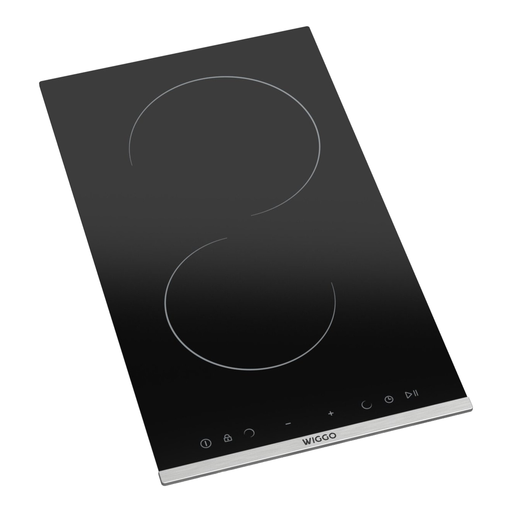
Why it suits this need: This compact hob has two cooking zones, making it a good fit for smaller kitchens and households that usually cook with one or two pans.
The dimensions, number of zones and power ratings of 1,400 and 1,800 watts are clearly stated. Make sure you check the cut-out dimensions and have the hob installed in accordance with the instructions.
Two zones, a timer and a boost function in a 30 cm format.
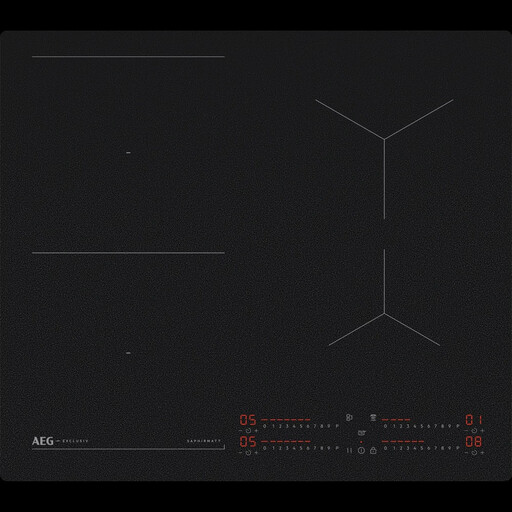
Why it suits this need: This built-in hob combines four zones with timer functions, PowerBoost and a sensor feature, so you need to make fewer manual adjustments while cooking.
The specifications list four zones, nine power levels, a timer and a child lock. The claimed SenseBoil function is a manufacturer feature; check the manual for details of how it works.
60 cm, four zones, PowerBoost, timer and connectable zones.
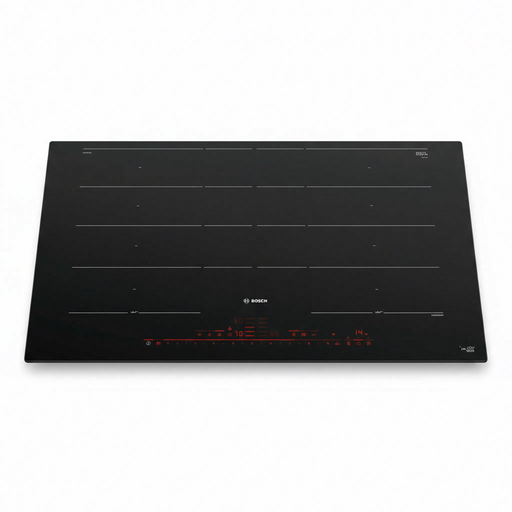
Why it suits this need: This wide hob is designed for households that use large pans, several cooking zones and flexible pan placement.
The product information specifies an 80 cm hob and automatic detection of pan position and size. Check in advance that your worktop and cooker circuit are suitable.
FlexInduction, a PerfectFry sensor according to the manufacturer, and PowerBoost.
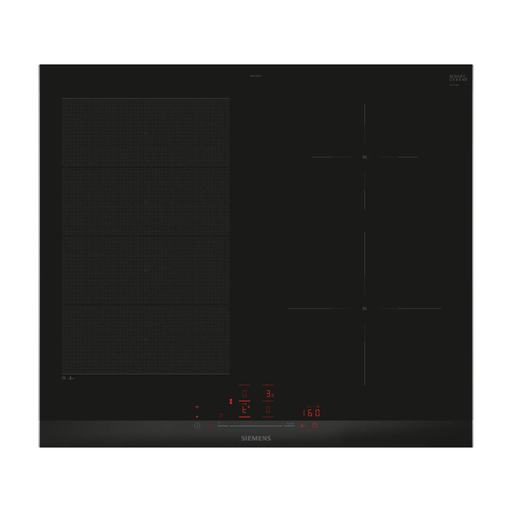
Why it suits this need: If app control and flexible cooking zones matter to you, this model offers features such as Home Connect and touchSlider.
The product description clearly specifies the flex zone, pan detection and Home Connect. Remote control requires a Wi-Fi network, an app and a compatible set-up.
Home Connect, flexInduction, touchSlider and fryingSensor Pro according to the manufacturer.
We’ve put together a complete, up-to-date list of products that meet these strict selection criteria and the applicable European safety regulations.
A portable induction hob is useful as an extra cooking zone, in a student room, at the office or in a holiday home. Single-zone models often have a power rating of around 2,000 watts, a timer and automatic switch-off. The Fritel IP 1266, for example, has a cooking zone with a maximum diameter of 26 cm, ten power levels and a timer of up to three hours.
A portable model should be placed on a flat, heat-resistant surface. Don’t block the ventilation openings or move the appliance while it’s in use. For everyday cooking with several pans, a fixed built-in hob offers more space and stability.
Induction heats the pan directly, rather than first bringing a large hob surface up to temperature. Actual energy use depends on cooking time, power, pan size and how you use PowerBoost. So don’t compare maximum wattage alone; consider your everyday cooking habits too.
Its lifespan depends on use, installation, maintenance and the quality of the glass surface and electronics. Keep the control panel dry, use suitable pans and avoid knocks. If the glass cracks, switch off the appliance and stop using it.
A portable model will usually work with a suitable plug and socket. A built-in induction hob may require a fixed connection, a dedicated cooker circuit or multiple phases. Check the manual and have the connection carried out by a qualified installer if the manufacturer or local regulations require it.
