
Vandaag of morgen in huis

Kwaliteit gegarandeerd

Welkomstaanbiedingen ontgrendelen: GRATIS bezorging | Tot 80% korting | Gratis 30 dagen JoyPlus-proefperiode
Download de app
An induction hob can be a convenient solution for a small kitchen, student room, flat or as an additional cooking zone. However, not every model is suitable for every situation. For example, a portable 2000W induction hob requires a different approach from a built-in hob with four zones.
The main pitfalls are often not related to appearance, but to the connection, suitable cookware and available space. Use the checks below to compare models based on practical features rather than marketing claims.
A higher wattage may sound appealing, but the total power must be compatible with your home's electrical connection. A portable model with 2000W will generally work from a standard socket, while a 4-zone induction hob may have a connected load of 6900W or 7200W, for example.
Therefore, check:
A built-in model without a suitable connection may result in additional installation costs. With a freestanding induction hob, the connection is usually simpler, but the socket must still be able to handle the load.
Induction only heats cookware with a magnetic base. Aluminium, copper and ceramic pans do not work automatically. Hold a magnet against the bottom of the pan: if it sticks firmly, the pan will usually be suitable.
Also pay attention to the diameter. A model may be suitable for pans measuring 12 to 26 cm, for example, but a very small pan will not always be detected by every cooking zone. A flat base also ensures better heat transfer.
Features such as automatic pan detection, overheating protection, residual heat indicators and a child lock reduce the risk of incorrect use. However, the glass surface and pan will remain hot. Therefore, do not leave an electric or induction hob switched on unattended, particularly when using oil or fat.
For one pan or as an additional cooking area, an induction hob with 1 zone is often sufficient. A portable model takes up little space and can be stored away after use.
An induction hob with 2 zones offers more flexibility, for example for cooking pasta and sauce at the same time. However, check whether both zones can be used simultaneously and how the power is distributed.
For a household that regularly uses several pans, an induction hob with 4 zones is a better choice. A standard width is around 60 cm. Larger 80 cm models provide more space, but also require a larger worktop and a suitably sized cut-out.
A model with touch controls and multiple power levels is practical when you want to switch quickly between gentle heating and cooking at a higher setting. A dial can be preferable if you value direct, step-by-step control.
In addition to the number of settings, look for:
An induction hob with a timer is useful for rice, soup or slow-cooked dishes. The timer is no substitute for supervision, but it can prevent a zone from continuing to heat unnecessarily.
With induction, the pan is heated directly by a magnetic field. The glass surface itself can still become hot from residual heat, but there is usually less heat loss around the pan.
A ceramic hob uses heating elements beneath the glass surface. As a result, the surface heats up visibly and gradually and remains hot for longer after being switched off. A conventional electric hob with a metal plate is often simple and affordable, but generally responds less quickly.
For energy-efficient cooking, cooking time, pan size, using a lid and the selected power level are at least as important as the technology itself. Using a suitably sized pan and avoiding unnecessary preheating will help you save energy.

Why it suits this profile: This portable model combines power of up to 2000W with 8 power levels, 7 programmes and a timer of up to 3 hours. This makes it easy to use for everyday cooking in a smaller kitchen.
The product information states that it is suitable for pans measuring 12–26 cm and includes automatic pan detection and a child lock. Before buying, check that your own pans fall within this range.
2000W power, 60–270°C adjustment range, timer of up to 3 hours and a smooth glass surface.
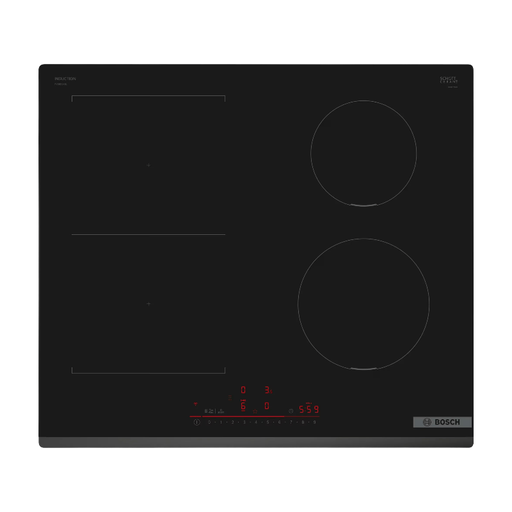
Why it suits this profile: If you are looking for a fixed cooking set-up with four zones, this model offers a width of around 60 cm, touch controls and a stated connected load of 6900W.
The specifications list four zones and a single-phase connection. Before buying, have a professional check that the installation and available power are suitable for your kitchen.
4 cooking zones, ceramic glass surface, touch controls and a stated power rating of 6900W.
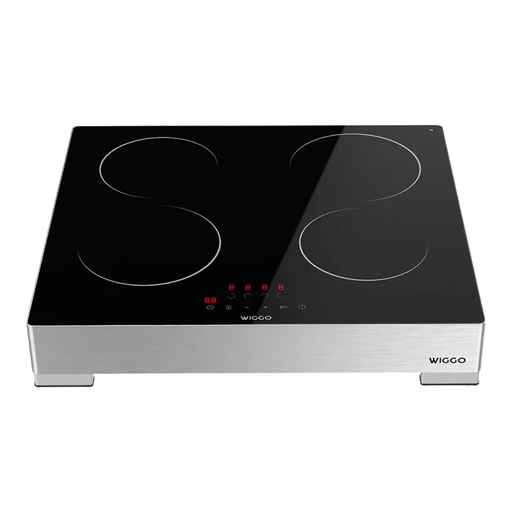
Why it suits this profile: This 60 cm-wide freestanding model has 4 cooking zones, 9 levels plus boost and a stated total power of 7200W. It is suitable for households that use several pans at the same time.
The product description states that it has an EU plug and a single-phase connection. Nevertheless, check the manual and electrical circuit before running all zones at the same time.
4 zones, timer for each zone, child lock, overheating and voltage protection.
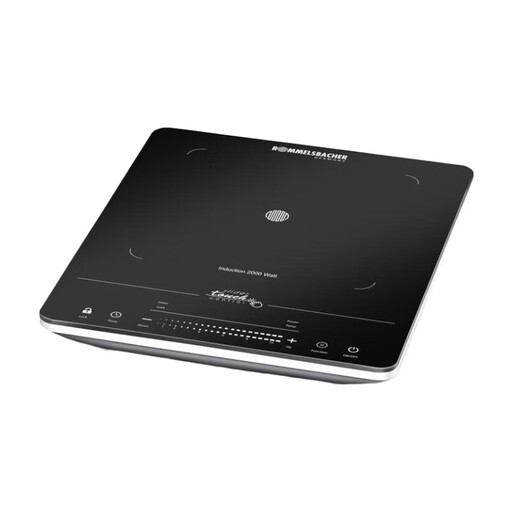
Why it suits this profile: This single induction zone is designed for small kitchens, offices, student rooms or use as an additional cooking area. Its stated 2000W power and 10 power levels allow for a variety of cooking tasks.
The product information states that it has automatic pan detection, a timer of up to 99 minutes and a heat-resistant glass-ceramic surface. Check beforehand that your pans are magnetic.
2000W, touch controls, temperature adjustment from 60–240°C and automatic switch-off via the timer.
We have put together a complete, up-to-date list of products that fully meet these strict selection criteria and the applicable European safety regulations.
No. The pan must have a magnetic, flat base. Check this with a magnet or look for the induction symbol on the packaging. Also pay attention to the minimum and maximum pan diameters listed in the product specifications.
That depends on the power, cooking time, energy price and your cooking habits. Induction can deliver heat to the pan more directly, while a ceramic hob first heats the heating element and glass surface. Use suitably sized pans, a lid and no more power than necessary for energy-efficient cooking.
Its lifespan depends on use, maintenance and installation. Place a portable model on a flat, dry surface, keep the ventilation openings clear and only clean the hob once it has cooled down. Stop using a hob with a cracked glass surface and have built-in models connected in accordance with the manual.
