
Vandaag of morgen in huis

Kwaliteit gegarandeerd

Welkomstaanbiedingen ontgrendelen: GRATIS bezorging | Tot 80% korting | Gratis 30 dagen JoyPlus-proefperiode
Download de app
A new induction hob may seem easy to choose at first. However, many people end up with the wrong model because the cut-out is the wrong size, the electrical connection cannot handle the load, or the hob has features they rarely use. Terms such as “flex zone”, “PowerBoost” and “smart cooking” only tell you so much until you know how they suit your pans and cooking habits.
This guide will help you compare models objectively. You’ll find key things to consider when choosing a built-in induction hob, a portable induction hob, a 60 or 80 cm induction hob, or a compact model with two cooking zones.
A 60 cm hob won’t necessarily fit every kitchen. Always check the worktop cut-out, installation height and required ventilation space. A model may be 60 cm wide externally but have a different cut-out size from your current hob.
This is even more important with an 80 cm induction hob. Some models need a wider cut-out and a multi-phase connection. If you’re unsure, ask a qualified installer to check the installation.
A specification of, for example, 7.4 kW indicates the maximum connected load. It doesn’t always mean that all zones can run at their highest setting at the same time. A load management function may limit the total power, depending on the electrical connection in your home.
For a student room or small kitchen, a portable 2,000 W model may be more practical. For a family kitchen with four or five zones, check the electrical circuit, the number of phases and the installation requirements.
According to the product description, an induction hob with a flex zone detects certain pans and can combine several heating areas. This is particularly useful for a roasting tin, griddle or long pan. You may not get the full benefit if you mainly use small pans that don’t sit properly within the marked area.
Also check that your pans have a flat, magnetic base. Aluminium or ceramic pans without a magnetic layer won’t work, or won’t work properly, on induction. A simple magnet test on the underside of the pan can help you check in advance.
Don’t just look at the number of zones; check their diameter too. A large pan on a small zone may not heat evenly. With a flex zone, check the maximum pan length or diameter specified by the manufacturer.
According to the product specifications, an induction hob with PowerBoost can temporarily use extra power. This can be useful for boiling water or heating a pan quickly. Make sure your electrical connection can support it.
A single-phase model may be suitable for a connection up to a certain power rating, while larger models may need a two- or three-phase connection. Always make sure the connection rating is compatible with your consumer unit, and follow the installation instructions.
An induction hob with touch controls has a smooth surface that’s easy to clean, but the control panel needs to stay dry. An induction hob with a timer may switch off a zone after the set time or give you a signal. Check which functions are actually included, as “timer” can mean different things on different models.
Useful safety features include:
These features don’t replace supervision. Never leave hot oil or pans unattended. If the ceramic glass cracks, switch off the hob immediately and stop using it.
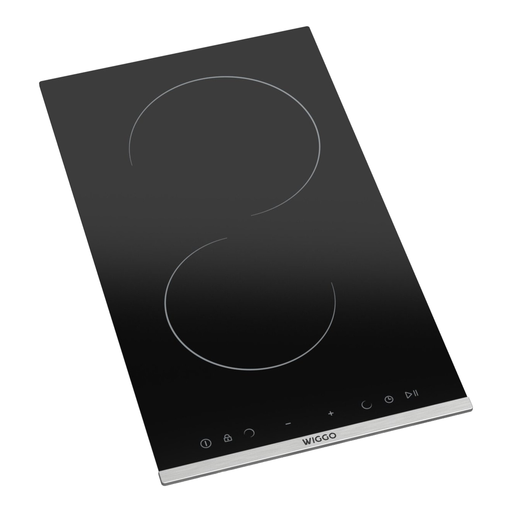
Why it suits this type of buyer: A compact two-zone induction hob for small kitchens, studio flats or households that usually cook with one or two pans.
Its 30 cm external width makes it clear where this hob is suitable. Be sure to check the cut-out size before buying, and have the built-in hob connected in accordance with the requirements.
Two cooking zones, touch controls, timer and boost function according to the product description, plus child lock and overheating protection.
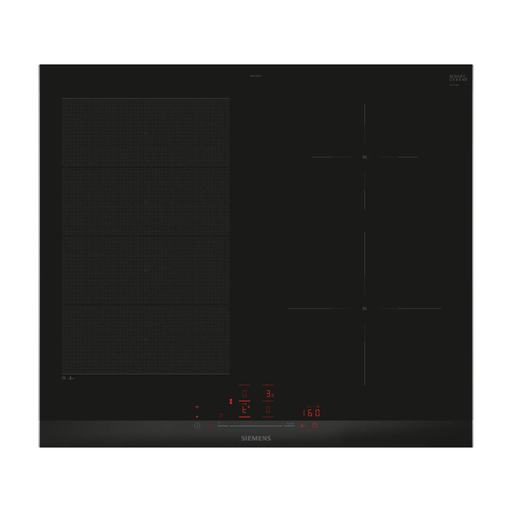
Why it suits this type of buyer: For anyone looking for a built-in induction hob around 60 cm wide, with flexible controls and additional smart features.
The stated flex zone is designed for larger cookware. Check the cut-out size and whether Home Connect suits your network and how you plan to use it before paying extra for smart controls.
Four zones, flexInduction, touchSlider and fryingSensor Pro according to the product information; Home Connect is also listed.
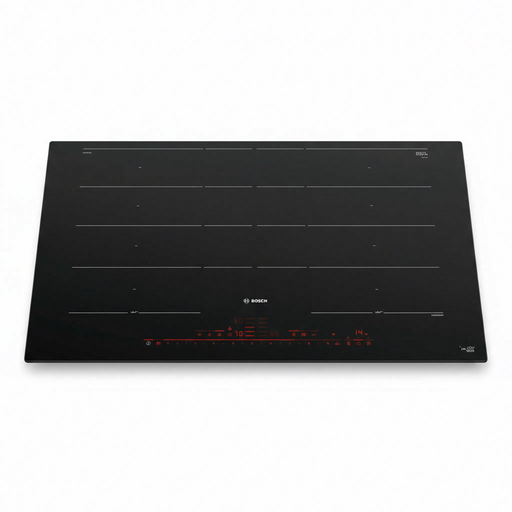
Why it suits this type of buyer: A wide hob for households that use large pans, a variety of cookware sizes or a long pan.
The wide FlexInduction zone is designed for large cookware, but it needs plenty of worktop space and a suitable electrical connection. Check both before buying.
80 cm wide, with automatic detection of pan position and size according to the product description, plus PowerBoost and PerfectFry with five settings.

Why it suits this type of buyer: A portable hob for students, small homes, holiday homes or as an extra zone alongside your main hob.
The specifications list one cooking zone and 2,000 W, making it clear from the outset that this isn’t a replacement for a four-zone built-in model.
XL zone up to 26 cm, ten power settings, temperature settings from 60 to 240 °C, timer up to three hours and automatic shut-off according to the product details.
We’ve put together a complete, up-to-date list of products that meet these strict selection criteria and the applicable European safety requirements.
No. The pan needs a flat, magnetic base. Hold a magnet against the underside: if it sticks, the pan is usually suitable. If you’re unsure, check the instructions for your pan and hob.
The cost depends on the power, how long you use it and your electricity tariff. At maximum power, a portable 2,000 W model uses more electricity per hour than a zone on a lower setting. Use the PowerBoost function only when you need to heat something quickly, then switch to a suitable lower setting.
For a built-in model, you need to check the cut-out size, ventilation and electrical connection. Models with a higher connected load may require a two- or three-phase connection. Have the connection installed or checked by a qualified electrician, and always follow the installation instructions for your chosen model.
